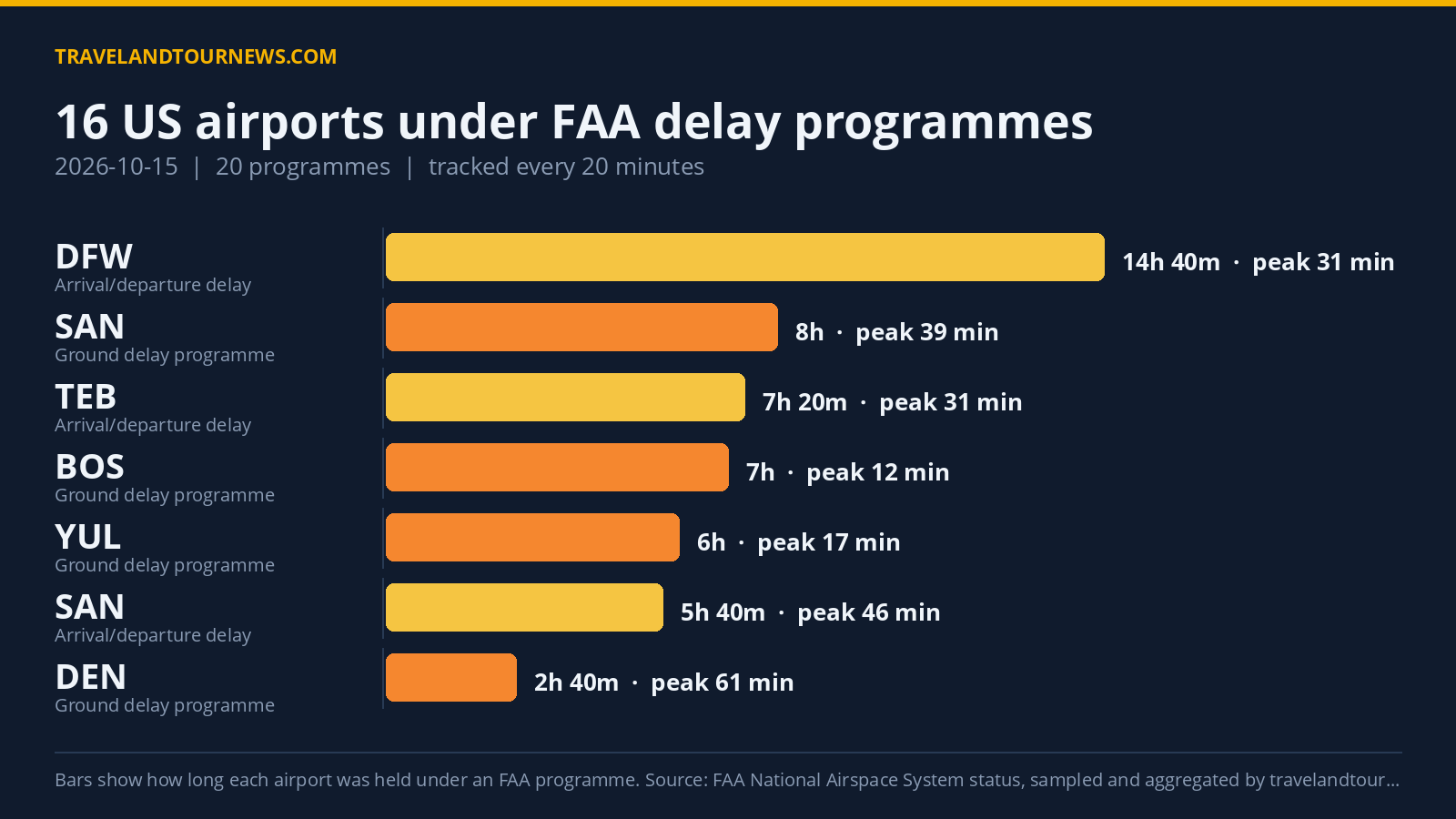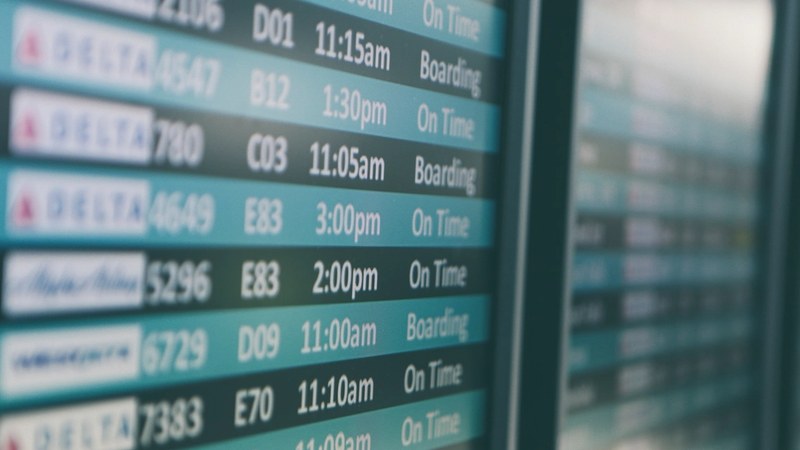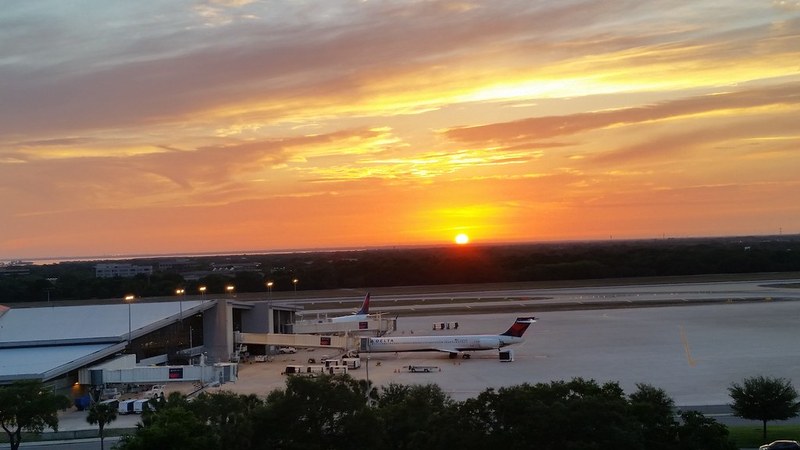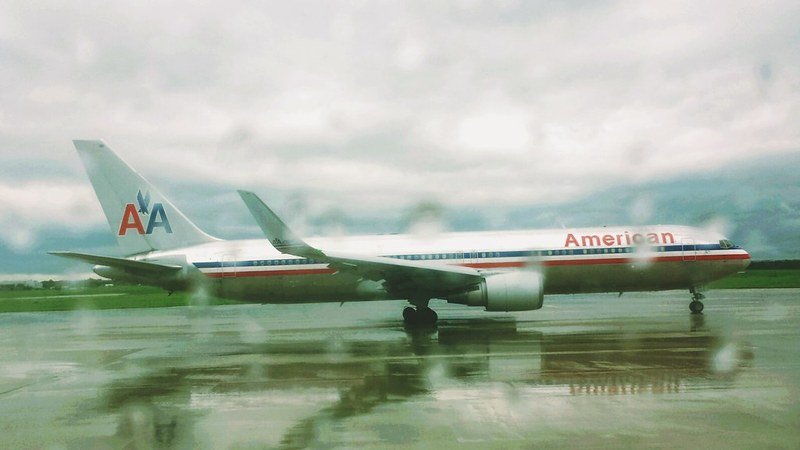
On August 10, 2026, Chicago O’Hare International Airport recorded the highest number of flight disruptions in the United States, with at least 87 delayed flights and 48 cancellations. Nationwide, the Federal Aviation Administration (FAA) reported over 2,036 delayed flights and 263 cancellations for the same day, marking a continued impact on U.S. air travel following severe weather.
FAA Ground Stops Trigger Wide Disruptions
FAA imposed ground stops on Sunday, August 9, 2026, at five major airports: Chicago O’Hare, Chicago Midway, Denver International, Las Vegas International, and Tampa International due to intense thunderstorms and convective weather across the Midwest and other regions. The initial ground stop at
O’Hare lasted more than three hours, roughly from noon until 3 p.m., causing average delays of nearly 100 minutes afterward. That day, O’Hare experienced 148 canceled departures and 124 canceled arrivals stemming from the weather event.
The repercussions extended into Monday, with United Airlines reporting 163 delays and 33 cancellations at O’Hare alone. Earlier in the week, on August 7 and 8, severe weather and FAA ground stops centered around the New York metropolitan area, particularly at John F. Kennedy International Airport, led to almost 2,000 cancellations nationwide.
Passenger Impact and Airline Response
Both American Airlines and United Airlines activated flexible rebooking policies for travelers
through Chicago O’Hare on Sunday, allowing changes without penalty due to the disruption. Passengers were advised to rebook quickly if their flights were canceled and to prepare essentials in carry-on luggage when facing overnight delays or cancellations. Airlines and authorities encouraged travelers to stay updated via notifications for gate changes and delays and to allocate additional time for connections at congested airports.
FAA Ground Stops as Traffic Management Tool
The FAA categorizes ground stops as its most stringent traffic management action, used to hold departing planes at origin airports to prevent saturation and congestion at destination airports during severe weather. The National Business Aviation Association notes that
this strategy prevents aircraft from circling congested or storm-affected areas by keeping them parked at feeder airports. However, the operational challenge intensifies when airports already operate near full capacity, causing delayed flights to wait hours for departure or landing clearance.
Summer Flight Volumes and Weather Impact
Flight-tracking data from July 2026 indicated a global peak of 153,359 commercial flights in 24 hours, underscoring high demand during the summer travel season. The FAA records that severe weather contributes to roughly 74.26% of all U.S. flight delays exceeding 15 minutes, making it the dominant factor in nationwide flight disruptions. Additionally, extreme heat affects airports like Las Vegas International,
where increased days above 110°F require airlines to adjust departures, further stressing the system.
Passenger Rights Amid Weather Delays
U.S. Department of Transportation regulations finalized in 2024 mandate airlines to issue automatic cash refunds within seven business days for domestic flight delays surpassing three hours if a passenger declines rebooking. However, these rules exclude reimbursement for hotels or meals when delays are classified as weather-related, reserving those protections for controllable delays such as staffing or mechanical issues. Passengers impacted by O’Hare’s recent delays are entitled to these refund protections under the federal policy.