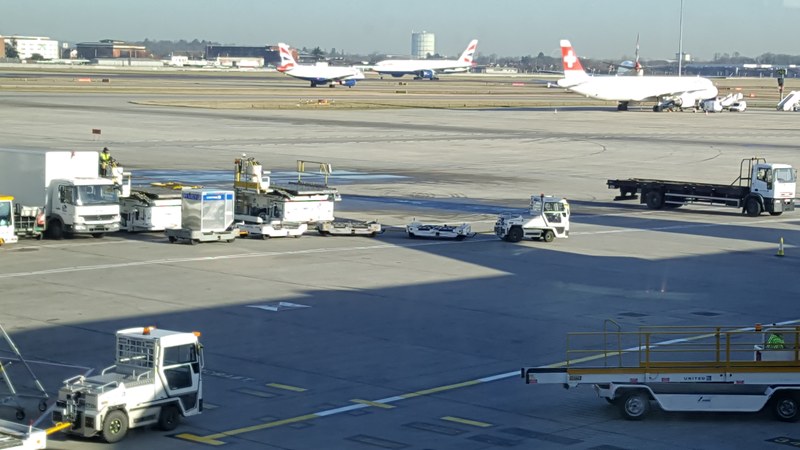
Chicago O’Hare International Airport experienced 1,055 flight delays and 175 cancellations on September 17, 2026, with the Federal Aviation Administration (FAA) reporting average ground delays lasting 126 minutes. The disruptions were caused by thunderstorm activity moving through the Chicago region, triggering FAA ground delay programs to maintain safe aircraft spacing.
Airline Impact and Nationwide Delay Figures
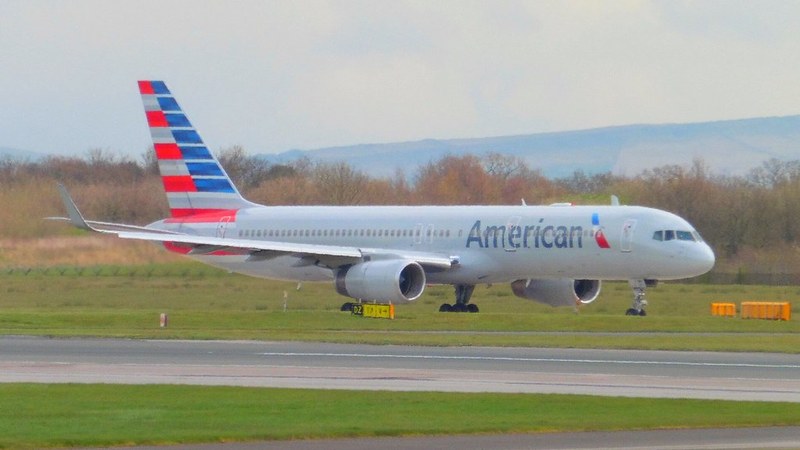
United Airlines and American Airlines, which both operate major hubs at O’Hare, faced significant operational disruptions on September 17. Southwest Airlines reported 893 delayed flights nationwide on the same day, largely attributed to its Chicago-area operations impacted by the storm. Regional carriers SkyWest Airlines, Republic Airways, and Envoy Air also
registered delays linked to conditions affecting O’Hare.
Comparison to Previous Disruptions at O’Hare in 2026
Yesterday’s total of 1,055 delays and 175 cancellations represents approximately three to four times the delay volume compared to earlier disruption events at O’Hare this year. In July 2026, the airport recorded 326 delays and 18 cancellations, while in mid-June 2026, 257 delays and 7 cancellations were documented. The September 17 figures thus significantly exceed prior notable disruptions.
Meteorological and Operational Causes
O’Hare’s location subjects it to weather systems originating from Canada, the Gulf of Mexico, and Lake Michigan’s lake-effect phenomena. These factors increase the airport’s exposure to unstable storm cells that require FAA-imposed traffic management restrictions.
During active thunderstorms, the FAA reduces the number of aircraft movements per hour to ensure safety, which compounded delays given O’Hare’s high density of scheduled flights and connection-dependent operations.
Passenger Impact and Travel Rights
Passengers affected by the 175 cancellations on September 17 are entitled to full refunds to their original payment methods if they decline rebooking offers. Prolonged ground delays triggered by the thunderstorms led to missed connections, overnight rebookings, and extended wait times at gate areas as airline staff processed disrupted itineraries. Additionally, domestic passengers whose flights were held on the tarmac for over three hours retained the right to deplane, subject to
limited safety exceptions.
Travelers transiting through O’Hare are advised to anticipate residual delays after the storm event due to aircraft and crew position imbalances remaining into the following day. A buffer for connections and preferential scheduling of morning departures may mitigate the impact of ongoing recovery operations.
Regulatory Context and Compensation
Thunderstorm-related ground delays are classified as beyond airline control, limiting eligibility for standard Department of Transportation (DOT) delay compensation typically offered for controllable delays exceeding three hours. The DOT’s refund regulations ensure that passengers hold the right to receive full refunds for flights cancelled by airlines without being required to accept vouchers or
future travel credits.