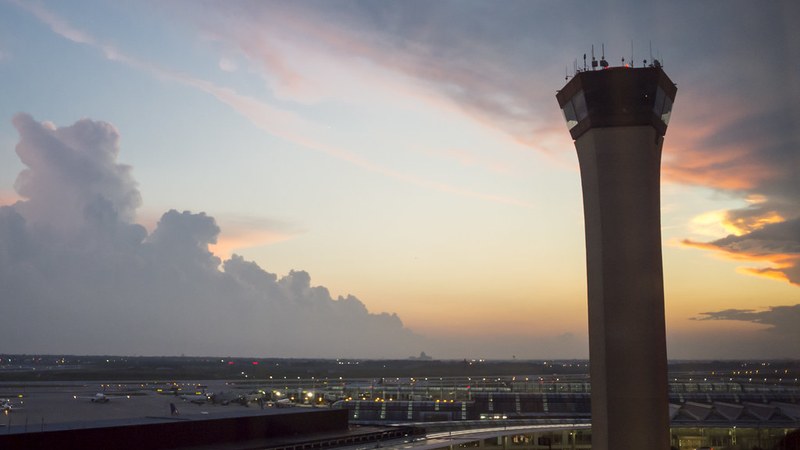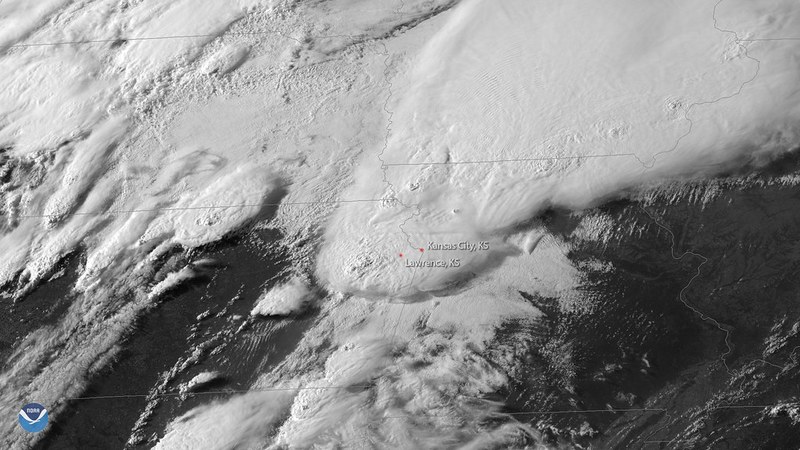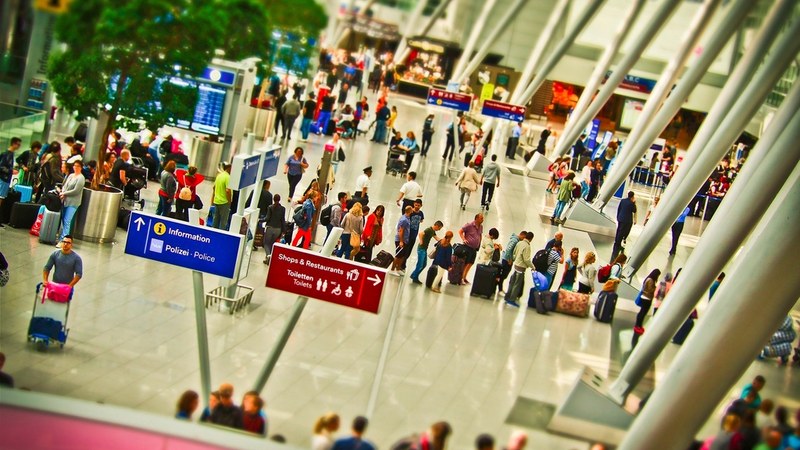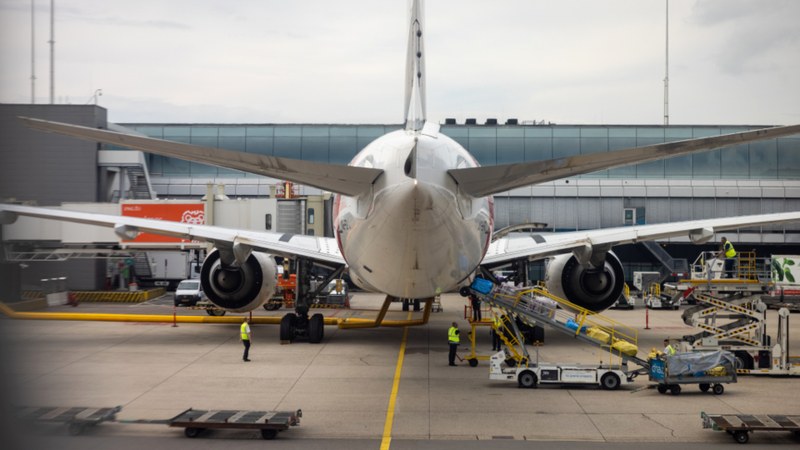
Smoke from 836 active wildfires in Canada blanketed the U.S. Midwest and Northeast on July 15, 2026, exposing nearly 100 million Americans to harmful air quality and disrupting flights across major airports. Detroit Metropolitan Wayne County, Chicago O’Hare, Buffalo Niagara International, and Toronto Pearson International airports experienced significant delays due to wildfire smoke interference with aircraft navigation systems.
Flight Disruptions Across Great Lakes and Northeast
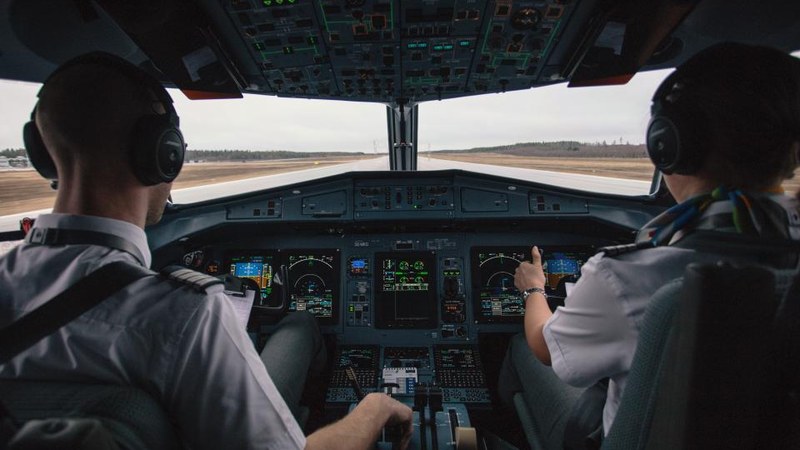
The Federal Aviation Administration confirmed that smoke particles, particularly PM2.5 fine particulate matter from Canadian wildfires, impair instrument landing systems more than rain or fog. This forced air traffic controllers to increase spacing between arriving and departing aircraft and restrict some flights
based on navigation equipment capabilities. The Weather Company’s Richard Adams noted that thick smoke reduces airport visibility, lowering the rate of takeoffs and landings across affected hubs.
Flights departing or arriving at Detroit, Chicago O’Hare, Buffalo Niagara International, Toronto Pearson, and regional airports throughout Michigan, Minnesota, Wisconsin, New York State, and southern Ontario faced delays. Air traffic control protocols for safety caused cascading impacts, with delays in one hub affecting subsequent flights along routes including the Great Lakes and I-95 corridor from New York City to Boston.
Toronto and Surrounding Areas Cancel Major Events
The City of Toronto canceled FIFA World Cup semi-final activities, including the Fan
Festival at Fort York and The Bentway, as well as the public match viewing at Nathan Phillips Square scheduled for 3 p.m. ET between England and Argentina. Refund information was promised to premium ticket holders. The City of Vaughan also scrapped its Canada Celebrates FIFA event at Assembly Park, while the University of Toronto canceled its watch party. Niagara Falls suspended nightly fireworks, and Kitchener’s Downtown BIA canceled outdoor World Cup screenings without indoor alternatives.
Toronto authorities cited sustained high smoke concentrations that posed health risks to attendees and emergency personnel as the rationale for cancellations. The city also closed
outdoor wading pools, canceled morning outdoor swimming lessons, and relocated all CampTO outdoor programs indoors to protect children, a particularly vulnerable group.
Air Quality Alerts and Health Risks Across Affected Regions
Environment Canada issued an orange-level severe air quality alert for July 15, 2026, warning that wildfire smoke from northwest Ontario caused reduced visibility and health risks not just for sensitive groups but for all individuals spending time outdoors. IQAir ranked Toronto as the world’s worst air quality city at 8 a.m. ET that day. Toronto’s temperatures ranged from 33 to 36°C with humidex values reaching 42°C.
Several U.S. states issued air quality alerts, including a statewide alert in
Michigan that predicted air quality to reach “Unhealthy for Sensitive Groups” and “Unhealthy for All” levels in parts of the state. Minnesota, Wisconsin, and New York State followed suit, with New York’s Department of Environmental Conservation issuing a statewide Air Quality Health Advisory, emphasizing severe impacts in western regions.
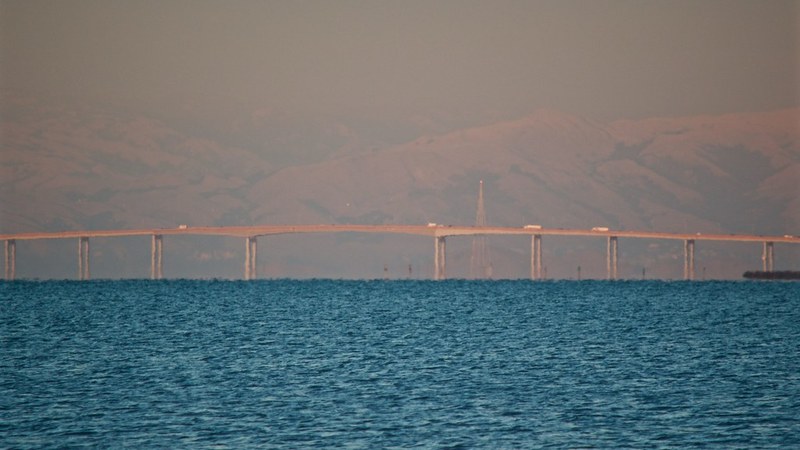
Smoke plumes traveled southeast under a heat dome overhead, trapping pollutants and directing smoke along the Great Lakes corridor into the Eastern Seaboard. This heat dome extended from northern Minnesota to southern Ontario, restricting atmospheric mixing and slowing smoke dispersal.
Wildfire Season Scale and Health Recommendations
As of July 9, 2026, Canada faced 836 wildfires, 194 classified
as completely out of control, burning over 1.46 million hectares—134% of the ten-year average burned area by mid-July. The Canadian Interagency Forest Fire Centre reported 3,137 fires nationally during this season. Canada declared National Preparedness Level 4, deploying firefighting resources across multiple provinces.
Wildfire smoke consists of PM2.5 particles that penetrate deep into the lungs and cardiovascular system, increasing risks of respiratory and heart-related conditions, with significantly higher hospitalization rates linked to wildfire PM2.5 than to industrial or traffic pollution. Dr. Rebecca Saari from the University of Waterloo estimated wildfire smoke health damages in Canada range between CAD 500 million
and CAD 6 billion annually.
Affected populations include elderly, children, pregnant individuals, and those with preexisting respiratory or cardiovascular conditions. Socioeconomic factors exacerbate risks for low-income communities and people of color, who face lower access to proper housing, air filters, and protective respiratory masks.
Dr. Eric Kennedy of York University advised wearing properly fitted N95 or KN95 respirators outdoors during smoke events, as cloth or surgical masks fail to filter sufficiently small PM2.5 particles.