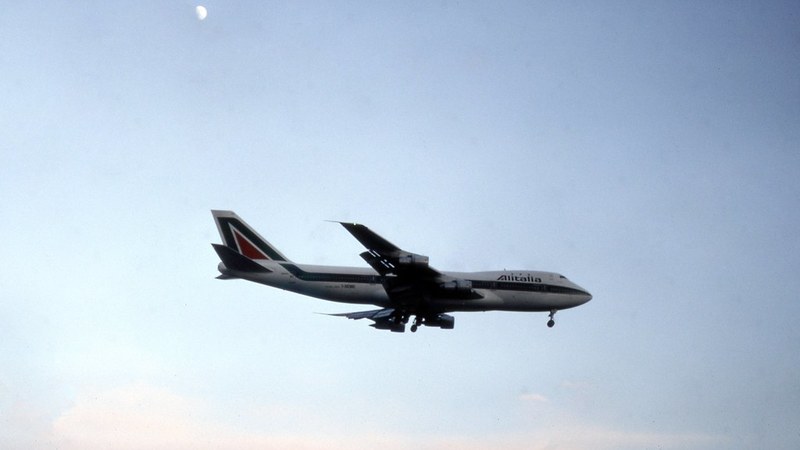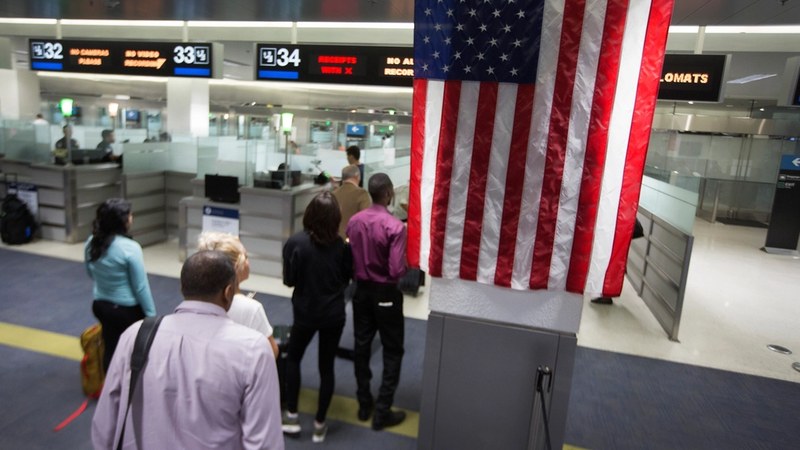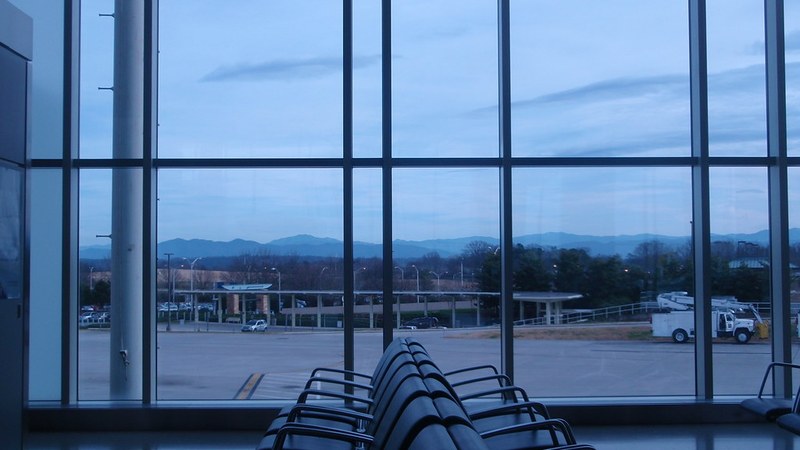
Smoke from hundreds of active Canadian wildfires disrupted flight operations across the Great Lakes and Northeastern United States on July 16, 2026, exposing roughly 100 million Americans to unhealthy air quality. Major airports including Toronto Pearson International, Detroit Metropolitan Wayne County, Chicago O’Hare, and Buffalo Niagara International faced grounding or delays due to visibility restrictions and interference with navigation systems caused by PM2.5 particles in the smoke.
Flight Disruptions Linked to Wildfire Smoke Particles
The Federal Aviation Administration confirmed that the fine solid particles in wildfire smoke interfere with aircraft navigation systems more severely than rain or fog. This interference compels air traffic controllers to increase spacing
between arriving and departing planes, lowering airport capacity. Richard Adams, senior manager of forecast operations at The Weather Company, explained that thick smoke reduces visibility at airports, forcing slower rates of takeoffs and landings.
Airports in the Great Lakes corridor with east-west runway orientations face additional challenges as pilots approach low sun angles through dense smoke layers. Delays originating at hubs such as Detroit or Toronto can cascade to affect flights hundreds of miles away, even where no visible smoke is present. Passengers flying in or out of affected airports were urged to verify flight status and check the FAA’s
National Airspace System Status tool.
Severe Air Quality and Event Cancellations in Toronto and Surrounding Cities
As of 8 a.m. Eastern Time on July 16, Toronto recorded the worst air quality index worldwide amid temperatures between 33°C and 36°C and humidex values up to 42°C. Environment Canada issued an orange-level severe air quality alert for southern Ontario due to smoke from wildfires primarily in northwestern Ontario.
The City of Toronto canceled multiple FIFA World Cup semi-final events including the Fan Festival at Fort York, the Fan Festival at The Bentway, and the semi-final broadcast at Nathan Phillips Square scheduled for 3 p.m. ET. Premium ticket holders for these events were to
be contacted about refunds. The City of Vaughan also canceled its Canada Celebrates event at Assembly Park. The University of Toronto called off its World Cup watch party, while Niagara Falls paused its nightly fireworks program until air conditions improve.
Toronto additionally closed all outdoor wading pools, canceled morning outdoor swimming lessons, and moved CampTO’s outdoor programs indoors to protect vulnerable populations such as children from hazardous smoke exposure. The City stated the cancellations prioritised health and safety of attendees and emergency personnel exposed to prolonged smoke.
Regional Air Quality Alerts and Ongoing Wildfire Status
Michigan, Minnesota, Wisconsin, New York State, Massachusetts, and New England issued air quality
alerts on July 16. Michigan’s Department of Environment, Great Lakes, and Energy forecast parts of the state to reach ‘Unhealthy for All’ levels. New York State’s Department of Environmental Conservation issued a statewide Air Quality Health Advisory, with western New York expected to bear the worst impact.
New York City’s Office of Emergency Management monitored the smoke plume and expected fine particulate levels to remain below health advisory triggers temporarily, though conditions could change. The smoke plume is being pushed southeast through the Great Lakes and into the Eastern Seaboard by a heat dome high-pressure system centered over the Upper
Midwest, which compresses air and limits vertical dispersion.
According to the Canadian Interagency Forest Fire Centre, as of July 9, 2026, Canada had 836 active wildfires, with 194 out of control. The ongoing season produced 3,137 fires burning approximately 1.4 million hectares—134% of the decade average burned by mid-July. Canada is at National Preparedness Level 4, mobilizing firefighting resources across provinces.
Health Risks and Protective Measures for Smoke Exposure
Wildfire smoke contains PM2.5 particles that can penetrate deeply into the lungs and enter the bloodstream. Research shows this smoke is more toxic per unit than urban air pollution, increasing hospital admissions for respiratory and cardiovascular issues. Vulnerable groups
include children, elderly, low-income communities, outdoor workers, pregnant people, and individuals with pre-existing health conditions.
Dr. Eric Kennedy, wildfire management expert at York University, urged wearing masks outdoors, noting that even low smoke levels can harm health. Environment Canada recommended keeping windows and doors closed and wearing properly fitted N95 or KN95 respirators outside. Cloth and surgical masks do not filter PM2.5 effectively due to the lack of electrostatic filtration.
Dr. Rebecca Saari of the University of Waterloo warned that wildfire smoke will continue to be a significant summer air quality hazard without addressing wildfire causes, including climate change.