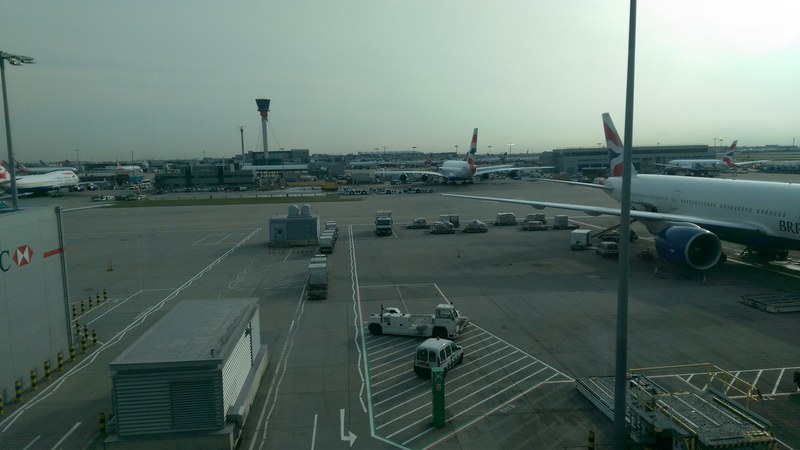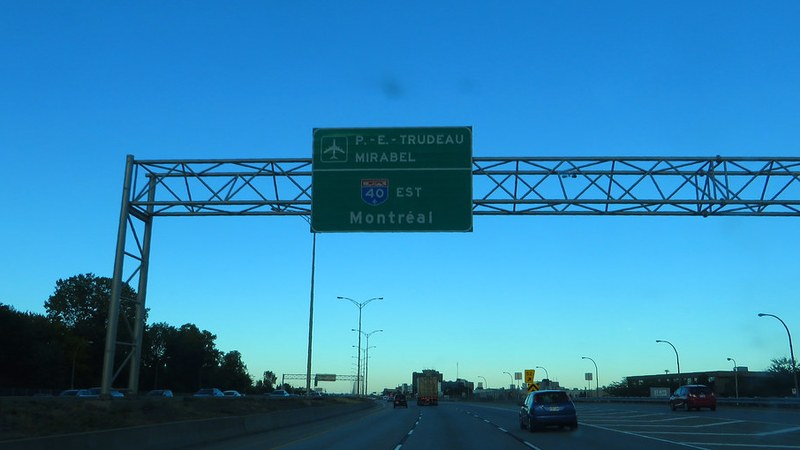
The Federal Aviation Administration (FAA) issued a nationwide ground stop in the United States on November 13, 2026, lasting about five hours and halting all flights departing from the U.S. This disruption was caused by a telecommunications problem involving FAA contractor L3Harris’ installation of a new router, which flooded other routers in the U.S. air traffic control system, disrupting communications and radar operations. The ground stop was the longest nationwide flight shutdown in the U.S. since the September 11, 2001 attacks.
Canadian airports experienced significant ripple effects from the FAA ground stop. Air Canada cancelled approximately 250 flights on November
13, impacting around 27,000 passengers, according to spokeswoman Yasmine Mehdi. Toronto Pearson International Airport reported 143 U.S.-bound flight cancellations on Friday and an additional 63 cancellations on Saturday, November 14. Calgary International Airport (YYC) held U.S.-bound flights for several hours on Friday, resulting in numerous cancellations. Montreal Trudeau, Ottawa, and Vancouver airports also saw dozens of U.S.-bound flights cancelled on Saturday.
Air Canada is responding by adding extra flights and providing free flight changes to affected travellers. Mehdi said, “This was a significant disruption, and its effects have carried over into today, with additional cancellations as aircraft and crews are
out of position across our network.” WestJet and Porter airlines also offered free changes to customers impacted by the cancellations.
Passengers faced extended delays, cancellations, and additional expenses. John Jacques, a Toronto resident traveling from Brisbane to Dallas and then to Toronto, experienced a 16-hour delay onboard his plane and called it “really feeling long” but was “quite happy to just be out of that and stretching my legs before the second hop.” Calgary passenger Naji Zuain was rebooked for a 9 a.m. Saturday flight after cancellation and paid for overnight accommodation. He said, “It is what it is. It’s
kind of unfair for them to have to cover each and every passengers’ expenses due to something that was no fault of their own.” Maggie Sepulveda, stranded at Toronto Pearson, reported three flight changes, over $250 in expenses for accommodation and food, and delays affecting her work schedule. She said, “I’m hopeful that I’ll be able to get out tonight, and I’m thankful that I’m safe. Everything happens for a reason.” Passengers were stranded for hours at airports or onboard planes, with many unable to find immediate alternatives.
FAA Administrator Bryan Bedford said on November 14 that the U.S. air
travel schedule is expected to return to normal by the end of Sunday, November 15, 2026. U.S. Transportation Secretary Sean Duffy attributed the ground stop to the router installation issue that caused flooding in the control system. Air Canada spokesperson Mehdi described the impact as significant, with ongoing cancellations as crews and aircraft gradually return to position.