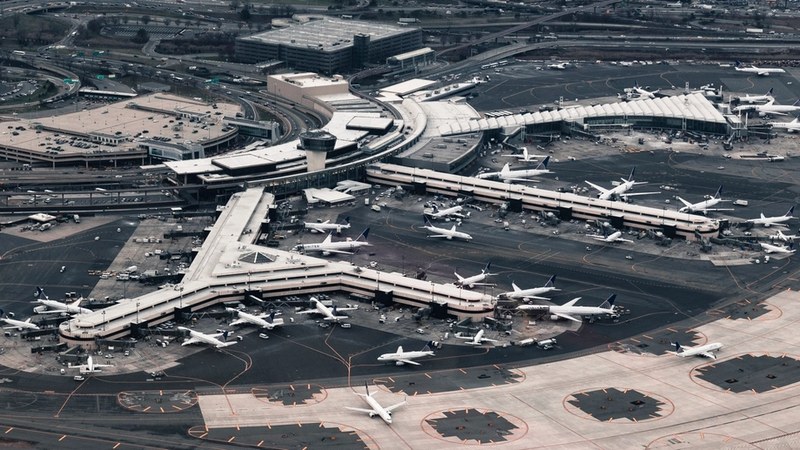
On July 17, 2026, Canadian air travel was severely disrupted with over 100 flight cancellations and around 660 delays nationwide. Disruptions were concentrated at Canada’s four busiest airports: Toronto Pearson, Vancouver International, Montreal–Trudeau, and Calgary International.
Airline Operations and Route Impact
Air Canada faced cancellations and extended delays particularly on domestic routes touching Toronto, Montreal, Calgary, and Vancouver hubs. WestJet experienced delays of over an hour and some cancellations at Calgary and Toronto, causing knock-on effects across Western Canada. Porter Airlines delayed departures on select routes from Toronto Pearson, impacting connections toward Montreal, Ottawa, and regional destinations. High-frequency domestic corridors such as Calgary–Toronto, Calgary–Vancouver, Toronto–Vancouver,
and Toronto–Montreal were most affected. Regional airlines feeding the four major hubs had to retime or downgrade aircraft due to cancellations by larger carriers, intensifying delays.
Causes of Disruptions
Disruptions were caused by a combination of factors: structural airline changes due to fuel price impacts, staffing limitations in crew, ground handling and maintenance, and weather constraints such as thunderstorms and low visibility. Summer thunderstorms around Toronto and Montreal and low visibility at coastal airports like Vancouver led to flow control measures and ground holds. Schedule changes and cancellations cascaded through tightly timed flight rotations, forcing rebooking and cancellations later in the day. Airlines
reduced or reconfigured some routes earlier this year, which left less spare capacity in the system to absorb disruptions. The system was strained during the busy summer travel period, contributing to the disruptions.
Passenger Impact and Airport Conditions
Passengers faced long queues at check-in counters, congested security lines, and crowded departure halls. Travelers spent extended periods waiting inside airports while awaiting rebooking on later flights or alternate routings. Missed connections led to overnight stays in some cases. Passengers were often rebooked via alternative hubs such as Calgary instead of Vancouver or via Montreal instead of Toronto, increasing connection time and journey complexity. Hotels near Toronto
Pearson and Vancouver International saw increased demand from stranded travelers needing last-minute accommodation.
Industry Context and Travel Recommendations
Cancellation rates on July 17, 2026 far exceeded the usual low single-digit cancellation averages tracked in 2023 federal performance scorecards, marking one of the highest disruption days in recent years for Canadian air travel. Consumer advocates and travel advisors recommend travelers check flight statuses frequently and allow longer connection times in multi-segment itineraries during busy summer periods. Aviation analysts cite global factors such as jet fuel price volatility and ongoing route reshuffling by large carriers impacting capacity, contributing to the strain on Canada’s air travel system.