Record Surge in North American Visitors Challenges Canadian Border Operations
Canada is currently experiencing an unprecedented influx of tourists from across North America, with a notable surge in visitors arriving from the United States. This surge has coincided with the implementation of a Canadian government entry rule that has caused operational challenges at border crossings. Although full details of the rule remain undisclosed, Canadian authorities have issued travel warnings highlighting the potential for entry delays and disruptions.
As a key destination for U.S. travelers, Canada’s border management is under increased pressure to accommodate the higher volume of visitors while adhering to new regulatory measures. The resulting situation has triggered a
need for travelers and industry stakeholders to adjust plans and expectations amid evolving border control dynamics.
Impact on U.S. Travelers: Anticipating Extended Processing and Planning Ahead
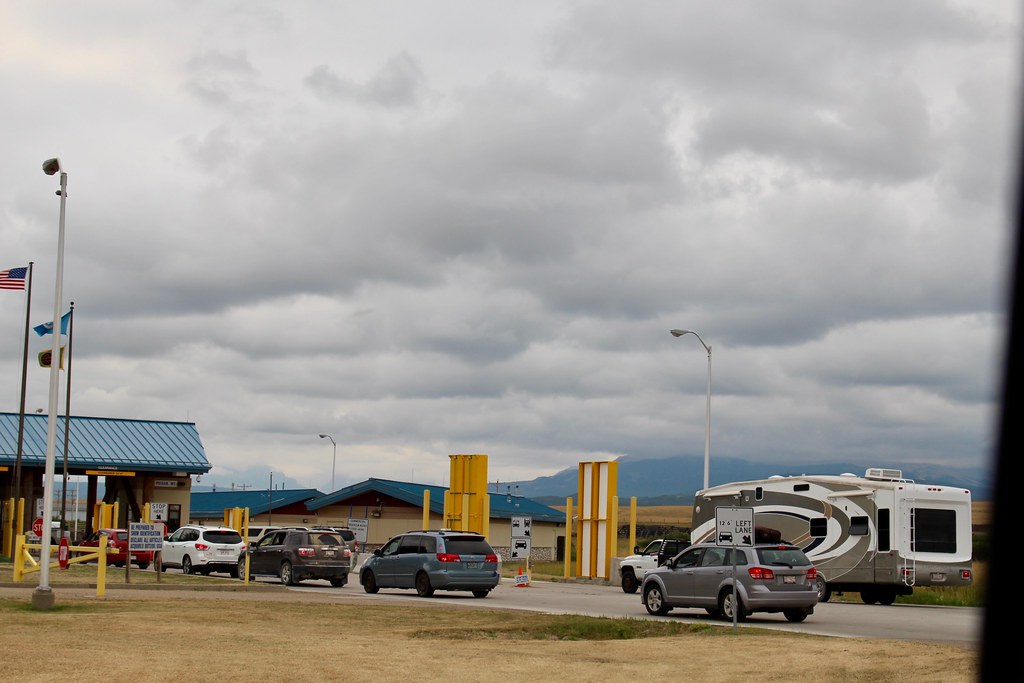
U.S. tourists planning Canadian trips should prepare for possible complications stemming from the new entry rule. Reports point to increased processing times and possible bottlenecks, particularly during peak travel periods at major border crossings. These conditions may lead to unexpected wait times and entry scrutiny.
Travelers are advised to allocate additional time for border clearance and stay up-to-date on Canada’s travel advisories. Awareness of current entry protocols is critical to avoiding disruptions that may affect itinerary schedules or connections.
What to Monitor and How Travelers Can Prepare
Given the fluid nature of the situation, travelers should regularly review official Canadian government updates and travel warnings before departure. Key actions to consider include:
Checking border wait times via
official channels ahead of travel dates Ensuring all documentation complies with entry requirements Allowing extended time for customs and immigration processing Following guidance issued by both U.S. and Canadian travel authorities
Being proactive in understanding the evolving entry landscape will help minimize complications upon arrival and enhance the overall travel experience.
Broader Context: Canadian Government Travel Warnings and Market Response
The Canadian government’s travel warnings reflect a focus on maintaining border security while managing the increased visitor volume. Authorities aim to balance efficient tourism facilitation with regulatory enforcement, though the current entry rule adjustments indicate operational strain.
Travel industry players and tourism operators are monitoring this trend closely, as
the North American tourism surge demonstrates both market opportunity and logistical challenges. Travelers and service providers alike must remain adaptable during this period of transition.
In practice, the travel landscape between the U.S. and Canada is dynamic, influenced by policy shifts and travel demand patterns. Stakeholders should anticipate ongoing updates and maintain flexibility in travel arrangements.
Final Considerations for U.S. Visitors Heading to Canada
U.S. tourists planning Canadian visits during this peak period are encouraged to consider key preparatory steps. Confirming all entry documentation is current, planning for potential delays, and consulting official resources will support smoother border crossings. Travelers who stay informed about Canadian entry procedures and
government advisories are better positioned to mitigate disruption risk.
While the entry rule challenges present hurdles, Canada remains a favored destination with unique experiences attracting North American tourists year-round. Awareness and strategic planning will enable travelers to navigate this evolving scenario more effectively.