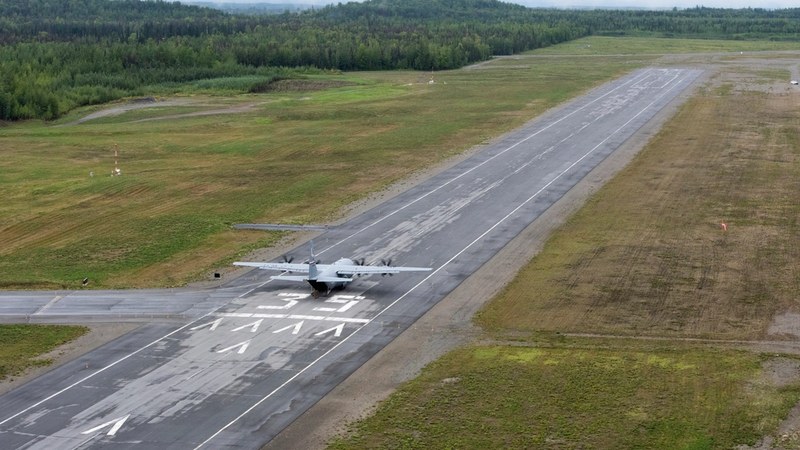
An American Airlines Boeing 737-800 flight aborted takeoff on the runway at LaGuardia Airport at 8:20 a.m. Eastern on September 3, 2026, after pilots reported a bird strike. Flight 392 was traveling at nearly 140 miles per hour when the crew rejected the takeoff and safely returned the aircraft to the gate with no injuries reported aboard.
FAA Ground Stop and Flight Delays
The Federal Aviation Administration imposed a ground stop at LaGuardia Airport starting at 8:18 a.m., lasting until 9:30 a.m. Eastern as a safety measure following the bird strike incident. Afterward, the FAA implemented a ground delay program at the airport that resulted in
average delays of 19 minutes on departing and arriving flights until 11:34 a.m. This sequence of operational restrictions contributed to disruptions including delays and cancellations at the airport.
Weather Conditions Amplify Disruptions
Based on an FAA statement, morning thunderstorms affected the New York metropolitan region on the day of the incident, exacerbating flight delays at LaGuardia. These weather conditions were already impacting airport operations prior to the bird strike and ground stop, increasing the overall disruption to the flight schedule.
LaGuardia’s Bird Strike History and Wildlife Management
LaGuardia Airport has a recorded history of bird-strike incidents including the 2009 US Airways Flight 1549 event known as the “Miracle on the Hudson,”
which involved a passenger aircraft losing engine power after striking Canada geese and safely ditching in the Hudson River. More recently, a December 2024 American Airlines flight from LaGuardia experienced a bird strike on an engine and diverted to John F. Kennedy International Airport without injuries.
The Port Authority of New York and New Jersey operates LaGuardia along with JFK and Newark airports and maintains an integrated wildlife hazard management program. This includes habitat modification, the use of pyrotechnics, falconry, and selective population controls involving USDA Wildlife Services and certified biologists, aiming to minimize wildlife hazards on airport runways.
National Context and FAA Investigation
The
FAA confirmed it is investigating the bird strike incident involving the Boeing 737-800 at LaGuardia Airport. National data show wildlife strikes at U.S. airports reached over 19,000 reports in 2023, causing about $385 million in damage and operational downtime. Analysis indicates only a small percentage of these strikes cause physical damage or impact flight operations adversely.
Recent trends include a record 54 osprey strikes in 2025, linked to raptor population growth near coastal airports such as LaGuardia. Despite comprehensive wildlife management efforts, bird strikes remain a recurrent operational challenge for coastal airfields in the United States.