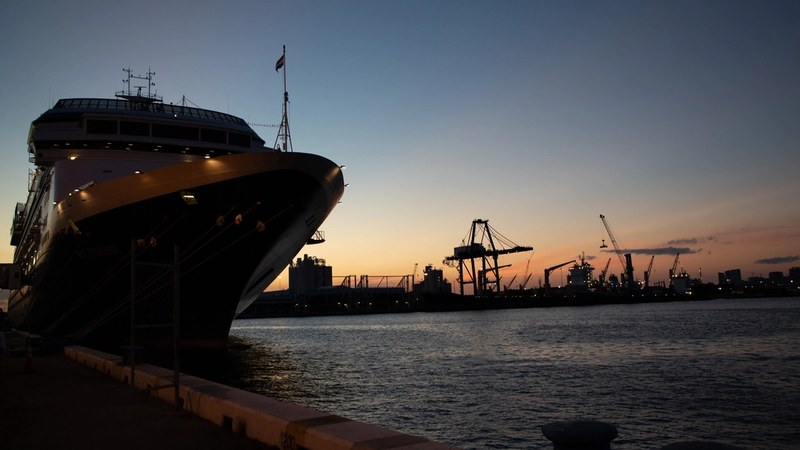
Barcelona City Council has granted initial approval to raise the tourist tax for cruise passengers who spend less than 12 hours in the city and do not stay overnight. This decision targets cruise visitors transiting through Barcelona’s port, adjusting fees to reflect their brief stays.
The current tourist tax for these cruise passengers stands at €5. Under the progressive plan approved by the council, the fee will increase to the maximum limit of €24 as established by recent Catalan law. This rise will be implemented gradually, with full effect anticipated by 2030.
The council also confirmed the freeze of the
surcharge for hostels at €4, recognizing their unique position in the tourism sector. A proposal to increase the differentiated property tax (IBI) for leisure and hospitality venues with the highest cadastral values was rejected during the plenary session.
Official Statements and Policy Details
Deputy Mayor for Economy Jordi Valls emphasized that the tax increase set for cruise ships is the largest in the Mediterranean region, surpassing rates in ports such as Amsterdam and Santorini. He supported a progressive, four-year rollout to provide clarity and predictability regarding fiscal policy for the city’s tourism sector. Valls highlighted the rationale behind the hostel surcharge freeze, noting their situation
differs from other tourist establishments.
Valls stressed the necessity for the tourism industry to assume greater financial responsibility given that Barcelona has reached its tourism capacity limits. The increased tax on brief-stay cruise passengers aligns with efforts to boost municipal revenues from visitors who do not contribute through overnight stays.
The new tourist tax adjustments follow recent Catalan legislation setting a maximum tax rate of €24 for transit cruise passengers. The council’s approval initiates a phased increase designed to balance fiscal needs with tourism dynamics.