Barcelona’s Cruise Tax Increase: An Overview
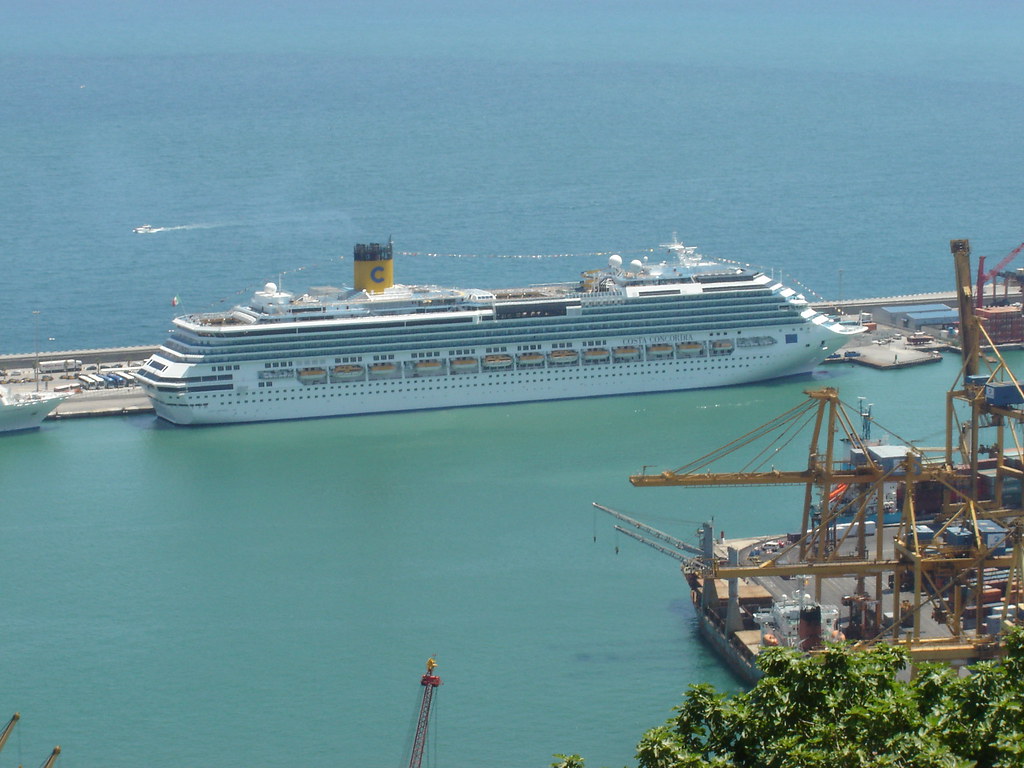
The Port of Barcelona is poised to implement a significant hike in its daily cruise passenger tax, doubling the fee to €8 per traveler. This move aligns with broader regional initiatives aimed at advancing sustainable tourism and managing the growing environmental and infrastructural challenges associated with cruise traffic. While the exact timeline and cruise line reactions remain unspecified, the escalation is confirmed and expected to have ripple effects across Mediterranean cruise itineraries.
Implications for U.S. Travelers on Mediterranean Cruises
American cruisers planning Mediterranean and wider European port visits should anticipate changes in budgeting as a result of this increased port fee. The addition to overall Mediterranean cruise
costs comes at a time when many travelers are already evaluating expenses amid fluctuating fuel prices and post-pandemic market adjustments. Although this tax hike is currently concentrated in Barcelona, such efforts often influence similar policy adjustments in other major European ports, potentially increasing cumulative fees for transatlantic cruise passengers.
Broader Context: European Port Fees and Sustainable Tourism Initiatives
Barcelona’s decision is not isolated. Many European ports are revisiting their fee structures as part of wider sustainable tourism initiatives. The aim is to control passenger volumes, reduce ecological impact, and support infrastructure enhancements to accommodate cruise traffic more sustainably. This reflects a shift in policy that prioritizes environmental stewardship and
quality of visitor experiences over sheer passenger numbers. The increased port fees are intended to fund these objectives, signaling a changing dynamic in how cruise tourism is managed along the continent’s busiest maritime gateways.
Why the Barcelona Tax Change Matters to the Cruise Industry
For cruise operators and travel planners, Barcelona is a critical hub in Mediterranean offerings. The port hosts numerous itineraries that connect key cultural and historical destinations. An increase in port fees can influence itinerary planning, ticket pricing, and onboard spending strategies. For U.S. travelers, who typically factor port fees and taxes into total vacation costs beforehand, this hike may lead to revisiting alternatives or accepting slightly
elevated prices for favored destinations. Furthermore, the tax increase could set a precedent for other European ports, prompting wider industry evaluations around cost structures and sustainable growth.
Practical Considerations for U.S. Passengers
While the €8 daily tax fee might appear modest individually, its cumulative impact on longer cruises or multi-port voyages can be significant. Travelers should anticipate this adjustment when reviewing upcoming itineraries that include Barcelona or neighboring Mediterranean ports where fee increases could follow suit. Travel agents and cruise advisors may also need to update cost estimates for clients accordingly, highlighting the sustainable tourism rationale behind these changes. Ultimately, understanding this development can help
U.S. cruisers better plan financially and appreciate the evolving landscape of European cruise destinations.