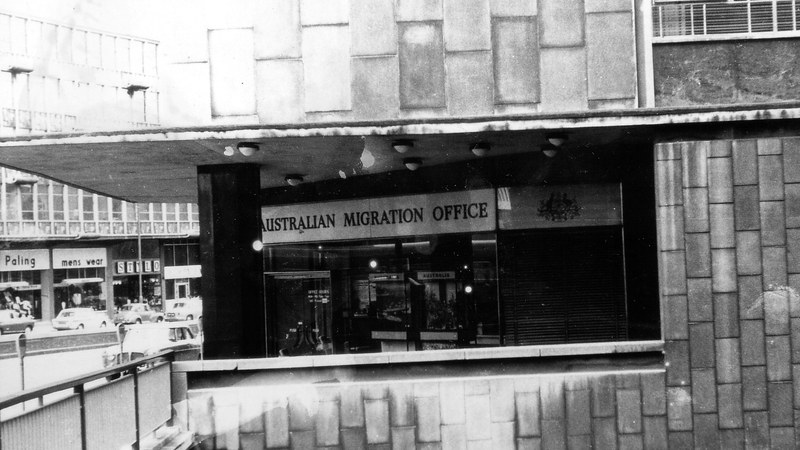
The Australian government issued a directive in July 2026 prioritizing visa applications for skilled and employer-sponsored visas from migrant workers already in Australia. Workers in defence and law enforcement are in the highest priority tier, followed by onshore applicants in construction, healthcare, and teaching sectors. Offshore skilled visa applicants outside defence and law enforcement have been deprioritized, effectively pausing processing to limit overseas arrivals.
Visa Processing Delays and Impact on Skilled Workers
Visa processing times for skilled workers applying from overseas have increased substantially, with reported wait times reaching up to 12 months. Employers seeking to bring in nurses, teachers, and other skilled professionals from abroad face delays
as offshore applications are paused, forcing some to the so-called “emergency stopping lane.” Additionally, processing of Working Holiday Maker visas has been slowed or halted since July, affecting seasonal and temporary labour inflows.
Policy Background and Migration Targets
The directive forms part of a government strategy to reduce Net Overseas Migration (NOM) from 300,000 currently to a target of 225,000 by 2028. This falls amid political pressure to limit immigration levels following a post-COVID peak NOM of 556,000. The shift prioritizes onshore visa applicants to curb offshore arrivals. Minister Tony Burke is also working on a broader migration system overhaul, expected to clamp down on
temporary visas and address visa holders on bridging visas.
Industry Reactions to Visa Priority Changes
Industry leaders have criticized the directive’s blunt approach. Jamie Lingham, CEO of Absolute Immigration Group, called the policy a “blunt tool,” highlighting the unfairness toward offshore healthcare workers, stating, “Why aren’t there priority areas for offshore applications too? It means your marketing manager could get in before your nurse.” Innes Willox, CEO of the Australian Industry Group, described the change as moving from a post-COVID “processing fast lane” to an “emergency stopping lane,” warning of risks to long-term development. Andrew McKellar, CEO of the Australian Chamber of Commerce and Industry, cautioned
the government is responding to short-term political pressure rather than urgent business skills needs.
Migration Trends and Official Statements
Between 2017 and 2026, the number of people on bridging visas in Australia more than tripled from 130,450 to 413,000. Student visa holders increased from 383,910 to over 528,000, while backpacker visa holders rose from 146,340 to 225,650. Home Affairs Minister Tony Burke stated the directive prioritizes onshore over offshore visa applications to reduce net migration. He rejected premature commentary on migration reforms, emphasizing ongoing consultation. Industry leaders urge faster policy announcements to clarify future visa intake settings amid a global competition for skilled talent.