On September 17, 2026, the Australian government announced new restrictions on working holiday visas, slashing third-year visa allocations from 31,000 to 5,000 and introducing a lottery system for backpackers seeking to remain in the country beyond two years. Second-year visas will also decrease from 57,000 to 45,000, with total visa places cut by 38,000 over two years.
Backpackers currently in Australia face uncertainty under the new rules. Zoe, 25, a French backpacker working toward the required 88 days of regional labor, said, “Everyone’s talking about that. The mood is low.” She added, “I knew that it was worth it because
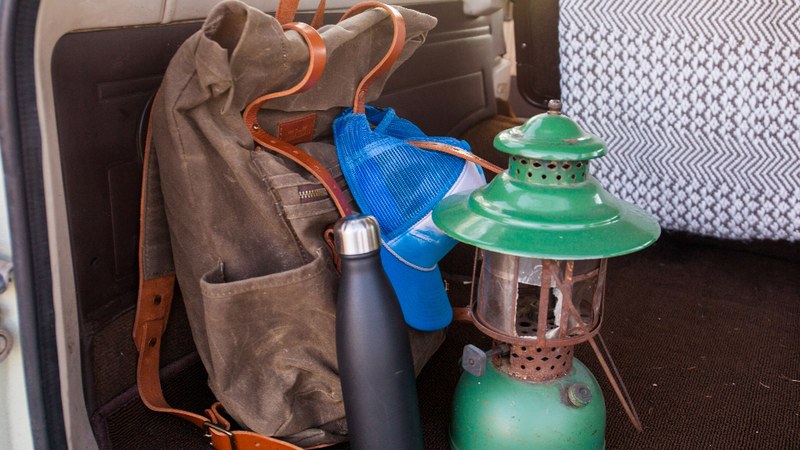
I would like to get my third year without any problem and be able to enjoy it. But now I’m not even sure about that anymore.” Another backpacker, Laura, 28 from northern France, has spent three months as a commercial cleaner hoping to qualify for a third year but expressed concern: “We are doing what Australians don’t want to do… It’s not easy to be backpacker. Our life is just in a backpack.”
Visa Processing Delays Impact Backpackers and Employers
Since July 2026, visa processing times have expanded from two or three days to multiple weeks or months, catching backpackers and employers off guard. Matthew Heyes, founder
of Backpacker Job Board, said the government website had not updated processing times, which “still said that visas typically get processed in two to three days.” He noted, “We’re seeing backpackers that applied for their visa in July onwards, not having their visas processed still today.” Employers relying on backpacker labor for harvest seasons face difficulties filling key roles.
Government Policy Shift and Immigration Context
Home Affairs Minister Tony Burke characterized the surge of British backpackers, which grew from 35,000 to nearly 80,000 due to an Australia-UK free trade agreement raising the age limit from 30 to 35 and waiving certain regional work requirements, as a
“challenge” to address with UK counterparts “in a constructive way.” The government is reprioritizing immigration to favor skilled workers such as construction workers, doctors, nurses, agricultural and resource specialists, and law enforcement officers. It also plans to bar international students from bringing family members and enforce stricter penalties on visa overstayers. These measures respond to political pressure amid rising public concerns over migration related to housing shortages, cost-of-living pressures, and higher interest rates.
Industry Reactions from Tourism and Regional Employers
Tourism and agricultural sectors dependent on backpacker labor expressed concern over visa reductions. Max Gibson, General Manager of the Mahony Group—which runs three pubs and five backpacker
hostels across locations including Melbourne and Cairns—and Vice President of Youth Tourism Victoria, reported forward bookings down 25% this year and the last two months as the worst since the COVID-19 pandemic. Regional farmers worry about losing vital workers for tasks such as fruit picking and fence repairs. The government recommends the Pacific Labour Mobility program, facilitating workers from Pacific Islands, as an alternative labor source.
Official Statements on Visa Processing and Labor Supply
Tony Burke assured that visa processing times would return to normal. He emphasized ongoing discussions with UK officials regarding working holiday visa surges. The government reiterated that labor shortages could be mitigated by hiring
through the Pacific Labour Mobility program. Meanwhile, backpackers like Zoe remain anxious over changes and uncertain about their ability to extend their stay under the new lottery system requiring payment of several hundred dollars for a chance at one of 5,000 third-year visas.