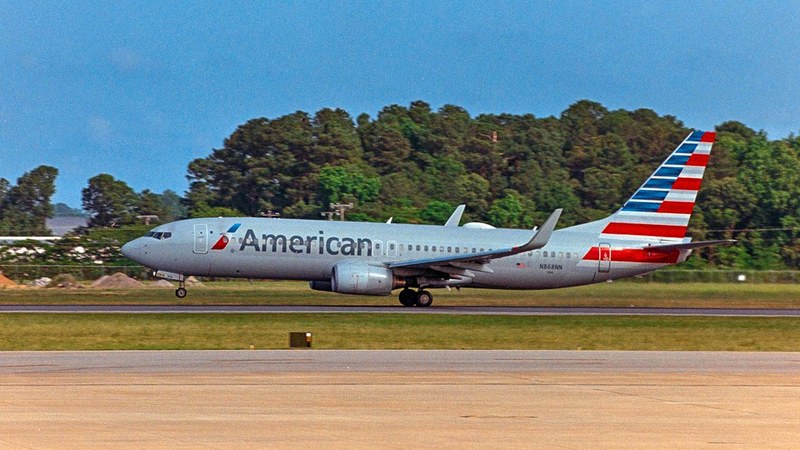
On July 30, 2026, American Airlines experienced delays to nearly 1,100 flights across U.S. airports due to an IT failure connected to a third-party vendor platform. The malfunction disrupted flight planning and crew management systems essential to airline operations.
FAA Ground Stop Halts American Flights for Several Hours
The Federal Aviation Administration issued a ground stop that lasted a few hours, temporarily halting American Airlines departures nationwide. The pause compounded operational challenges, creating widespread delays as flights on the ground could not proceed until technology systems were manually bypassed and restored.
Vendor Technology Platform Failure Disrupts Operations
The disruption arose from a breakdown in vendor-provided software relied upon by American for flight planning and crew
scheduling. The connectivity loss prevented normal dispatch of flights and crew assignments, although in-flight aircraft continued to their destinations. While cancellations remained comparatively low, many scheduled departures were delayed or held on the tarmac until staff implemented manual workarounds.
Passenger Experience Impacted by Delays and Service Disruptions
The delays caused a cascade of difficulties for travelers, including missed connecting flights and prolonged lines at airport customer service centers. Call centers and mobile app channels became congested, complicating efforts for passengers to rebook flights. Extended waiting times for gate assignments and boarding further affected departures, especially at busy hubs such as Dallas Fort Worth Airport.
Airline Confirms Incident Was Not a Cyberattack; Systems Recovered
American Airlines officially stated
the issue was a technology failure and not a cyberattack. By late July 30, most systems were restored, allowing operations to largely recover, though some residual delays persisted. The airline emphasized ongoing efforts to stabilize schedules and resume normal flight flows.
July 2024 CrowdStrike Outage Context
This event follows a similar worldwide IT outage in July 2024 caused by a faulty software update from cybersecurity firm CrowdStrike, which impacted American Airlines and other carriers. That incident led to multiple temporary ground stops, flight cancellations, and broad operational expenses related to irregular operations and customer service challenges.
Airline Industry’s Dependency on Complex Vendor Ecosystems
Experts point out that airlines like American rely on
an intricate network of third-party IT providers, increasing exposure to cascading failures from software faults or outages. The integration of legacy mainframes with modern cloud systems creates multiple fragilities, where disruptions can quickly affect flight planning, crew management, and passenger services.
Dallas Fort Worth Airport Experienced Communications Impairment
Dallas Fort Worth Airport, a major American Airlines hub, encountered communications problems caused by damaged fiber-optic lines. This infrastructure issue further hindered coordination during the IT outage, exacerbating delays and operational difficulties at the airport on July 30.
Operational Challenges Amplified by Tight Scheduling and Crew Limitations
The airline’s tightly choreographed schedules depend on precise aircraft rotations and regulatory crew duty limits. The outage disrupted visibility into crew
positions and aircraft readiness, forcing American to rely on slower manual processes. Even after system restorations, the operational backlog took hours to clear due to regulatory constraints on crew work hours and repositioning delays.
Broader Vulnerabilities Highlight Need for Improved IT Resilience
Industry assessments warn such IT failures will recur given the concentration risk from few dominant technology providers. Calls for enhanced software testing, contingency procedures, and backup platforms are rising as airlines balance cost with the need for operational reliability. Although delays and passenger inconveniences remain significant, flight safety protections were unaffected during the incident.