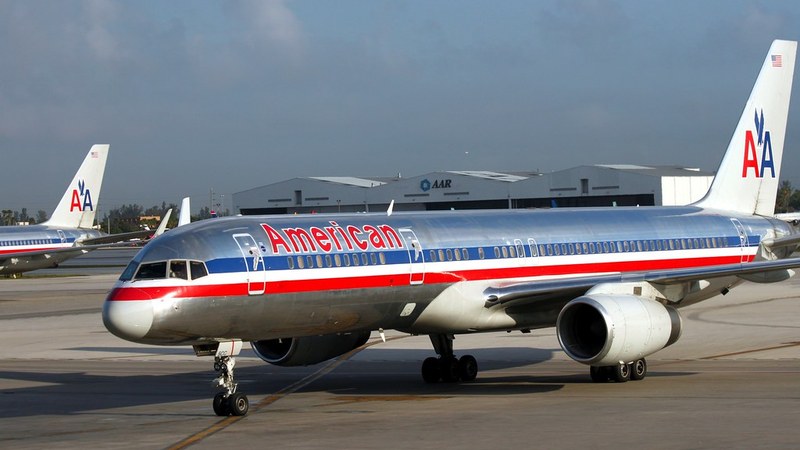
American Airlines flight operations at Chicago O’Hare International Airport (ORD) and Dallas Fort Worth International Airport (DFW) are experiencing delays and rerouting on August 17, 2026, amid the Chicago Air and Water Show and severe summer thunderstorms.
Airspace Restrictions at Chicago O’Hare During Air and Water Show
The Chicago Air and Water Show imposes a restricted airspace “box” over Lake Michigan during its scheduled weekend events. This limitation narrows available flight corridors for commercial airlines arriving and departing from O’Hare, located northwest of the show site. The Federal Aviation Administration (FAA) and event air traffic controllers coordinate to manage downtown Chicago airspace tightly, causing temporary flow restrictions affecting American Airlines
flights utilizing one of the busiest airports in the U.S.
With tens of thousands of aircraft movements monthly, O’Hare operates near capacity during peak summer travel periods. The reduced airspace flexibility directly causes gate holds, ground delays, and missed connections for network carriers such as American. Ground congestion has also increased due to terminal construction and heavier traffic on airport access roads, compounding delays and increasing risks for passengers encountering long security lines and tight connection times.
Thunderstorm Impact on Dallas Fort Worth Hub Operations
In Dallas Fort Worth, American Airlines’ largest hub, ongoing summer storms have triggered multiple ground stops and flow restrictions on August 17, 2026.
Thunderstorms, lightning, and low clouds have intermittently affected runways and instrument landing systems, reducing arrival capacity during critical afternoon and evening operating windows when the airport’s complex schedule of domestic and international flights converges.
FAA performance data confirms partial runway and landing system outages worsen the airport’s ability to handle the dense volume of timed connection banks essential to American’s operations. The potential for network-wide disruptions grows as flights destined for DFW may be held at origin airports, airborne diversions may occur, and crew duty-time limits introduce additional recovery challenges once weather conditions improve.
Cascading Effects on American Airlines’ Network
The simultaneous operational disruptions at O’Hare
and Dallas Fort Worth significantly affect American Airlines’ nationwide and international flight network. Both hubs serve as critical nodes for linking coast-to-coast and transatlantic routes, with schedules tightly banked to optimize connections.
Delays at either hub impact aircraft rotations and crew assignments across multiple time zones. For example, a late arrival at one airport may cause missed outbound connections, leading to cascading adjustments including retimed departures or aircraft substitutions throughout the day. Passengers traveling on flights without stops at Chicago or Dallas may still experience schedule changes related to the positioning of aircraft and crew originating at these hubs.
Passenger Experience and Airline Response
Passengers
flying through American Airlines hubs at Chicago O’Hare and Dallas Fort Worth on August 17 face heightened risks of delays, cancellations, and missed connections due to the combined air show and weather-related disruptions. Ground congestion in Chicago and storm-driven operational constraints in Dallas contribute to prolonged airport processing times and infrastructure capacity challenges.
American Airlines has expanded digital self-service tools available via its app and website to help affected customers rebook flights and access vouchers amid irregular operations. The airline’s measures aim to alleviate pressure on customer service channels while travelers adjust to changing flight status during the day.
Ongoing Disruption Risks During Peak Summer Travel
The
Chicago Air and Water Show events are scheduled around the weekend of August 17, while summer thunderstorms remain active in North Texas throughout the season. This combination continues to produce operational volatility for American Airlines’ major hubs, limiting the carrier’s ability to manage high-demand schedules with minimal slack.
Flight status updates related to airspace restrictions and convective weather will likely continue to fluctuate through the day. Passengers with itineraries involving tight connections through Chicago O’Hare and Dallas Fort Worth are at increased risk of delay and should expect the situation to evolve as both events progress during the peak summer
travel period.