An American Airlines Boeing 737-800 aborted its takeoff at LaGuardia Airport in New York City on September 4, 2026, after striking a bird. Flight 392 was accelerating to nearly 140 mph when pilots rejected the takeoff at 8:20 a.m. Eastern and safely returned to the gate with no reported injuries.
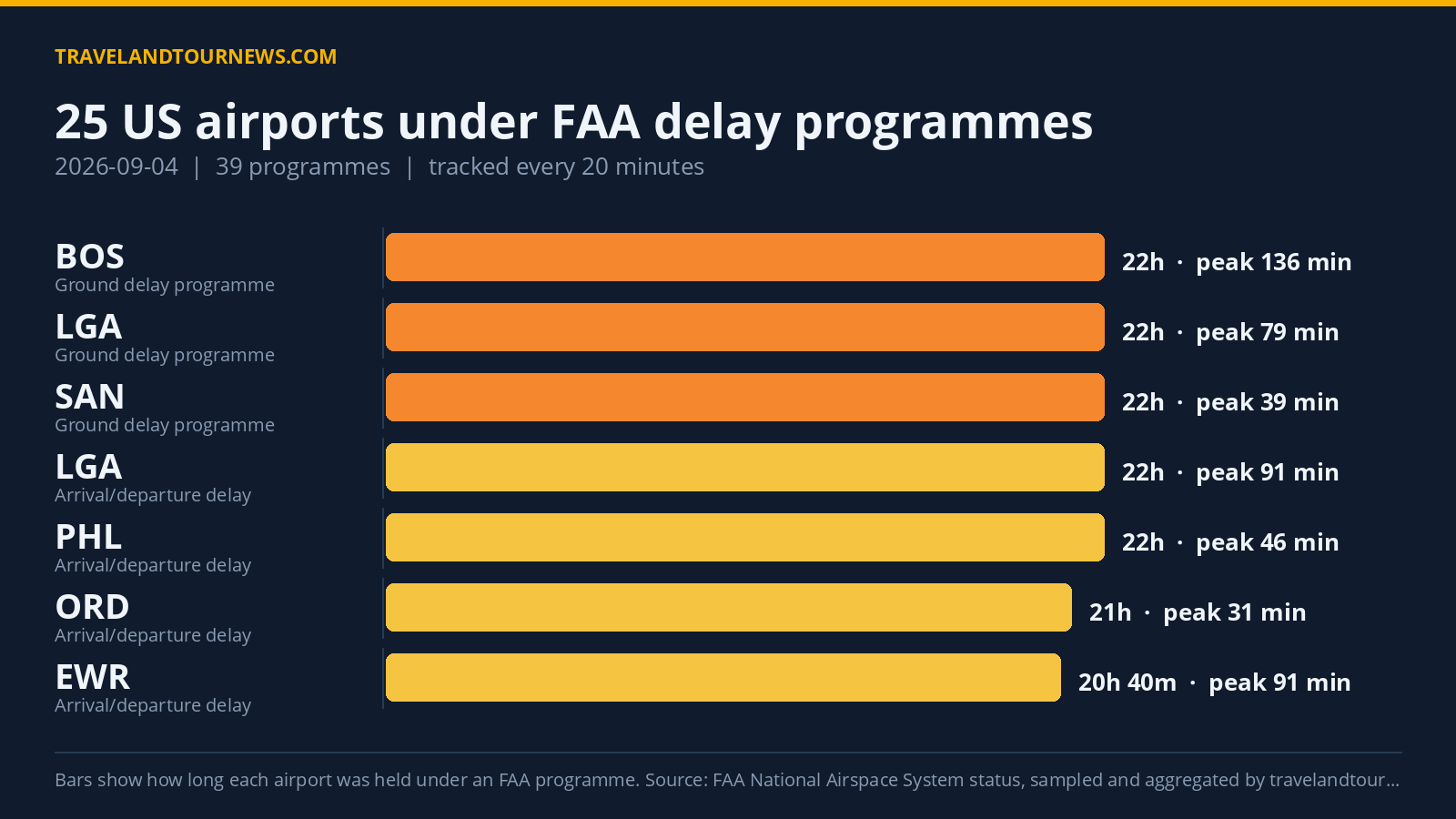
Following the bird strike, the Federal Aviation Administration imposed a ground stop at LaGuardia Airport from 8:18 a.m. until 9:30 a.m. This ground stop subsequently converted into a ground delay program, resulting in average flight delays of 19 minutes across the airport until 11:34 a.m.
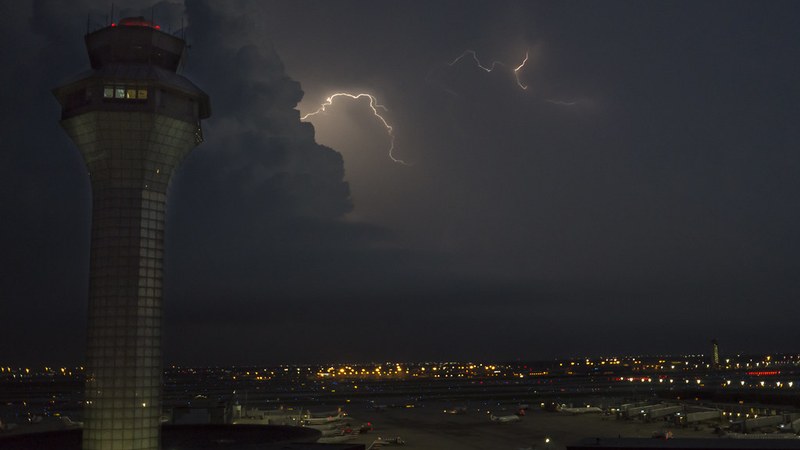
Severe thunderstorms passing through the
New York metropolitan region were causing flight disruptions at LaGuardia prior to the bird strike incident. According to FAA statements reported by FOX 5 New York, the majority of delays that morning stemmed from deteriorating weather conditions rather than the bird strike alone.
LaGuardia’s Bird Strike History
The bird strike recalls LaGuardia’s aviation safety history, notably the 2009 “Miracle on the Hudson,” where US Airways Flight 1549 lost engine power after striking Canada geese shortly after takeoff from LaGuardia. That event prompted enhanced wildlife hazard management protocols nationwide. More recently, in December 2024, an American Airlines flight departing LaGuardia experienced an engine bird strike
and diverted safely to JFK Airport without injuries.
Wildlife Hazard Management at LaGuardia
The Port Authority of New York and New Jersey oversees LaGuardia along with JFK and Newark airports. It operates a comprehensive wildlife hazard management program that includes habitat modification, pyrotechnics, falconry, and population control measures conducted with USDA Wildlife Services and certified wildlife biologists.
Despite these efforts, reported wildlife strike incidents have nearly doubled since 2009, mostly because of increased awareness and reporting of smaller, non-damaging strikes rather than an actual rise in dangerous encounters. The airport continues to face challenges due to expanding bird populations with shifting nesting habits near coastal
runways.
National Impact of Wildlife Strikes
At the national level, wildlife strikes remain a significant concern for civil aviation. In 2023, U.S. airports reported over 19,000 wildlife strikes causing an estimated $385 million in damage and operational downtime. However, only 2% to 8% of strikes cause physical aircraft damage, and 6% to 7% cause operational impacts.
Records show that osprey strikes with civil aircraft reached a historic high of 54 in 2025, linked to expanding raptor populations near coastal airport environments such as LaGuardia.
Traveler Impact During September 4, 2026 Incident
The FAA ground stop and subsequent ground delay program at LaGuardia on September 4 resulted in average delays of 19 minutes
through mid-morning. These delays compounded the operational challenges already in place due to severe thunderstorm activity over the region.
American Airlines Flight 392’s high-speed aborted takeoff illustrates the use of critical safety protocols where pilots reject takeoff at near decision speed only when a major hazard is detected. Despite inherent risks such as runway overruns or brake failure, the crew was able to bring the aircraft safely to a halt without injury.
Aviation Safety and Ongoing Mitigation
Bird strikes remain a persistent hazard for coastal airports like LaGuardia, where expanding bird populations and nesting habits increase exposure. Flight safety organizations advise rejection of takeoff beyond
80 knots only for severe threats due to risks involved with high-speed aborts.
LaGuardia’s integrated wildlife management and national monitoring efforts reflect continuing adaptation in commercial aviation to mitigate risk from wildlife strikes, balancing operational safety with environmental considerations.