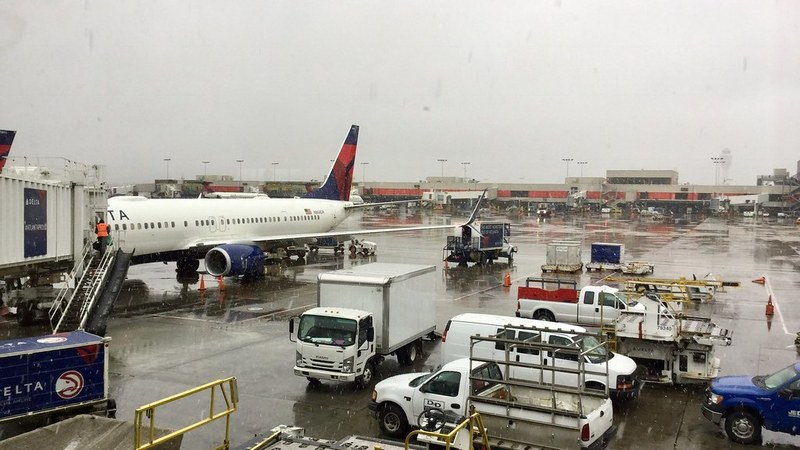
An American Airlines Boeing 737-800 operating Flight 392 from LaGuardia Airport to Chicago O’Hare aborted its takeoff on September 4, 2026, after a bird strike was detected. The rejected takeoff occurred at 8:20 a.m. Eastern as the aircraft neared 140 mph. The crew stopped the plane safely and returned it to the gate with no reported injuries.
FAA Ground Stop and Delay Program
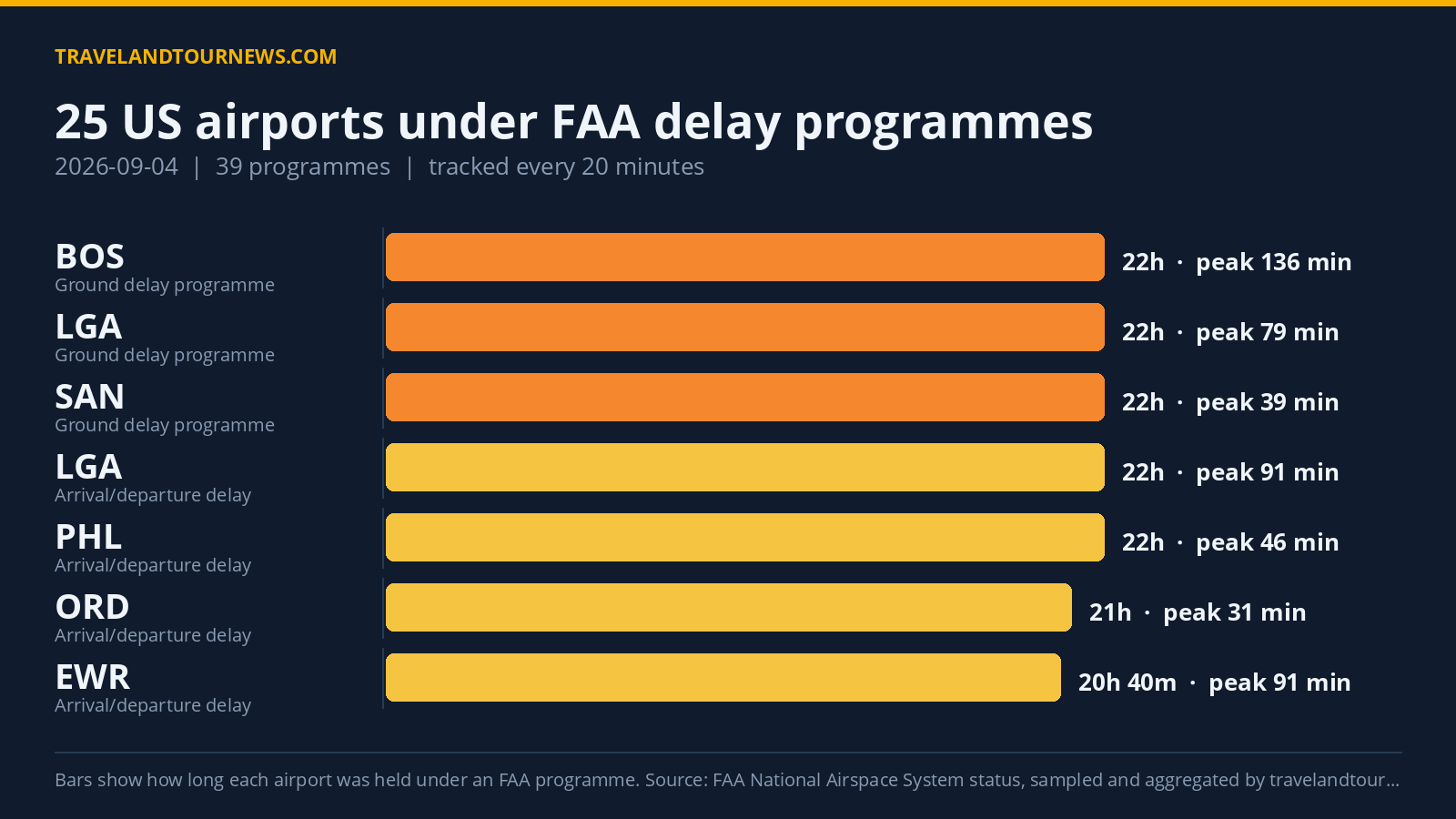
The Federal Aviation Administration issued a ground stop at LaGuardia on the morning of September 4, from 8:18 a.m. until 9:30 a.m. Eastern following the bird strike on Flight 392. After the ground stop was lifted, a ground delay program remained active until
11:34 a.m., generating average delays of 19 minutes. Severe weather, including morning thunderstorms across the New York metropolitan area, also contributed to flight disruptions at the airport that day. FAA stated that these weather conditions alongside the bird strike caused the flight delays.
Bird Strike Risks and LaGuardia’s History
Bird strikes are a recognized hazard near coastal airports like LaGuardia, where expanding wild bird populations increase risk. LaGuardia has a notable history of bird strike incidents affecting flight safety, including the 2009 “Miracle on the Hudson,” when US Airways Flight 1549 lost engine power after hitting Canada geese shortly after departing LaGuardia and safely ditched in
the Hudson River. In December 2024, an American Airlines flight from LaGuardia suffered a bird strike shortly after takeoff but safely diverted to John F. Kennedy International Airport. The Port Authority of New York and New Jersey operates a comprehensive wildlife hazard management program at LaGuardia, including habitat modification, pyrotechnics, falconry, and controlled population measures in partnership with USDA Wildlife Services and wildlife biologists.
National Wildlife Strike Data and FAA Investigation
Reported wildlife strikes at U.S. airports reached over 19,000 in 2023, causing approximately $385 million in damage and operational downtime. Only 2% to 8% of recorded wildlife strikes cause physical damage, and 6% to 7% produce
operational effects on flights. A record 54 osprey strikes were reported in 2025, linked to expanding raptor populations near coastal airfields. The Federal Aviation Administration confirmed it will investigate the bird strike event involving American Airlines Flight 392 at LaGuardia as reported by ABC7 Chicago.
Operational Impact on Travelers
The immediate FAA ground stop from 8:18 a.m. to 9:30 a.m., followed by a ground delay program until 11:34 a.m., caused flight delays averaging 19 minutes at LaGuardia Airport. This operational disruption affected both arriving and departing flights during peak morning hours.