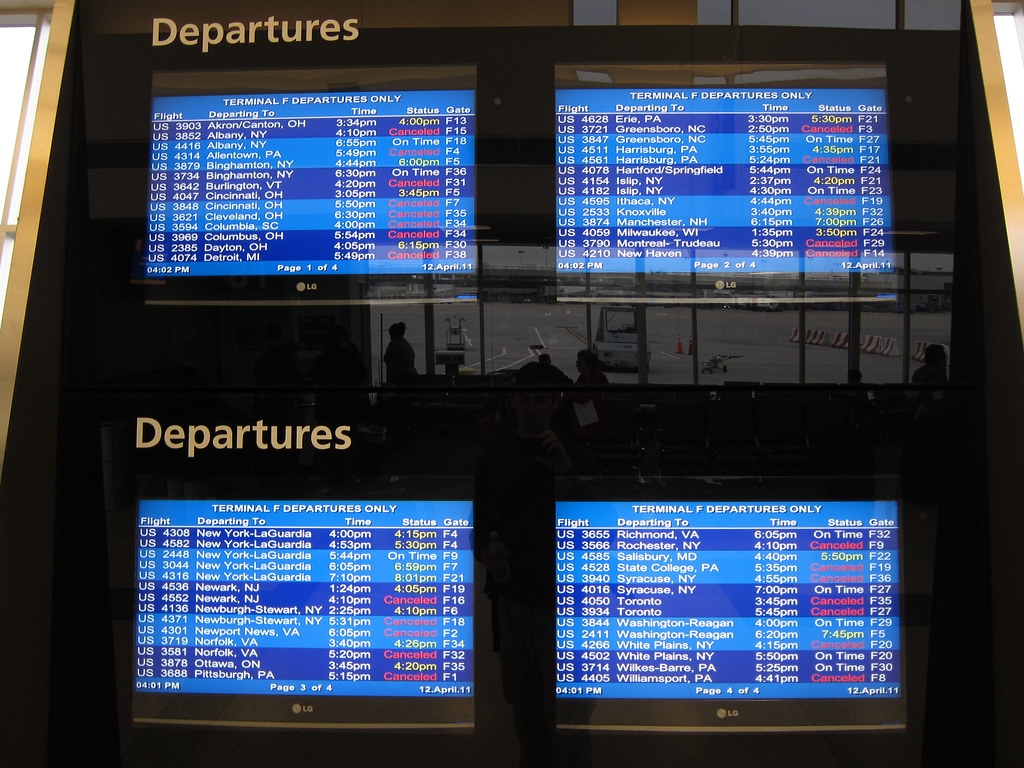
Widespread Impact of Airline Technology Failures at US Airports
Major airports across the United States have recently experienced significant operational disruptions attributed to ongoing airline technology failures. These malfunctions have precipitated a surge in flight delays and cancellations, affecting both domestic and international travel schedules. Among the most impacted hubs are airports served by leading carriers such as United Airlines, Southwest Airlines, and Delta Air Lines, compounding travel challenges for American passengers.
Disruptions Spark Travel Chaos for Passengers
American travelers have increasingly faced travel chaos amid these technological setbacks. The unpredictability of departures and arrivals has left many stranded in terminals, with some flights canceled or delayed for extended periods. The ramifications extend beyond inconvenience;
disruptions have led to missed connections, altered plans, and heightened uncertainty, underscoring the fragile nature of current airline operational systems.
Airline and Airport Operational Strains Intensify
Airline disruptions linked to technology failures have placed considerable strain on airport infrastructure and airline ground operations. Flight scheduling systems, gate management, and passenger processing functions have all been adversely affected. This cascading effect complicates recovery procedures, further prolonging delays and complicating rescheduling efforts for both airlines and airport authorities.
Broader Implications for the Travel Industry
Persistent technology-related problems within major US airlines not only inconvenience travelers but also have broader effects on the aviation and travel industry. The challenges hinder airlines’ ability to maintain reliability
and service quality, with potential downstream impacts on customer loyalty and revenue streams. Moreover, airports managing large-scale flight disruptions face operational hurdles that can affect workforce planning and airport resource utilization.
Focus on Resilience and Infrastructure Modernization
In response to heightened incidents of technology failures, industry stakeholders are increasingly focused on enhancing system resilience and modernization efforts. While airlines and airports endeavor to identify and mitigate the root causes, investment in updated technology infrastructures, robust backup systems, and improved operational protocols are essential to minimize future disruptions.
The Road Ahead for US Air Travel Recovery
As technological reliability remains a critical challenge, coordination between airlines, airports, and regulatory agencies will play a pivotal role
in stabilizing flight operations. Travelers are advised to closely monitor flight statuses through official airline communications as the industry works toward restoring greater operational stability. Despite current setbacks, efforts to strengthen technological systems in aviation infrastructure are expected to improve passenger experiences over time.