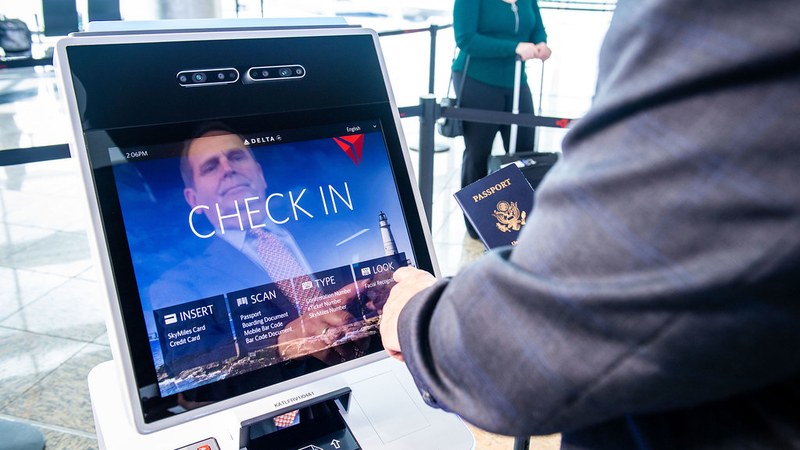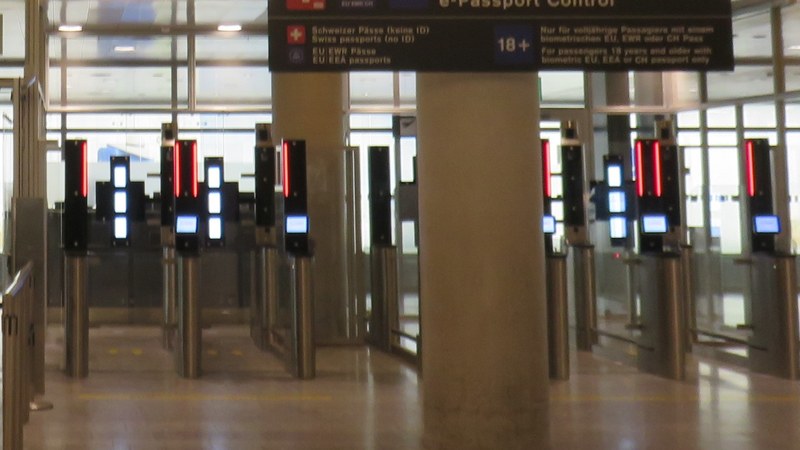
Air Canada passengers can now enroll via the airline’s mobile app to access a new facial verification biometric gate at Toronto Pearson International Airport. The pilot program includes a total of four biometric e-gates, featuring one domestic gate for Air Canada’s Canadian flights and three additional gates serving U.S.-bound passengers in Pearson’s transborder area, according to Mobile ID World.
Biometric Gates, Enrollment, and Technology Providers
The domestic biometric gate requires passengers to opt in through Air Canada’s app before approaching the gate, where a camera captures a live facial image. This image is matched against a traveler record stored in Air Canada’s identity gallery, enabling a
successful facial match to replace the need to show a passport and boarding pass at the gate. In contrast, the three transborder gates utilize images obtained from U.S. border preclearance processes, eliminating separate enrollment requirements for U.S.-bound travelers.
Dormakaba supplies the physical biometric gate hardware installed at Toronto Pearson. Middleware connecting these gates to the respective identity systems is provided by Airsphere and SITA. Air Canada manages the domestic enrollment software and maintains the identity gallery for passenger records.
Voluntary Participation and Passenger Statistics at Toronto Pearson
The biometric gate pilot remains voluntary for travelers, with traditional document verification methods continuing alongside the new technology. Toronto Pearson International
Airport currently serves about 47 million passengers annually. The airport projects this figure will rise to approximately 65 million by the early 2030s.
As part of the pilot, Pearson is monitoring the adoption rate, processing times, passenger throughput, and customer satisfaction for biometric gate use, aiming to evaluate the efficiency of facial recognition in streamlining boarding.
Background and Modernization Efforts
This pilot builds on Air Canada’s prior mobile-based traveler identity initiative that linked smartphone enrollment with facial recognition at the airport. Additionally, a similar biometric boarding rollout using selfie onboarding is operational at Calgary Airport.
Toronto Pearson is integrating digital identity and automated passenger
processing technologies within a broader modernization plan. The objective is to manage the anticipated growth in passenger volumes while maintaining efficient processing. The current pilot focuses exclusively on the boarding phase, demonstrating two enrollment methods: one through a mobile airline app and the other utilizing a pre-existing government-trusted traveler record for passenger verification.