Air Canada began a biometric facial verification pilot on September 14, 2026, at Toronto Pearson International Airport, enabling passengers to enroll via the airline’s mobile app to use automated boarding gates.
Biometric Gates and Enrollment Process
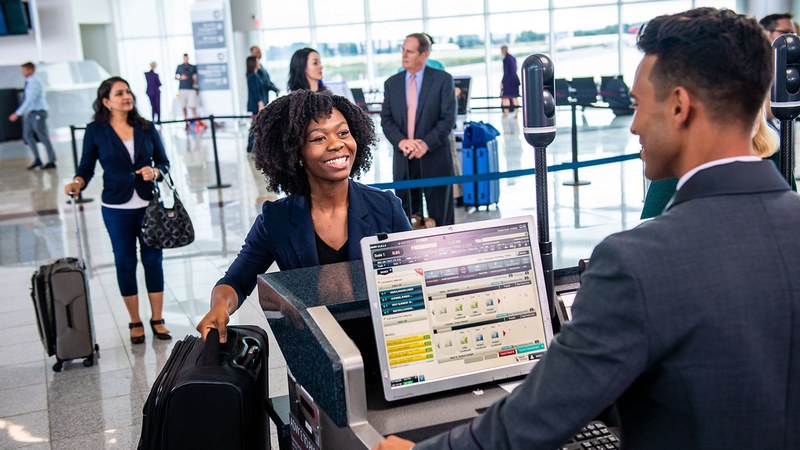
The pilot includes four biometric e-gates at Pearson: one serving domestic flights and three dedicated to transborder flights to the United States. Passengers on domestic routes must opt in through the Air Canada app before approaching the gate, where a camera captures a live facial image and matches it against the airline’s identity gallery to replace the need to present a passport and boarding pass.
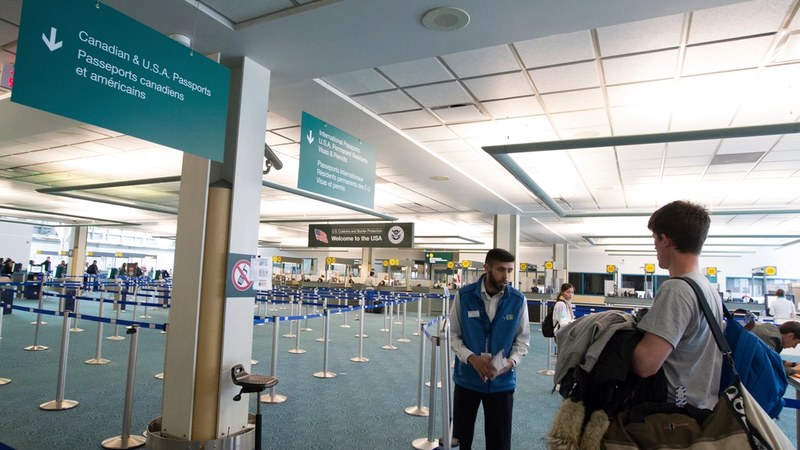
For US-bound travelers, the
system connects to American border preclearance data already collected at Pearson, allowing biometric verification at the three transborder gates without prior passenger enrollment. The biometric gates are supplied by Dormakaba, with Airsphere and SITA providing middleware linking the gates to identity systems. Air Canada supplies and operates the domestic enrollment software and maintains the associated identity gallery.
Pilot Operation and Monitoring
The biometric pilot remains voluntary; traditional document checks are still available for all passengers. Toronto Pearson is monitoring adoption levels, processing times, passenger throughput, and customer satisfaction to evaluate the pilot’s effectiveness.
Background and Future Implications
Toronto Pearson handles approximately 47 million passengers annually, with projections to
grow to 65 million by the early 2030s. The biometric gate deployment is part of the airport’s broader modernization efforts to handle increased passenger volumes efficiently. This pilot builds on Air Canada’s previous mobile-based facial recognition initiatives, extending smartphone enrollment technology into automated boarding gates. The pilot currently focuses exclusively on the boarding stage and demonstrates the integration of mobile app enrollment and government travel data for biometric verification.