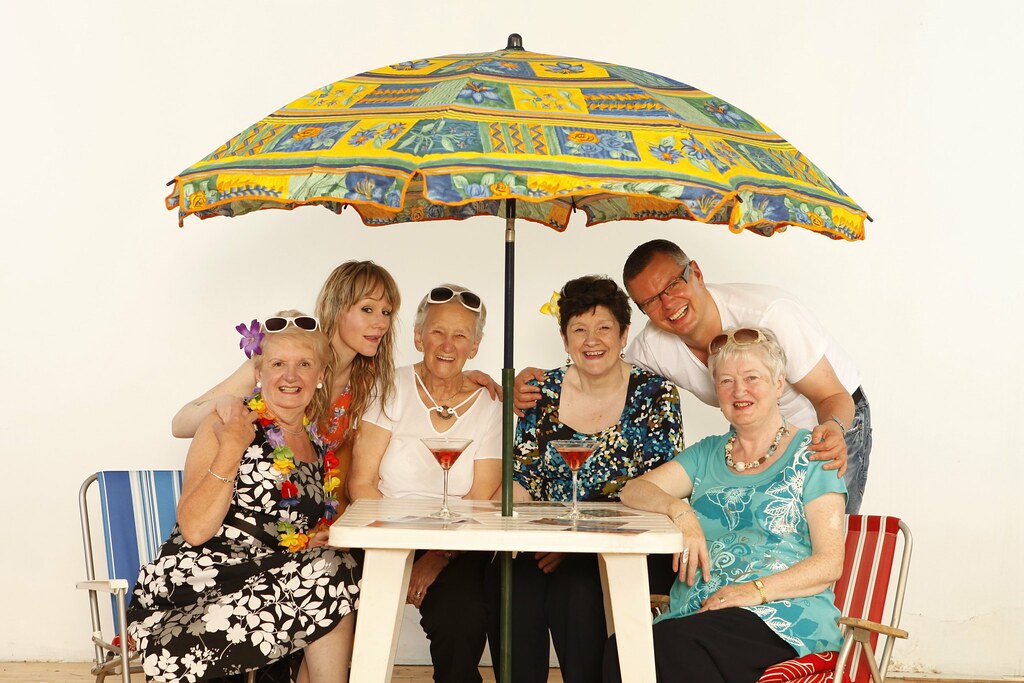
Adult Playcations: A Shift in U.S. Summer Travel Preferences
Emerging prominently in 2026, adult playcations have become a defining leisure travel trend across the United States. Unlike traditional family vacations or business travel, adult playcations prioritize experiences centered around relaxation, entertainment, and social engagement designed exclusively for grown-up travelers. This evolution in travel style reflects changing priorities among American travelers who are increasingly seeking vacations that blend recreation with a chance to unwind in adult-focused environments.
What Constitutes an Adult Playcation?
Adult playcations typically refer to vacations tailored to maximize leisure and enjoyment without the presence of children or family-oriented programming. Popular features include adults-only resorts, curated nightlife, poolside enjoyment with cocktails, and immersive
recreational activities like spa treatments, entertainment shows, and specialized tours focusing on cultural or culinary experiences. This approach presents opportunities for travel suppliers to innovate offerings that emphasize fun and relaxation in refined settings.
Experiential Offerings and Destinations Gaining Traction
Key urban and coastal destinations have embraced the adult playcation trend by developing enhanced leisure amenities and exclusive venues. Locations known for vibrant nightlife, fine dining, and luxurious accommodations are increasingly positioning themselves as hotspots for adult travelers seeking unique escapes. This focus involves not only upgrades in infrastructure but also thoughtful programming designed to facilitate social interaction and personalized experiences.
Influences on Booking Patterns and Traveler Behavior
Leisure travel patterns in the
U.S. summer season indicate a growing preference for shorter, experience-rich stays that align with the adult playcation ethos. Travelers are gravitating toward packages and accommodations that allow for flexibility, socializing, and prioritizing enjoyment over traditional sightseeing or family activities. These evolving behaviors are encouraging travel agents and online platforms to adjust marketing and product development strategies accordingly.
Hospitality Industry’s Response to Adult Playcation Demand
The hospitality industry is adapting to the rise of adult playcations through targeted investments in property redesigns, themed programming, and exclusive services. Many hotels and resorts are reimagining their spaces to include adults-only pools, wellness centers, cocktail bars, and entertainment venues. Event planners
are also curating adult-focused events that complement these travel experiences, driving occupancy and enhancing guest satisfaction.
Cross-Sector Collaboration and Innovation
Beyond accommodations, the tourism ecosystem is witnessing collaborations between hoteliers, destination marketing organizations, and local entertainment providers to create integrated offerings. These partnerships aim to curate seamless itineraries that appeal directly to this growing market segment, leveraging cultural assets and leisure infrastructure.
Broader Context of U.S. Summer Travel in 2026
The rise of adult playcations is part of a broader reconfiguration in U.S. summer travel preferences, influenced by demographic shifts, economic considerations, and evolving lifestyle trends. While family travel remains significant, the appeal of adult-centered vacations illustrates diversification in demand. This trend
underscores a sector in transition, where leisure travel is increasingly personalized and experience-driven.
Implications for Travelers and the Tourism Sector
American travelers can expect a wider array of options specifically designed for adult experiences, from boutique resorts to thematic urban escapes. For industry stakeholders, staying attuned to these changing preferences offers opportunities for product differentiation and enhanced customer engagement. Continued monitoring will be essential to track how adult playcations influence travel timelines, spending habits, and destination competitiveness in future seasons.