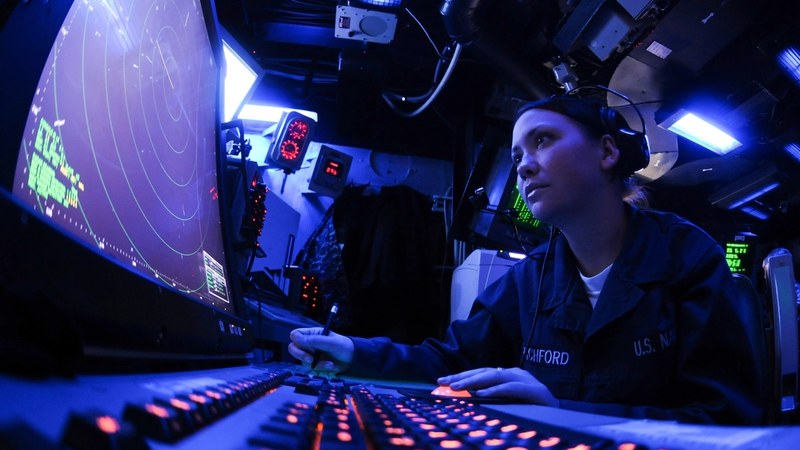
The Federal Aviation Administration (FAA) lifted a ground stop at Chicago O’Hare International Airport (ORD) on Tuesday, November 24, 2026, following an outage in surface radar equipment. The ground stop began at 3:06 p.m. CST and ended at 4:02 p.m. CST, temporarily halting inbound flights to the airport due to an outage of the ASDE-X system that tracks aircraft and vehicles on runways and taxiways.
Ongoing ground delay program extends until 11:59 p.m. CST
Although the ground stop was lifted, the FAA implemented a ground delay program for arrivals from 4 p.m. CST through 11:59 p.m. CST on November 24. Under this program, flights destined for O’Hare receive delayed
departure times at their origin airports to manage inbound traffic. FlightAware recorded 245 delays and one cancellation at O’Hare by 5 p.m. ET that day. The FAA estimated average delays during the ground delay program at about 47 to nearly 50 minutes. “The airport is temporarily delaying some flights while technicians work to repair a piece of air traffic equipment,” the FAA said. It added that, “The issue is specific to O’Hare, and it does not impact all flights nor affect any other airports or FAA systems.”
Monday ground stop caused by TRACON staffing issues
O’Hare faced a separate ground stop the previous day, November 23, 2026, due
to staffing shortages at Chicago Terminal Radar Approach Control (TRACON). That ground stop started at 10:40 a.m. CST and was lifted around 12:15 p.m. CST. Unlike Tuesday’s radar outage, this was caused by controller availability constraints rather than equipment failure, marking two consecutive days of operational restrictive measures at O’Hare.
Thanksgiving travel volume and recent system disruptions
The disruptions came amid a record Thanksgiving travel period at O’Hare. The Chicago Department of Aviation projected nearly 1.67 million passengers at O’Hare during Thanksgiving week 2026, a 7% increase from the previous year, setting a new record. The FAA expects this week to be the busiest in 16 years.
Additionally, a nationwide telecommunications failure on November 13 had caused significant flight cancellations and delays across the U.S., highlighting challenges in air traffic control system reliability during peak travel seasons. FAA Administrator Bryan Bedford said controllers and safety professionals were working continuously to manage rising air traffic demand, while Transportation Secretary Sean Duffy emphasized safety priorities and efforts such as a Tiger Team and congestion-prediction platform to limit delays and cancellations.
Traveler impact and operational advice
Passengers on flights to Chicago O’Hare on November 24 should expect longer wait times and delayed departures due to the ground delay program lasting into the late evening. The
initial ground stop caused inbound flights to halt between 3:06 p.m. and 4:02 p.m. CST, with continued cascading delays resulting from the surface radar outage. Travelers were urged to monitor real-time airport conditions online to stay informed of ongoing delays. The FAA confirmed no impact to other airports or federal aviation systems beyond O’Hare.