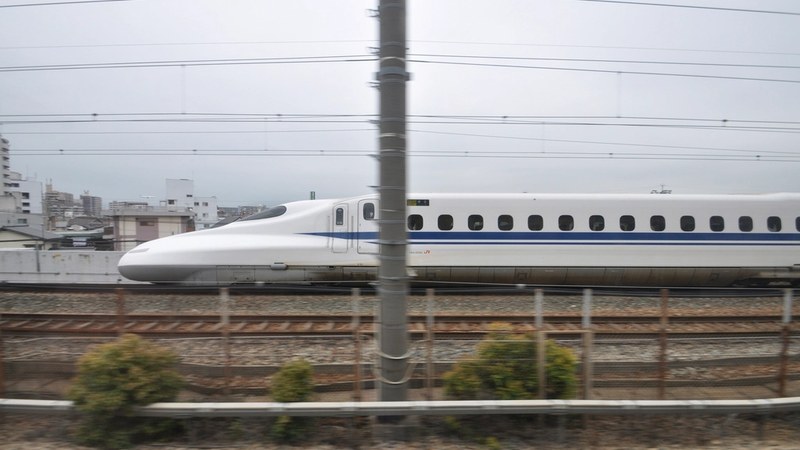
The Delhi-Mumbai bullet train project aims to reduce the current train travel time of nearly 15 hours and 40 minutes between the two cities to under six hours, linking major economic hubs across India.
Delhi-Ahmedabad Corridor Planning Progress
The Delhi-Ahmedabad high-speed rail corridor is planned to span approximately 886 kilometers, connecting Delhi with Gujarat through Haryana and Rajasthan. This corridor, detailed in a report by the National High Speed Rail Corporation Limited (NHSRCL), includes 15 proposed stations: Dwarka in Delhi; Manesar and Rewari in Haryana; Behror, Shahpura, Jaipur, Ajmer, Vijaynagar, Bhilwara, Chittorgarh, Udaipur, and Dungarpur in Rajasthan; and Himmatnagar, Gandhinagar, and Ahmedabad in Gujarat.
The entire route is proposed to be elevated.
The corridor follows existing rail and highway lines to reduce the need for private land acquisition, which has not yet begun. An NHSRCL official stated, “We have chosen this alignment (along the rail line and highway) to ensure that land acquisition is minimal. In such mega projects, maximum time gets spent in acquiring privately owned land. While the alignment is final, acquiring land is yet to begin.” The planned journey time is less than four hours compared to the current 14 hours by conventional train between Delhi and Ahmedabad.
Mumbai-Ahmedabad Corridor Underway
In contrast, the
Mumbai-Ahmedabad high-speed rail corridor spanning 508 kilometers is the only approved bullet train project currently under construction in India. Developed with Japanese technical and financial support, this corridor includes 12 stations across Maharashtra, Dadra and Nagar Haveli, and Gujarat. Trains are designed for maximum speeds of 350 km/h with operational speeds capped at 320 km/h. The fastest services are expected to cover the route in about two hours.
The Government of India expects to commence the first bullet train service on the Surat-Vapi section by August 2027. Despite facing delays in land acquisition and cost overruns, construction continues. The corridor
forms an important link between Mumbai—the financial gateway for domestic and international commerce—and Ahmedabad, part of a significant industrial belt.
Strategic Importance of Connecting Economic Regions
The envisaged high-speed rail corridors link Delhi and its National Capital Region, a hub for government, services, trade, and corporate activity, with industrial and commercial centers across Rajasthan, Gujarat, and Mumbai. Faster rail connections would facilitate same-day business travel and strengthen inter-city economic relationships.
Government Plans and Project Status
The national budget for 2026-27 announced seven new high-speed rail corridors but the Delhi-Ahmedabad corridor was absent. Instead, the Delhi-Varanasi corridor was included among the new projects. This exclusion reflects current government priorities and the project’s
lack of sanction, funding, clearances, and construction commencement.
The Railway Ministry has emphasized that project sanction depends on detailed project reports, technical and economic feasibility, and resource availability. Without these approvals, the Delhi-Ahmedabad corridor remains a long-term ambition rather than an imminent infrastructure project.
Detailed Route and Political Context
The Delhi-Ahmedabad alignment begins at Dwarka Sector 21 in Delhi, progressing through Chauma in Gurgaon, Ramprastha City Sector 37D, and following the Delhi-Jaipur railway line. It crosses the KMP Expressway and joins the Delhi-Jaipur highway near Shahjahanpur toll plaza at the Haryana-Rajasthan border. The proposed stations extend through multiple districts in Rajasthan before entering Gujarat.
Political
factors such as the Gujarat Legislative Assembly election scheduled for December 2027 could influence infrastructure discussions. The Delhi-Ahmedabad corridor may receive renewed attention during the election campaign due to its potential to enhance Gujarat’s connectivity with major economic hubs.