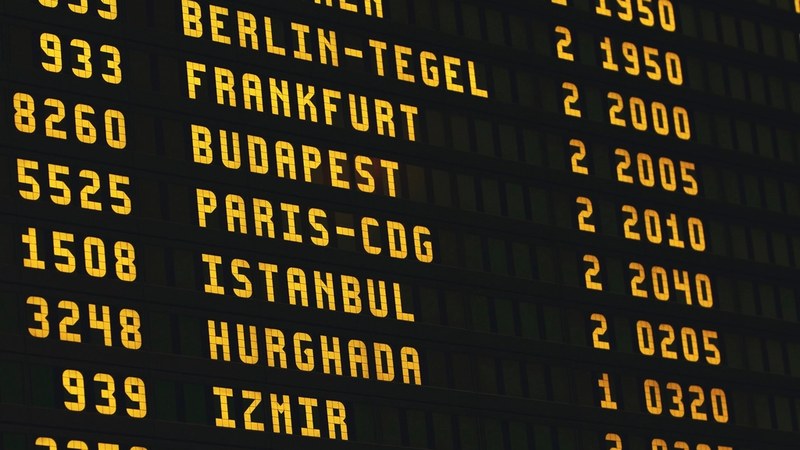
On November 16, 2026, the United States experienced continued disruption in domestic air travel with over 2,400 flights cancelled and nearly 8,800 delayed nationwide. This marks the third consecutive day of significant operational setbacks following an unprecedented air traffic control incident.
FAA Ground Stop Causes Major Weekend Disruptions
The flight issues began with a Federal Aviation Administration (FAA) nationwide ground stop issued on November 13, 2026, which halted nearly all departing flights across the country for close to five hours. This was the longest full ground stop in US air travel since the September 11 attacks in 2001. The fallout extended into the weekend as airlines cancelled
more than 6,400 flights and recorded over 8,000 delays on November 14, 2026, followed by over 2,300 cancellations and approximately 7,700 delays on November 15.
JetBlue and American Airlines Lead in Cancellations on November 15
On November 15, JetBlue faced the highest rate of flight cancellations, with 28% of its scheduled flights cancelled. American Airlines cancelled 17% of its flights. Other major carriers including United Airlines, Southwest, and Delta each cancelled between 3% and 5% of their flights on the same day, according to data from FlightAware.
Technical Failures Linked to Obsolete FAA Routers
The cause of the disruption originated from maintenance involving the replacement of routers at FAA air traffic control centers. A new router installed
by FAA contractor L3Harris at the El Dorado, Arkansas facility triggered data overload problems at a recently replaced router in Amarillo, Texas. This led to excessive data being broadcast from Amarillo, which overwhelmed other FAA routers nationwide. The FAA responded by disabling the “functionality of the originating routers” along with approximately 60 similar outdated routers purchased in 2001 and considered obsolete by 2006.
Officials Provide Updates and Funding Calls
US Transportation Secretary Sean Duffy reassured the public that there was no evidence of sabotage or cyberattack related to the router issues, describing the router installer as “a good American patriot, we believe, a veteran.” Duffy stated,
“But we don’t actually have the root cause” of the failure and forecast that flight operations would likely return to normal on November 16, 2026. He emphasized that passenger safety remained the FAA’s priority throughout the disruption.
US President Donald Trump publicly advocated for accelerated funding to modernize the air traffic system, calling for $50 billion in upgrades compared to $30 billion previously requested. Trump stated, “We have already started the work, but it should be done all at once, not in drips and drabs,” urging Congress to approve the funding promptly. Congress had approved $12.5 billion the previous year
for modernization efforts.
Aging Infrastructure and Staff Shortages Burden the US Air Traffic System
The incident has brought high attention to the challenges faced by the US air traffic control system, which operates with aging technology and suffers from a shortage of thousands of air traffic controllers. The widespread flight disruptions have intensified calls for comprehensive modernization and increased investment to prevent future system failures.