The Federal Aviation Administration issued a nationwide ground stop on November 14, 2026, that lasted around four hours and affected departures across the United States. The ground stop was lifted shortly before 7:30 p.m. local time but left a backlog of cancellations and delays at several major airports.
Flight Disruptions at Chicago O’Hare and Midway Airports
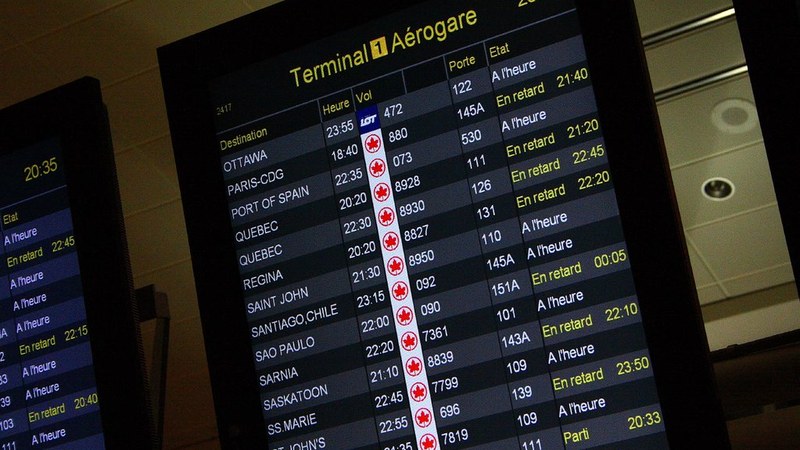
Chicago O’Hare International Airport faced 605 flight cancellations by 1:43 p.m. on November 15, 2026, with delays averaging 28 minutes that day. Chicago Midway International Airport had 72 canceled flights by the same time, with delays averaging 23 minutes on November 15 and an average of 65 minutes on the night of
November 14. Midway also canceled at least three flights for the next morning, November 15-16.
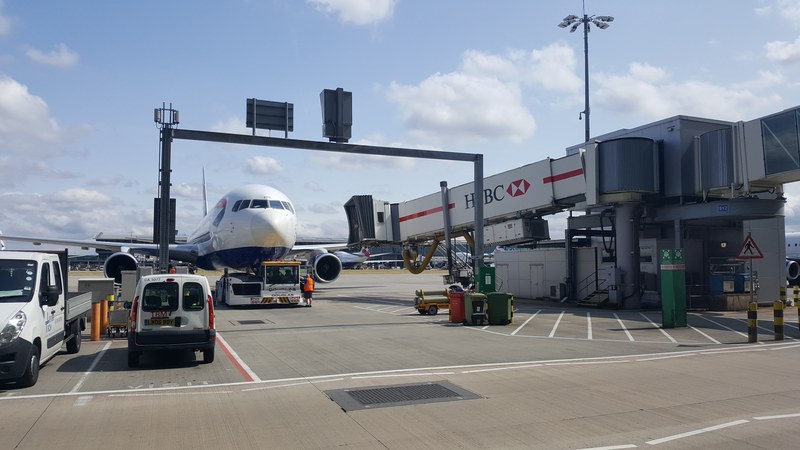
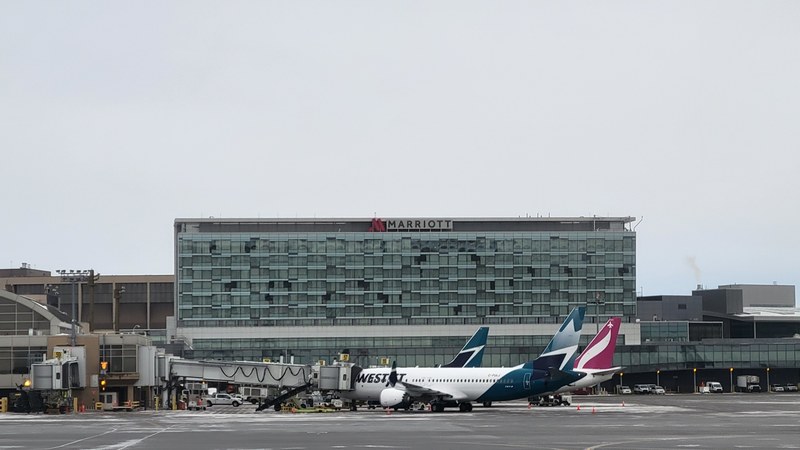
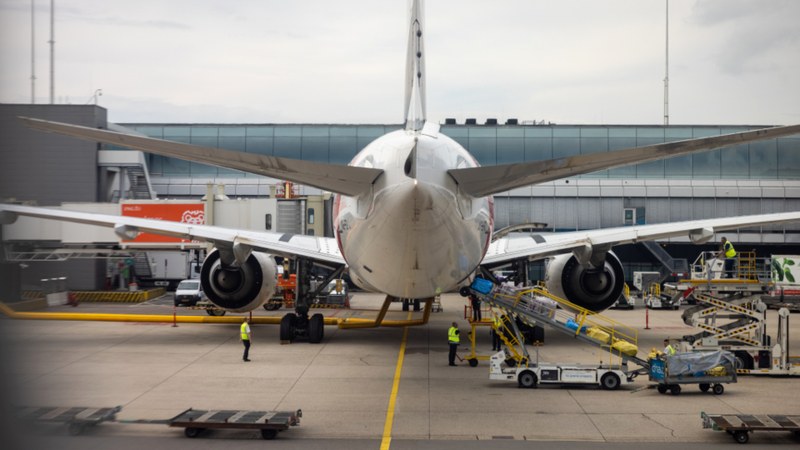
Flight disruptions began locally before the nationwide ground stop, with O’Hare implementing a ground hold at 2:10 p.m. and Midway following at 2:17 p.m. due to equipment outages. Hundreds of planes were held on runways awaiting gates, contributing to large crowds of stranded passengers at both airports.
FAA Communication System Failure Cited as Cause
Transportation Secretary Sean Duffy attributed the ground stop to failures in the FAA’s aging communications and radar systems, which he described as unstable and outdated. Duffy said the FAA system “didn’t meet the moment” and ruled out a
cyberattack as the cause, although Homeland Security officials said investigations were ongoing without current evidence of malicious interference.
The Chicago Department of Aviation clarified that local Chicago aviation infrastructure was not implicated in the FAA system failure. Mexico’s Federal Civil Aviation Agency imposed temporary flight restrictions as a precaution, while Canada’s Civil Air Navigation Service reported no impact on its systems. Air Canada canceled flights between Canada and the United States because of the disruption, and flights to Europe resumed earlier since they operate on different systems.
Passenger Impact and Travel Disruptions
Passengers experienced extensive delays, missed connections, and long waits both in terminals and
on aircraft tarmacs. Vivian Azeredo, a passenger whose Dublin-bound flight was canceled, reported losing contact with the tower mid-flight and enduring a 6.5-hour wait on the tarmac after landing. Another traveler, Gerard Hill, expressed frustration after being stranded overnight searching for luggage.
Stephanie Hugel missed a connection at Midway by two minutes and spent the night at the airport after arriving at 5 a.m. the following day. Dan Throm from Appleton, Wisconsin, and his son were stranded at O’Hare amid efforts to recover luggage and arrange transportation home while traveling to a college football game.
Passenger Johnny Barginear said flights
were repeatedly delayed but expressed relief at finally returning home. Tom McDonald called for an end to the disruption, urging cooperation beyond politics to resolve the situation.
Ripple Effects on International Flights and College Football
The ground stop’s fallout extended internationally, with Mexico enforcing temporary flight restrictions and Air Canada suspending U.S.-Canada flights. European flights resumed more quickly due to different operational systems.
Saturday’s college football schedule was affected, prompting rescheduling and delayed kickoffs. The Mississippi football game against Oklahoma was postponed from Saturday to Sunday. Major conferences including the SEC, Big Ten, and Big Twelve pushed back kickoff times to accommodate delayed teams. Some teams opted for
bus travel to avoid flight delays.
Ongoing Recovery Efforts and Expert Analysis
Airlines continue to rebuild schedules by repositioning crews and aircraft after the ground stop. Dr. Sheldon Jacobson of the University of Illinois described the event as the largest ground stop since September 11, 2001, highlighting the complex safety layers in air traffic control that, when disrupted, can cause widespread system paralysis.
Transportation Secretary Duffy emphasized the need for FAA system modernization to prevent future disruptions, calling the current equipment outdated. Despite the lifted ground stop, delays and cancellations linger as the air travel system works to return to normal operations.