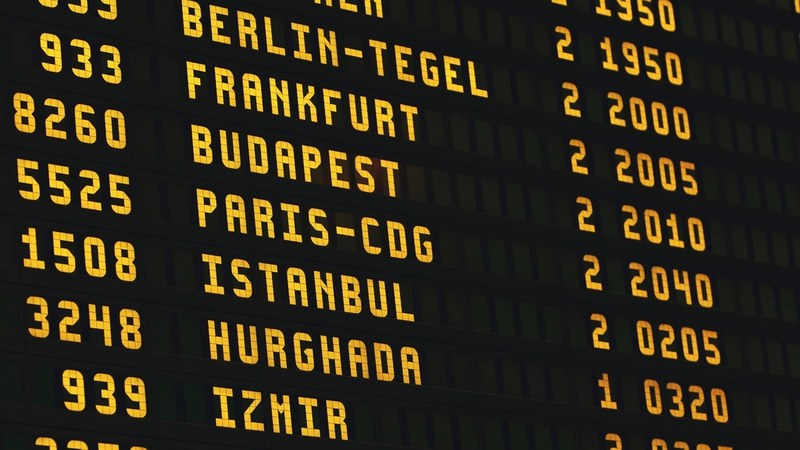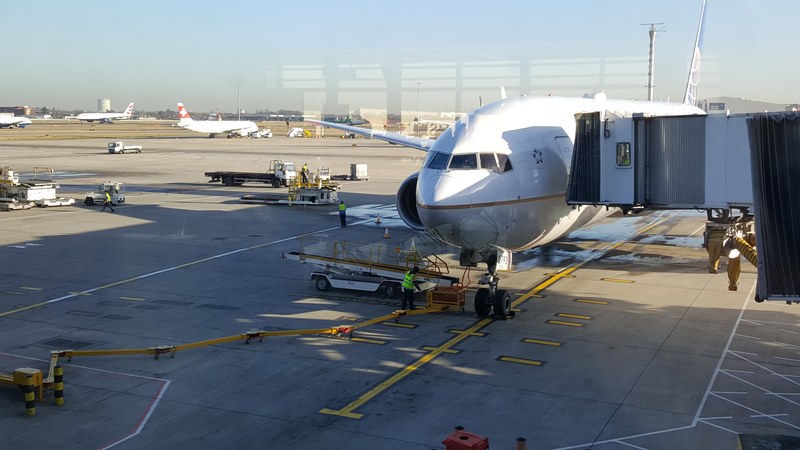
The US Federal Aviation Administration (FAA) imposed a nationwide ground stop lasting about four hours on November 13, 2026, due to communications failures at regional air traffic control centres. The stop resulted in roughly 10,000 flight cancellations to and from the United States, marking the longest US air traffic shutdown since the 9/11 attacks.
Flight Cancellations and Delays at London Heathrow and Gatwick
Flights to and from London Heathrow and Gatwick airports experienced significant disruption starting November 13 and extending into November 14. As of 9:45am GMT on November 14, Heathrow recorded 31 cancelled transatlantic flights to and from the US, accompanied by approximately 20 delayed departures. Gatwick cancelled
three inbound flights scheduled to arrive from Orlando, Florida at 7:30am on the same day. Virgin Atlantic cancelled its November 13 evening flight from Heathrow to New York JFK.
British Airways urged customers to arrive at the airport as planned to facilitate prompt departures despite delays, emphasizing the disruption was outside the airline’s control. “Our flights departing the United States may be delayed due to the ongoing air traffic control issue,” a spokesperson said. Virgin Atlantic confirmed they were closely monitoring the situation and advised travelers to verify flight status online.
Cause of Disruption: US Air Traffic Control Technology Failures
The ground stop was caused by failures linked to
upgrades in US air traffic control systems, where attempts to replace ageing copper wiring with fibre optic cables overwhelmed the existing infrastructure. This led to intermittent communication and radar outages across regional centres. US Department of Transportation Secretary Sean Duffy ruled out cyberattacks or rogue artificial intelligence as factors and described the incident as unintentional. Homeland Security Secretary Markwayne Mullin confirmed new technology overloaded the old system, warning similar outages could recur.
Eurocontrol, which manages air traffic for 42 member states including the UK, suspended all US-bound flights departing its member countries between 2200 UTC on November 13 and 0500
UTC on November 14 at the FAA’s request. Eurocontrol’s Network Manager Operations Centre monitored the incident and provided updates throughout the disruption.
Impact on Travelers and Ongoing Disruptions
The cancellations stranded thousands of passengers at Heathrow, Gatwick, and other UK airports. The UK Civil Aviation Authority (CAA) warned of continued follow-on disruptions as airlines work to rebook affected travelers and adjust schedules. Tim Johnson, CAA’s Consumer Director, stated: “While US flights have resumed, there may be some follow-on disruption as airlines work to re-book affected passengers and get all services back to normal.”
Authorities advised travelers scheduled for UK-US flights to confirm their flight status before
traveling to airports.
Official Responses and Outlook
British Airways emphasized its effort to minimize passenger disruption, stating: “Customers are advised to travel to the airport as planned so we can try to depart our aircraft as quickly as possible. This is entirely outside of our control and our teams are working hard to minimise any disruption to our customers.” Virgin Atlantic echoed this message, confirming active monitoring of flight statuses.
Sean Duffy noted the outage was unexpected but resolved by rebooting systems shortly after 1:30am GMT on November 14. He cautioned that similar incidents might occur in the future due to the complexities of
transitioning to modern air traffic control technology. The US airspace resumed normal operations, though disruptions from the initial incident were anticipated to persist over several days.