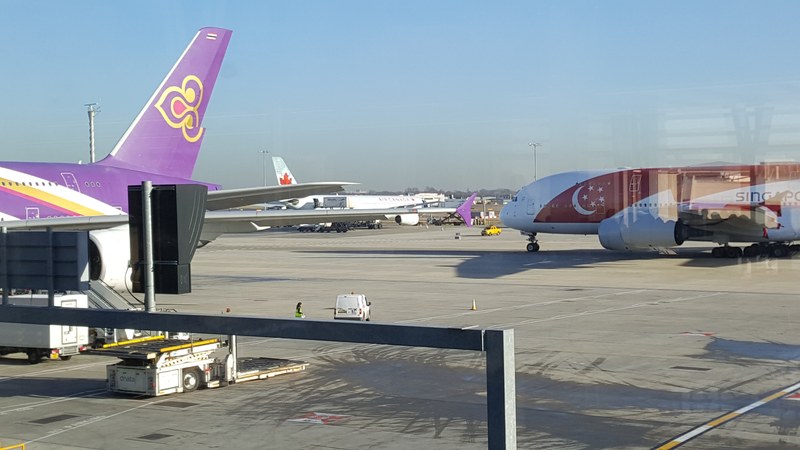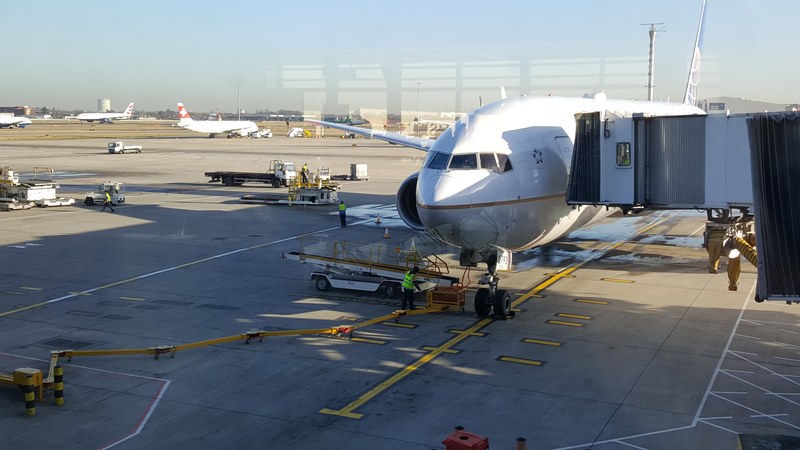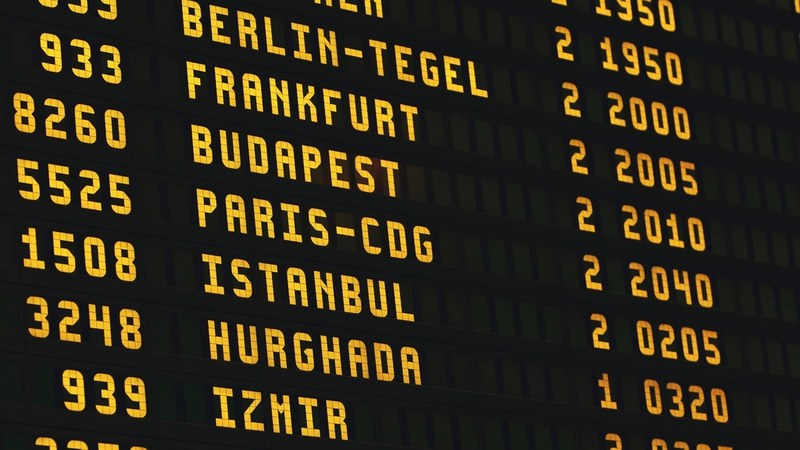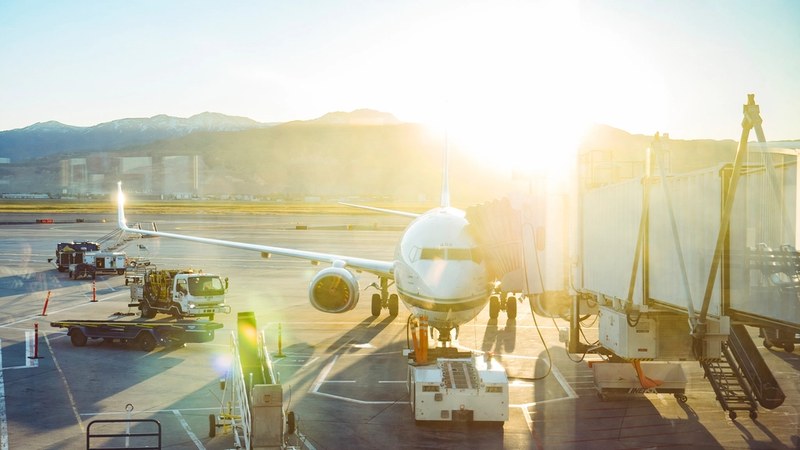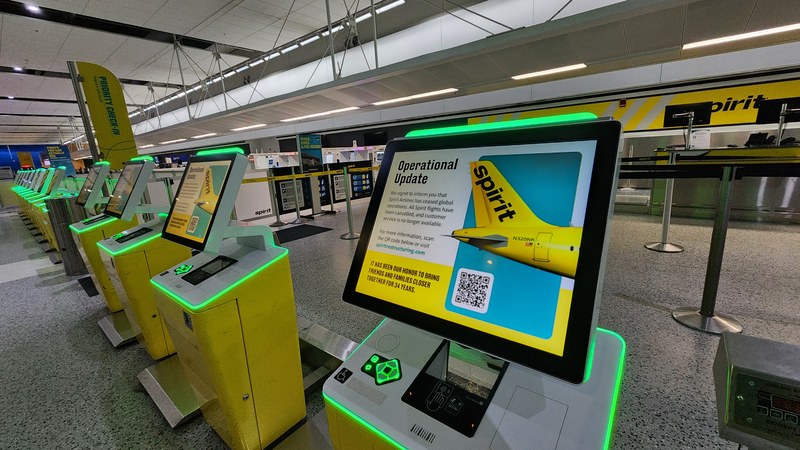
On November 13, 2026, the U.S. Federal Aviation Administration (FAA) issued a nationwide ground stop for all flights shortly after 4 p.m. EST due to communications failures at regional air traffic control centers. The ground stop, triggered by malfunctions affecting all Air Route Traffic Control Centers and failures of multiple backup systems, lasted approximately four and a half hours before airspace reopened around 8:15 p.m. EST. This marked only the second full ground stop in U.S. history since September 11, 2001, and the first since January 2023.
Flight Suspensions and Cancellations at Toronto Airports
Toronto Pearson International Airport suspended all flights to and from the U.S. during
the FAA ground stop. Following the lifting of the restriction, Air Canada announced via social media at 9:20 p.m. that it would gradually resume U.S.-bound flight operations, though delays and cancellations were expected to persist into Saturday. Billy Bishop Toronto City Airport cancelled all remaining U.S. inbound and outbound flights for the day. Both airports warned passengers that disruptions on U.S. routes continued as airlines worked to restore schedules.
NAV Canada and Canadian Government Response
Canada’s air navigation service provider NAV Canada reported its systems functioned normally during the FAA outage. It implemented and lifted traffic management measures at Toronto Pearson, Montréal–Trudeau, Calgary, and Vancouver airports
by 6 p.m. EST to maintain safe operations. Federal Transport Minister Steven MacKinnon said the Canadian government was closely monitoring the situation and remained in contact with NAV Canada, offering support to U.S. authorities managing the disruption.
Passenger Impact and Airport Assistance
Passengers experienced extensive delays and cancellations at Toronto Pearson, particularly in Terminal 3’s U.S. departures area. Some spent extended hours at the airport; for instance, traveler Corey Venier reported an eight-hour wait with uncertain departure times. Others, like Hannah Vollen, incurred unexpected costs with hotel stays estimated at $330 due to cancelled flights. Airports deployed additional staff to assist affected travelers. Toronto Pearson
advised passengers to verify flight status directly with airlines before arriving at the airport. Billy Bishop also urged travelers to check flight information, noting domestic flights were expected to operate normally while U.S. services remained disrupted.
Expert Commentary and Broader North American Impact
John Gradek, an aviation management professor at McGill University, described the disruption as a major one affecting all North American airspace, emphasizing that resuming full operations would take time, especially on a Friday peak travel day. U.S. Secretary of Homeland Security Markwayne Mullin confirmed there was no indication of an attack and that multiple FAA communication backup systems had failed. He noted that investigating
the cause and circumstances would be a priority. Former Air Canada COO Duncan Dee supported the FAA’s decision to ground flights to ensure safety.
Similar flight cancellations and disruptions also occurred at Montréal–Trudeau International Airport, where hundreds of U.S.-bound flights were affected earlier on November 13, 2026.
Despite the FAA’s airspace reopening, continued delays are expected at Toronto Pearson and other Canadian airports due to route congestion and the backlog of flights awaiting clearance to enter U.S. airspace.