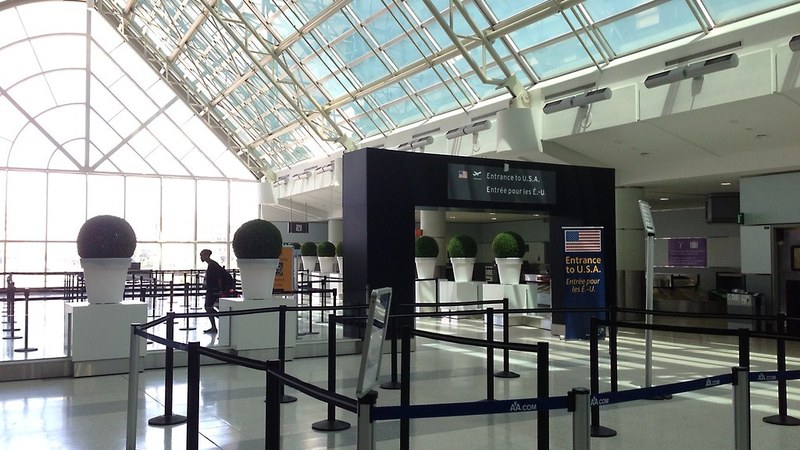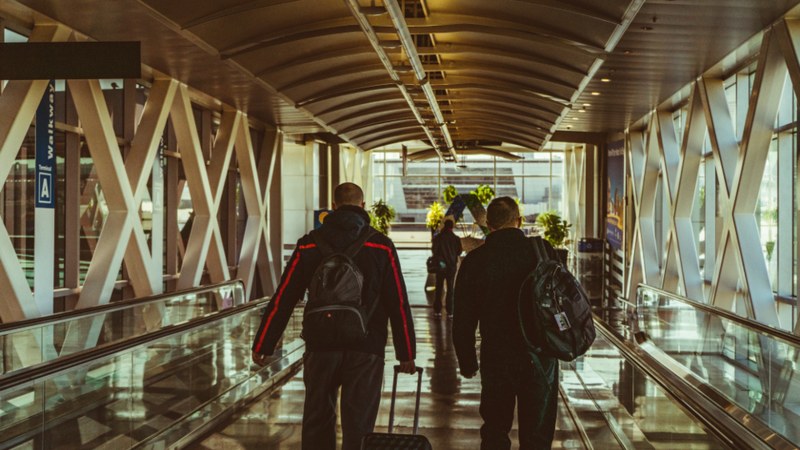
The Federal Aviation Administration issued a nationwide ground stop on November 13, 2026, halting departures across the United States for nearly four hours. The stoppage began shortly after 2 p.m. Central Time and was lifted shortly before 7:30 p.m. CST. This marked the second nationwide ground stop since the September 11, 2001 terrorist attacks and the first since January 2023.
Flight Cancellations and Delays at Chicago Airports
Following the FAA ground stop, major flight disruptions continued through November 14 at Chicago O’Hare and Midway International Airports. As of 1:43 p.m. CST on November 14, O’Hare had recorded 605 flight cancellations and Midway 72 cancellations. Flight delays averaged
28 minutes at O’Hare and 23 minutes at Midway, with delays increasing to an average of 65 minutes at Midway Saturday night. At least three flights scheduled for Sunday morning from Midway were canceled.
Passenger Experiences Amid Delays
Thousands of travelers faced long waits, missed connections, and crowded terminals. Gerard Hill and his wife, stranded at a Chicago airport while attempting to fly to Nashville, searched for their luggage amid mounting confusion. Hill said, “From last night, I don’t think I wanna get on a plane no more after this because I don’t know what’s going on actually. They said it was the FAA
communications, but I don’t know it really sounds weird.” Vivian Azeredo, whose flight to Dublin was canceled, recounted losing radio contact with air traffic control mid-flight and spending 6.5 hours on the tarmac before landing safely. Passenger Dan Throm from Appleton, Wisconsin, stranded at O’Hare while traveling to Oklahoma City, awaited transportation home and hoped to recover his bags. Stephanie Hugel missed a connection at Midway by two minutes and spent the night at the airport, describing the ordeal as “exhaustion mainly.” Other travelers like Johnny Barginear expressed relief upon finally returning home.
Technical Cause and FAA Response
Transportation Secretary Sean Duffy attributed the ground
stop to a failure during an upgrade of the FAA’s outdated communications equipment. At 2:10 p.m. on November 13, a ground stop was implemented at O’Hare due to this equipment outage, followed by a ground stop at Midway at 2:17 p.m. Duffy denied the incident was a cyberattack, stating, “We don’t believe this was cyber at all. This was an FAA system that didn’t meet – didn’t meet the moment.” Homeland Security officials indicated they do not believe a cyberattack occurred but have not ruled it out entirely. The Chicago Department of Aviation confirmed its city infrastructure was not involved
in the affected FAA communications systems.
Operational Impact and Sports Disruptions
Airlines began rebooking passengers and reassembling crews after the ground stop was lifted, though delays and cancellations persisted. Long lines for baggage claim, rental cars, and hotel rooms that quickly sold out added to the operational challenges. The disruption affected college football travel, prompting at least one game between Mississippi and Oklahoma to be rescheduled from Saturday to Sunday. The SEC, Big Ten, and Big Twelve conferences delayed kickoff times for some games to accommodate teams experiencing travel delays, with some opting for bus travel instead of flights.
Wider Aviation and International Effects
Mexico’s Federal Civil Aviation Agency imposed
temporary flight restrictions as a precaution related to the U.S. ground stop. Air Canada canceled flights between Canada and the U.S., although Canadian aviation authorities reported no impact on their systems. European flights resumed sooner due to their use of different flight management systems. Dr. Sheldon Jacobson of the University of Illinois noted the rarity and severity of the disruption, comparing it to the last nationwide ground stop on September 11, 2001, stressing how single-layer failures in aviation safety can lead to widespread system disruptions.