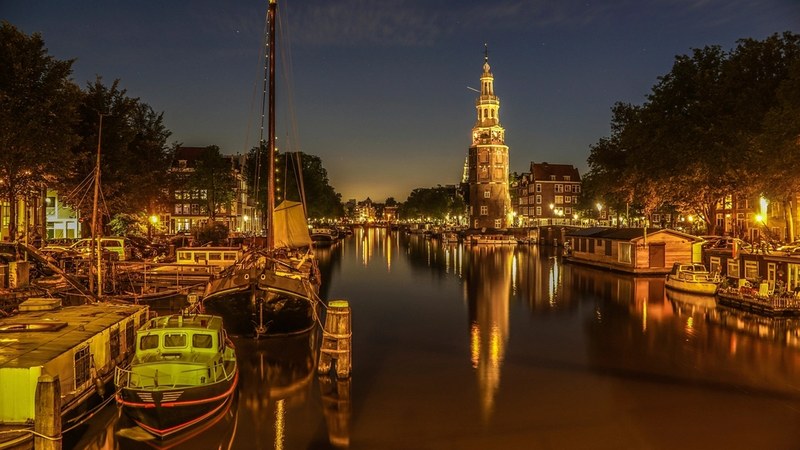
The Amsterdam City Council has approved an increase in the tourist tax from 12.5% to 16% starting in 2027. The left-wing PRO and centrist D66 aldermen coalition, led by Mayor Femke Halsema, plans to raise the tax by 1% annually until it reaches 20%. This decision was included in the city’s 2027 budget despite resistance from local businesses and cultural institutions.
Opposition from Hospitality and Cultural Sectors
Local hospitality entrepreneurs and cultural institutions have strongly opposed the tax hike. An open letter signed by 47 industry figures, including hospitality entrepreneur Won Yip and outgoing Corendon CEO Gunay Uslu, warned that increased accommodation costs could push visitors
to stay overnight outside Amsterdam while still visiting the city center during the day, reducing local spending. The letter stated, “If higher prices lead visitors to stay overnight outside Amsterdam instead, that does not mean those visitors stop coming to Amsterdam. They will still visit the city center during the day but would ultimately spend less money there.”
Cultural organizations expressed concerns over the impact on major events such as the Holland Festival, which features about 90% international artists. A spokesperson for the festival noted that the rise in VAT and tourist taxes directly affects the festival’s artistic budget, forcing
a choice between cutting programs or raising prices.
City Officials Defend Tax Hike
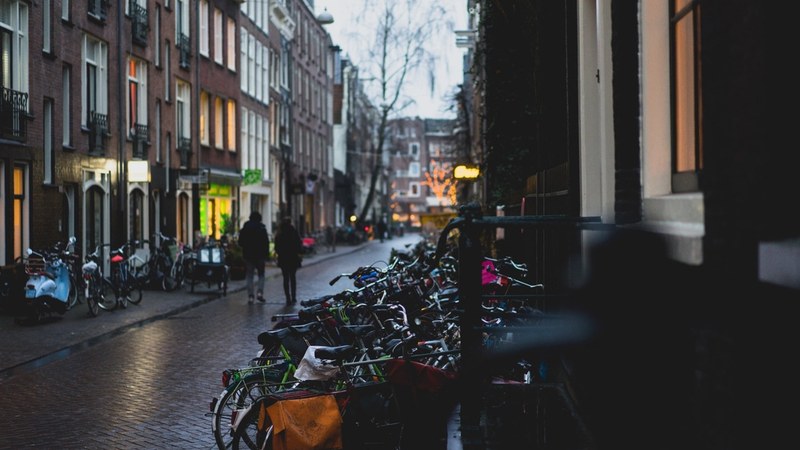
Mayor Femke Halsema emphasized the need to address over-tourism, following a record 21 million visitors to Amsterdam last year that strained the city’s most densely populated neighborhoods. Alderman Melanie van der Horst stressed that additional revenue is essential for municipal services including waste collection. She cited city-commissioned research indicating that the tax increase will reduce visitor numbers without compromising financial resources.
However, opposition voices criticized the policy. VVD council member Myron van Gerhardt argued the tax hike might deter the types of tourists desired by the city while failing to reduce disruptive
visitors. He questioned the coalition’s motives, stating the hikes could be a tool to reduce visitor numbers or simply raise more money, adding that noisy tourists continue to bother residents.
Impact on Tourists and Cultural Events
The tax increase will raise accommodation costs for visitors starting in 2027, potentially shifting overnight stays to suburbs or neighboring municipalities. This shift could negatively affect downtown businesses and cultural venues dependent on tourist spending. Industry figures cautioned that this trend might jeopardize the ability to attract international artists and speakers, as seen with the Holland Festival’s funding challenges.
These changes come as Amsterdam’s hospitality and cultural sectors continue to
recover from the effects of the coronavirus pandemic, facing increasing operating costs including higher VAT and local taxes.
Political Alternatives to the Tax Raise
Opposition parties VVD, CDA, and JA21 proposed an amendment to replace the percentage-based tourist tax with a fixed rate of 14.50 euros per person per overnight stay. This fixed tax aims to target wealthier tourists likely to afford the fee while encouraging less disruptive visitors, responding to concerns raised by the hospitality and cultural industries.
Despite opposition efforts, the coalition of PRO and D66 aldermen maintained support for their incremental tax plan to address over-tourism and fund city services.