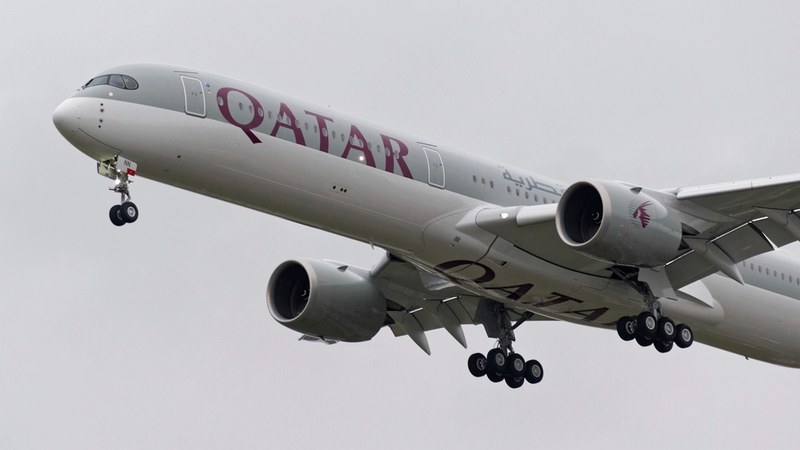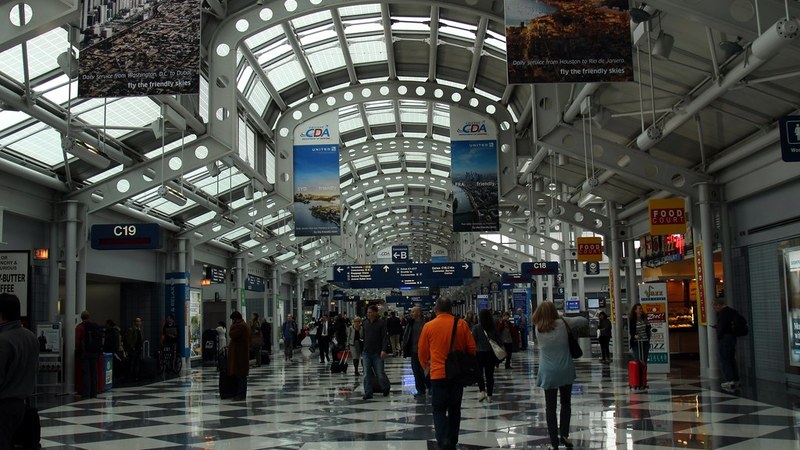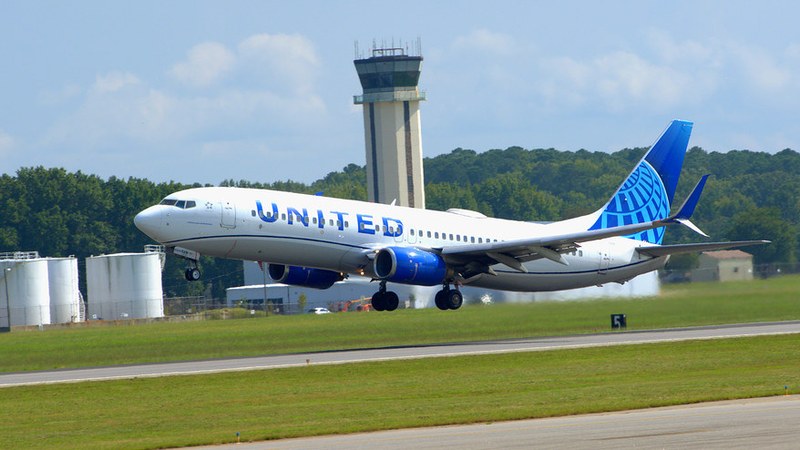
The U.S. Federal Aviation Administration (FAA) issued a nationwide ground stop for all flights around 4 p.m. Eastern Time on November 13, 2026, citing communications issues at regional air traffic control centers. This marked the first nationwide grounding in the U.S. since January 2023 and only the second since September 11, 2001. The ground stop lasted more than four hours and was lifted at approximately 8:15 p.m. Eastern Time the same day.
As a result of the FAA directive, Canadian airports including Toronto Pearson International Airport, Montreal-Trudeau Airport, and Calgary International Airport suspended all flights bound for the United States
on November 13. Air Canada and Porter Airlines cancelled all remaining U.S.-bound and inbound flights at Toronto Pearson and Billy Bishop Toronto City Airport respectively. Calgary International Airport cancelled its entire schedule of U.S.-bound flights for the day and anticipated continued delays on other routes.
Passenger Impact at Canadian Airports
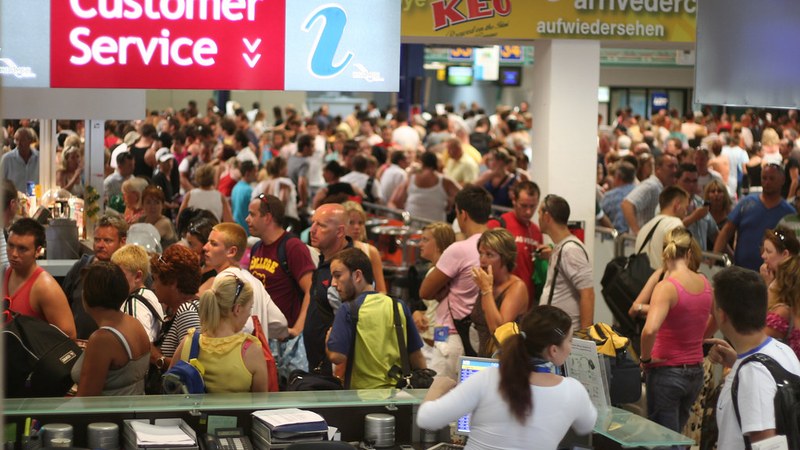
Passengers at Toronto Pearson faced long waits amid cancellations and uncertainty. Some travelers spent hours waiting without clear information, with cases of passengers sitting on floors or scrambling for rebooking options. Toronto Pearson deployed additional staff and resources in its U.S. departures area to assist affected passengers. At Calgary airport, cancelled flights stranded travelers, with
some incurring extra expenses like hotel rooms and rental cars. Passenger Naji Zuain, whose Calgary to Denver flight was cancelled, was rebooked for a departure at 9 a.m. on November 14.
Montreal-Trudeau also experienced flight suspensions affecting U.S.-bound traffic, and the Vancouver Airport Authority warned of expected ongoing cancellations and delays for flights to the U.S. and Mexico beyond the initial disruption.
Resumption of Operations and Official Responses
Following the FAA’s announcement lifting the ground stop at 8:15 p.m. Eastern Time, Canadian airports and airlines including Toronto Pearson and Air Canada began gradually restoring U.S.-bound flights. Air Canada posted updates on social media at 9:20 p.m.
indicating a phased return to normal operations, though impacts on flights were expected to continue into November 14.
NAV Canada, responsible for air navigation in Canadian airspace, stated it would maintain safe and efficient traffic flow but warned of ongoing delays while operations normalized. Canada’s Federal Transport Minister Steven MacKinnon expressed readiness to support U.S. aviation authorities during the situation.
U.S. Transportation Secretary Sean Duffy emphasized there was no guarantee the communications failure would not recur. U.S. Homeland Security Secretary Markwayne Mullin confirmed the incident posed no risk to lives or flights and found no evidence of a cyberattack. He
explained that not only did the main system fail, but the backup and backup-of-backup systems also malfunctioned.
Cause and Context of the FAA Ground Stop
The FAA grounded all U.S. flights due to communications failures at regional air traffic control centers, citing “extraordinary circumstances and for reasons of safety.” The failure involved both primary and multiple backup systems tied to air traffic control communications. FAA has been installing new equipment to modernize aging air traffic control systems, which overwhelmed older infrastructure.
Such nationwide ground stops have been rare. Besides the current event on November 13, 2026, one previously occurred in January 2023 due to a critical FAA computer
glitch, and the first was instituted after the September 11, 2001 attacks.