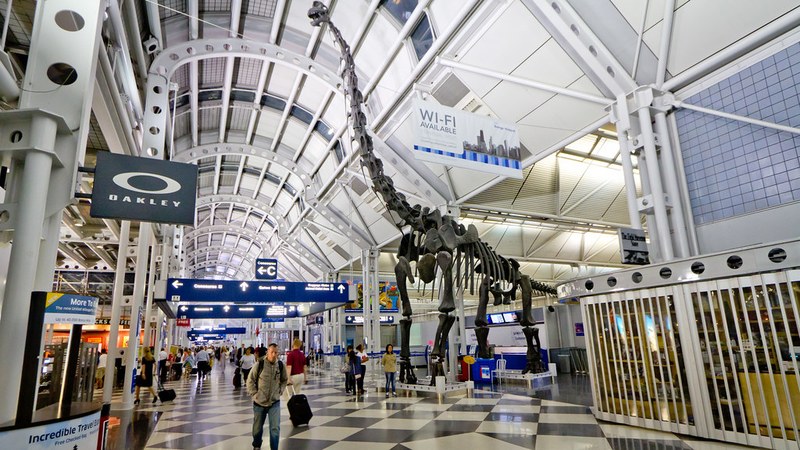
The Federal Aviation Administration (FAA) imposed a rare nationwide ground stop on November 13, 2026, halting all flight departures across the United States due to communication failures at regional air traffic control centers. The restriction, which affected hundreds of flights, caused extensive delays and cancellations at Chicago’s O’Hare and Midway International Airports.
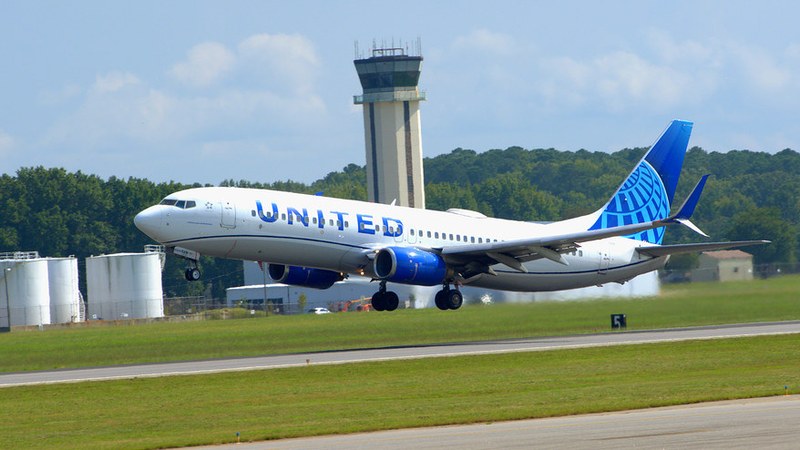
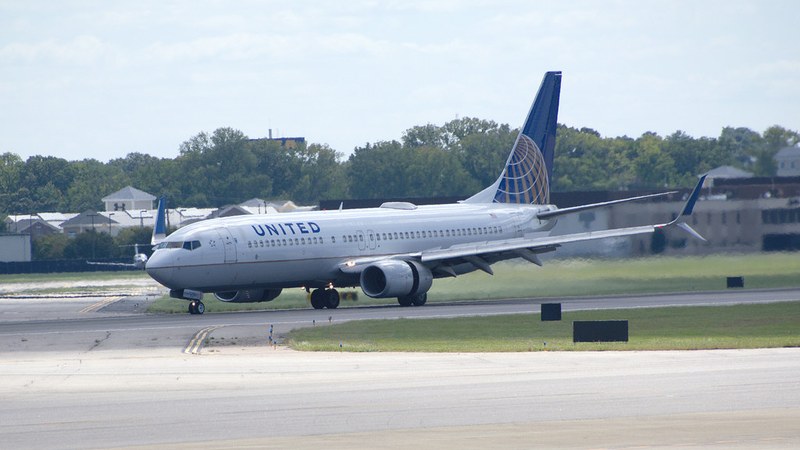
The ground stop was lifted around 7:30 p.m. Central time, but by 9:30 p.m., roughly 900 flights remained delayed and over 800 were canceled at the two Chicago airports, predominantly at O’Hare. United Airlines and American Airlines were among the carriers impacted. United acknowledged a significant number of
cancellations but had resumed some scheduled Friday night flights, issuing travel waivers valid through the weekend. American prioritized remaining Friday flights to non-hub cities and international routes while preparing for continued disruptions into Saturday.
Passenger Experiences Amid Airport Congestion
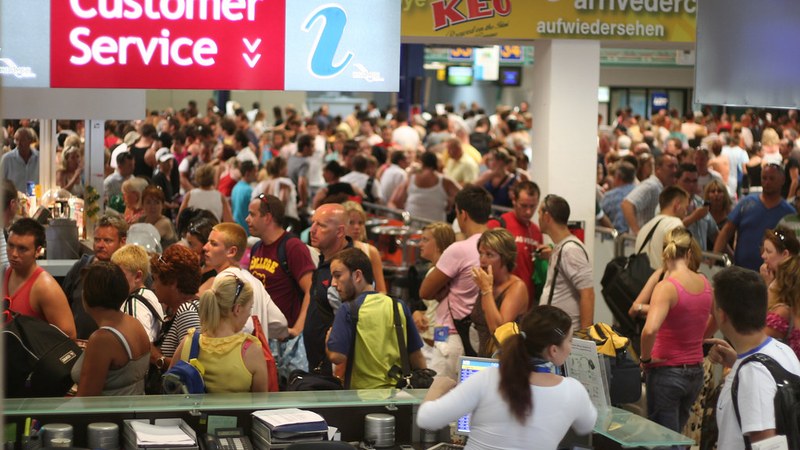
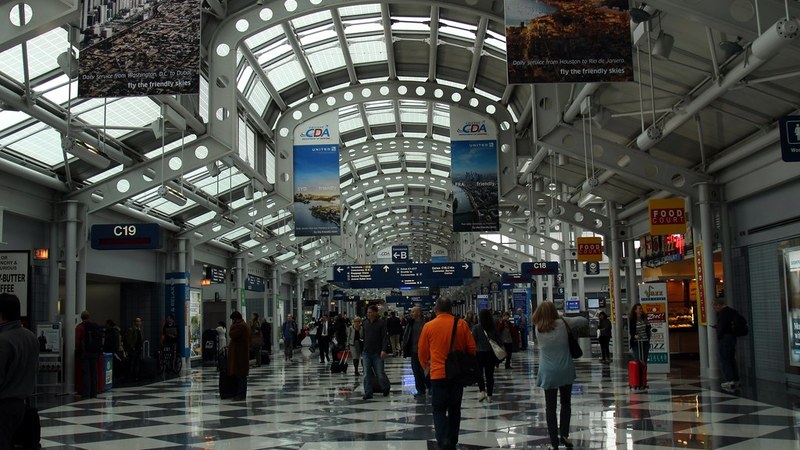
The grounding resulted in severe congestion at O’Hare terminals, with extensive queues and gate area overcrowding described by passenger Shawntell Sharrock as “chaos.” Sharrock, en route to Ohio, said security presence and frequent announcements added to the confusion, with no consistent communication about flight resumptions. Similar conditions were reported by travelers across terminals where many waited for hours. Passenger Pankti Patel, whose original flight was scheduled
for 1:30 p.m., abandoned her plans to visit Napa Valley after prolonged delays and returned home. Others, like Danitra Haynes, anticipated disruptions in advance and arranged accommodations nearby.
Official Statements and Cause of Disruption
The FAA attributed the nationwide ground stop to “extraordinary circumstances and for reasons of safety,” describing the root problem as a telecommunications outage affecting all U.S. Air Route Traffic Control Centers. Secretary of Homeland Security Markwayne Mullin confirmed there was no indication the failure resulted from a cyberattack. Mullin emphasized safety and reassured the public, stating, “this was a nefarious attack against us. It’s just a telecommunications outage.” Airlines were encouraged to
accommodate passengers with travel waivers and continued adjusting flight operations accordingly.
United Airlines stated it was “resuming operations, including some planned Friday night flights,” while warning of ongoing disruptions expected Saturday. American Airlines noted it was prioritizing flights and repositioning crews to stabilize services but anticipated residual delays and cancellations. Aviation expert Steve Arroyo linked the outage to outdated communication infrastructure, noting the potential risks of allowing aircraft to fly when communication systems are impaired.
Investigation and Modernization of Air Traffic Control
The FAA is investigating the telecommunications failure and its possible connection to the recent nationwide rollout of an artificial intelligence system intended to identify problems
and reroute flights. The AI system operates remotely near Washington, D.C., sending recommendations to control centers but is not directly involved in communications. Congress approved $12.5 billion in 2025 toward modernizing the outdated air traffic control infrastructure, which relies heavily on aging equipment such as copper wires and older radio systems. However, experts estimate an additional $30 billion is required to complete the overhaul.
Such nationwide ground stops are rare; the last occurred in January 2023 due to an FAA computer malfunction, and previously only after the September 11, 2001 attacks. This incident marks a significant disruption in U.S. air
travel, highlighting persistent vulnerabilities in communication and control systems essential for aviation safety.