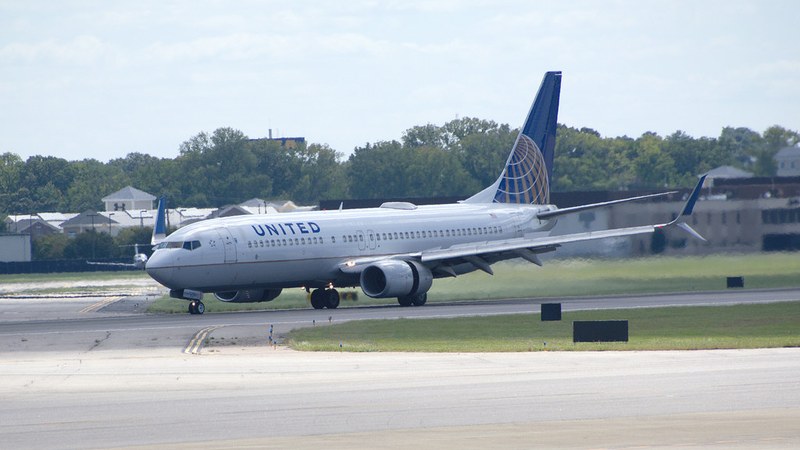
The Federal Aviation Administration (FAA) issued a nationwide ground stop at about 4 p.m. Eastern Time on November 13, 2026, halting all departing flights across the continental United States for over four hours. The ground stop was lifted at 8:15 p.m. ET after extensive disruptions.
During the ground stop and its aftermath, more than 11,000 flights were delayed or cancelled, affecting approximately 1.5 million passengers. Around 600 flights were diverted, including 104 flights sent to alternate airports to handle the operational strain.
Cause of the Ground Stop
The FAA attributed the nationwide halt to overloaded telecommunications routers that caused communication system failures at multiple Air
Route Traffic Control Centers. These centers manage high-altitude flight guidance across U.S. airspace. FAA described the incident as “extraordinary circumstances” leading to a safety-motivated ground stop. Officials confirmed there was no evidence of a cyber attack or hostile action.
Airports and Airlines Impacted
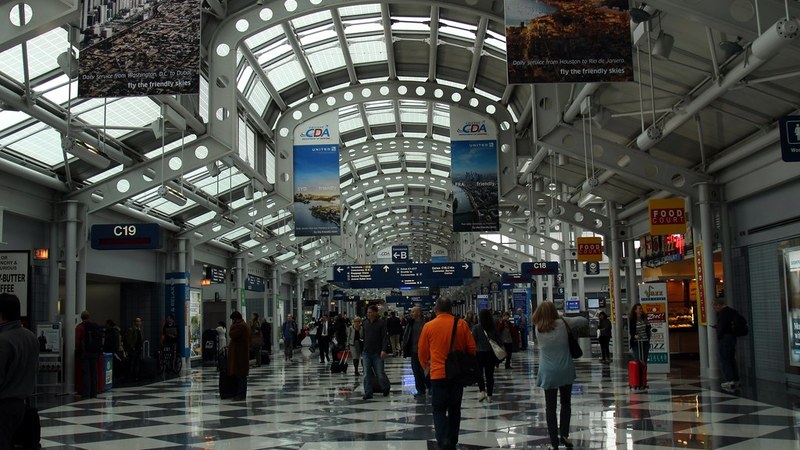
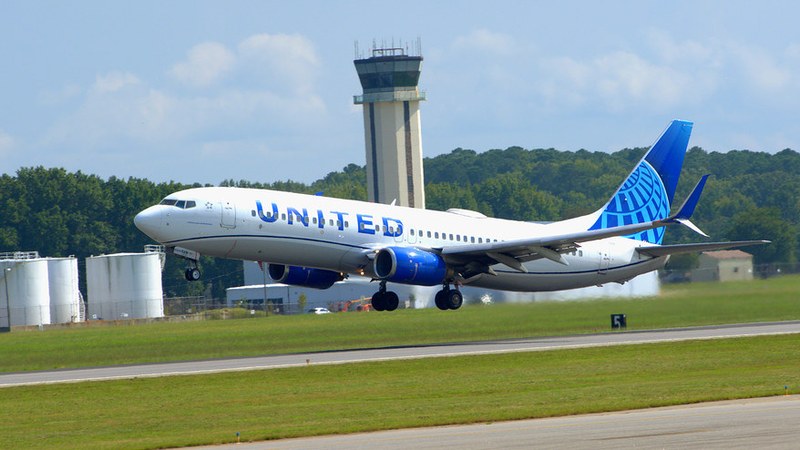
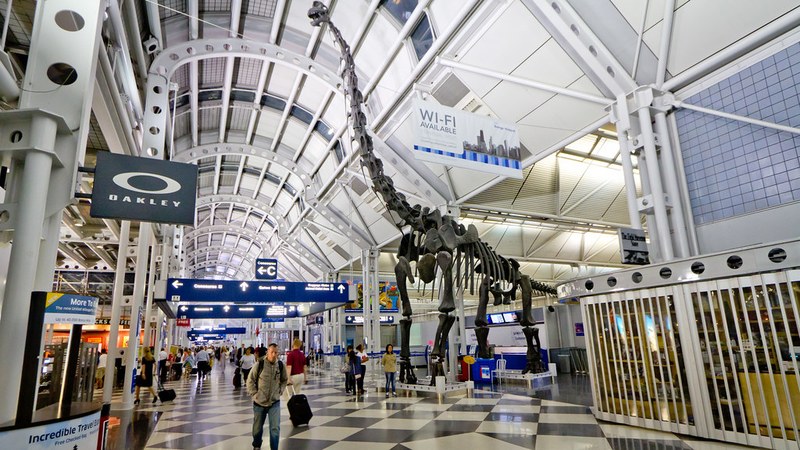
Major airports affected included Chicago O’Hare International Airport, Chicago Midway Airport, Houston airports, Orlando International Airport, and several California airports. Airlines such as American Airlines, United Airlines, Southwest Airlines, and JetBlue Airways faced significant operational challenges rerouting passengers and crews.
JetBlue Airways cancelled all remaining flights on November 13 except European routes and also cancelled some flights scheduled for November 14
to reposition crews and aircraft. International flights departing from U.S. coastal hubs resumed before 6 p.m. ET on November 13 under case-by-case management.
Resumption of Flight Operations
The FAA conducted system stability testing before gradually lifting the ground stop at 8:15 p.m. ET on November 13. Flight departures then resumed in coordination with air traffic control facilities as they recovered, but delays and cancellations continued into the weekend.
Official Statements and Traveler Impact
U.S. Transportation Secretary Sean Duffy stated the telecommunications routers “went down” due to data overload. Homeland Security Secretary Markwayne Mullin said there was no indication the issue posed a threat to the United States and clarified
it did not appear to be a cyber attack, describing it as “mechanically driven.”
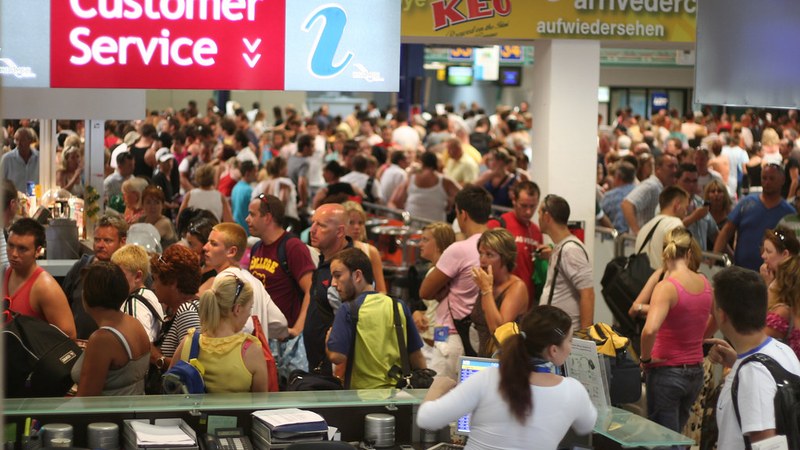
The FAA posted on social media that the ground stop was caused by a “temporary telecommunications outage” and was implemented “out of an abundance of caution.” The disruption left hundreds of thousands of travelers stranded, including sports teams, with some passengers stuck on planes on tarmacs. Airports had to manage the logistical challenge of parked planes awaiting departure clearance.
Context on U.S. Air Traffic Control Infrastructure
Nationwide ground stops are extremely rare, with the last major one occurring after the September 11, 2001 attacks. A similar two-hour ground stop happened in January 2023
due to pilot alert system failures, delaying over 9,500 flights. Recent years have seen repeated outages linked to aging air traffic control technology and staffing shortages that officials say require congressional funding for overhaul.