The Federal Aviation Administration (FAA) issued a nationwide ground stop at about 4 p.m. Eastern Time on November 13, 2026, halting all flight departures across U.S. airports. The order affected approximately 11,000 flights scheduled to depart after the ground stop began and lasted more than four hours, being lifted at 8:15 p.m. ET.
Flight Disruptions Exceed 10,000 Flights with Weekend Impact
Over 10,000 flights were delayed or cancelled nationwide during the ground stop period, impacting an estimated 1.5 million passengers. On the same day, around 600 flights were diverted, including 104 sent to alternate airports. International flights from coastal hubs resumed departures before 6 p.m. ET as the
FAA eased restrictions. Airlines including JetBlue Airways took additional steps by cancelling all remaining flights for November 13 except European routes and some scheduled for November 14.
Communications Outage and Legacy Equipment Behind Ground Stop
The FAA attributed the ground stop to a temporary telecommunications outage impacting several Air Route Traffic Control Centers that manage flights at high altitudes. The failure resulted from overloaded telecommunications routers linked to aging infrastructure. Transportation Secretary Sean Duffy stated that the communication routers “went down.” Homeland Security Secretary Markwayne Mullin confirmed the outage was not a cyber attack, emphasizing it was a mechanical failure and assuring public safety.
Airlines Scramble to Adjust Operations Amid Prolonged Delays
Airlines such as American
Airlines, United Airlines, Southwest Airlines, and JetBlue Airways had to manage widespread flight cancellations and crew scheduling challenges stemming from the ground stop. JetBlue issued a staff memo announcing cancellations to accommodate aircraft and crew positioning. The disruption forced airports to locate suitable parking for grounded planes and manage logistical complications as crews reached maximum duty hours, delaying recovery efforts.
Major U.S. and Canadian Hubs Affected; International Flights Gradually Resume
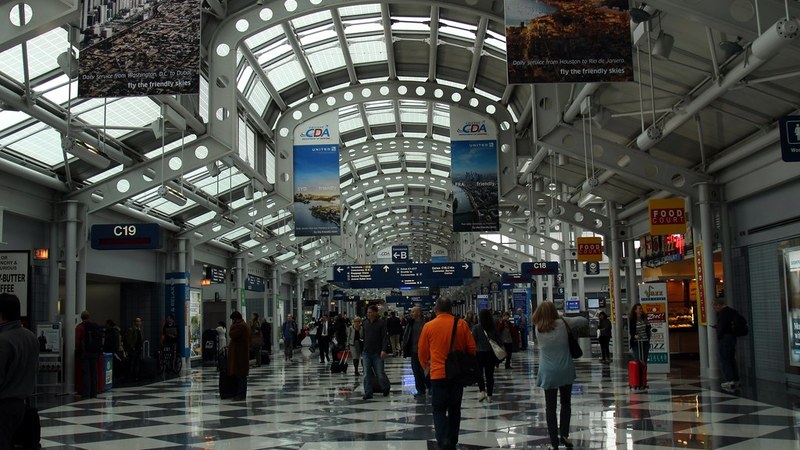
Key U.S. hubs like Chicago O’Hare, Newark, and LaGuardia experienced significant impact from the ground stop. Canadian airports including Toronto Pearson and Montreal-Trudeau also faced disruptions due to their connections with U.S. airspace. As restrictions eased, international flights from coastal
hubs recommenced departures before 6 p.m. ET. The widespread effect extended across the U.S. and parts of Canada, complicating cross-border air traffic.
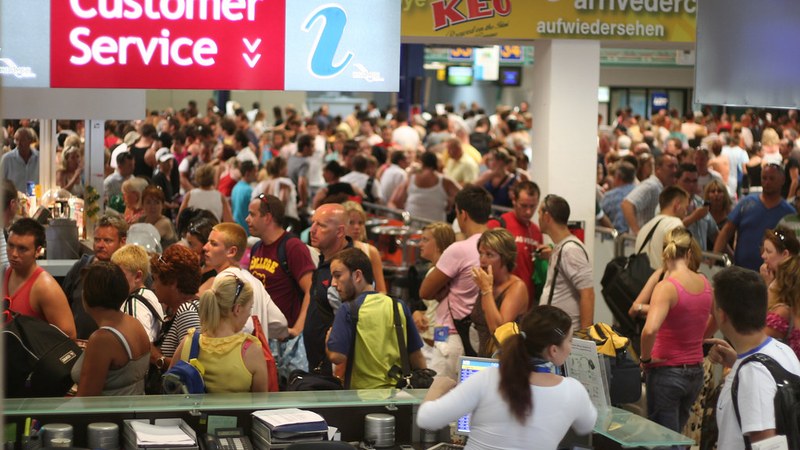
Passengers Face Extended Delays and Logistical Challenges
The grounding led to extensive delays and cancellations persisting into the weekend. Hundreds of thousands of travelers, including sports teams, faced disrupted travel plans. Airports had to manage parked aircraft and coordinate deplaning where necessary. Crew duty-hour limits further complicated resumption of normal operations, contributing to ongoing delays after the ground stop was lifted.
Government Officials Stress Mechanical Failure, Rule Out Cyberattack
U.S. Transportation Secretary Sean Duffy characterized the cause as overloaded communications routers that “went down.” Homeland Security Secretary Markwayne Mullin reassured the public stating,
“This isn’t another 9/11— I just can’t repeat that enough. This is a telecommunications outage. This is much different.” The FAA canceled the ground stop after more than four hours once the telecommunications problems were resolved.
Rare Nationwide Ground Stop Reflects Recurring Infrastructure Issues
Nationwide ground stops are exceptionally rare, with the previous major event occurring in January 2023 due to pilot alert system issues. The FAA and other government agencies are actively working on modernization initiatives to address aging air traffic control technology. Repeated technical failures and staffing shortages have caused intermittent disruptions in recent years, highlighting the need for continued investment in infrastructure improvement.