On November 13, 2026, the U.S. Federal Aviation Administration (FAA) issued a nationwide ground stop starting shortly before 4 p.m. Eastern Time due to communications failures at multiple regional U.S. air traffic control centres. The pause in flight operations lasted until approximately 8:15 p.m. ET and affected flights across the U.S. and those transiting U.S. airspace, including routes from Canadian airports.
Flight Disruptions at Canadian Airports
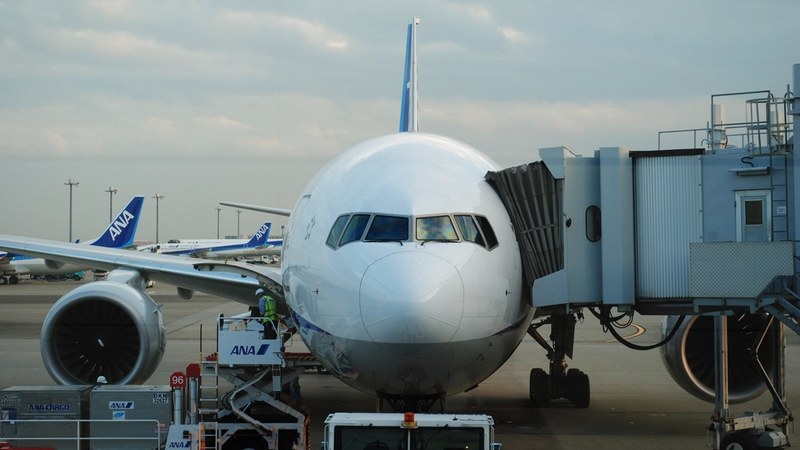
Toronto Pearson International Airport suspended all departures and arrivals bound for the United States during the FAA ground stop. This resulted in more than 120 U.S.-bound flights being cancelled at Pearson, alongside an additional 20 international cancellations. Air Canada
cancelled all its remaining U.S. flights for the evening, including flights to the Caribbean and South America that transit U.S. airspace. At Billy Bishop Toronto City Airport, Porter Airlines cancelled all remaining scheduled Friday flights to and from the U.S. Montréal-Trudeau Airport also experienced significant delays and cancellations mostly impacting U.S.-bound traffic.
Passenger Impact and Airport Responses
Travelers faced widespread cancellations, delays, and stranding at Toronto and Montreal airports. Passengers like Donna expressed disappointment over canceled weekend plans, stating, “I was really hoping to fly out tonight. So, it’s a bit of an unfortunate situation.” Derek, another traveler, anticipated many refunds due to likely cancellations
extending into the next day. Lyle Jakobsen, stranded in Saint Martin, noted that Air Canada maintained good communication during the disruption. Airport spokesperson Erica Vella confirmed the extent of cancellations and said, “We are working very, very closely with our airlines, and we will be moving into a bit of a recovery mode today and tomorrow to make sure that airlines can get their schedules back on schedule and make sure that passengers can get to their destinations.”
Official Statements and Safety Measures
NAV Canada, the non-profit overseeing Canadian air traffic control, stated its systems were not impacted by the FAA outage and remained operational.
It briefly implemented traffic management at Toronto Pearson, Montréal-Trudeau, Calgary, and Vancouver airports to maintain safe traffic flow during the disruption. NAV Canada advised passengers that some delays could continue as backlogs clear, emphasizing passengers should verify their flight status with airlines. Federal Transport Minister Steven MacKinnon said the Canadian government closely monitored the situation and kept in contact with NAV Canada. FAA officials described the ground stop as a precaution after primary and backup communications systems failed or became unreliable. The Department of Homeland Security found no evidence of a cyberattack causing the failure.
Cause and Historical Context of FAA Ground Stop
The ground stop was triggered
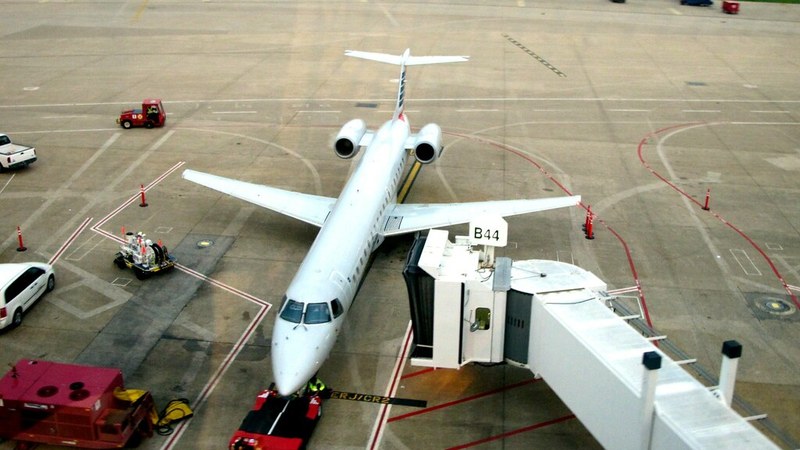
by communications problems beginning around 3:36 p.m. ET affecting radar and controller communications nationwide within U.S. air traffic control centers. This emergency action prevented planes from taking off and landing in U.S. airspace to avoid potential accidents caused by controller-aircraft communication loss. The FAA ground stop on November 13, 2026, is only the third nationwide grounding in American aviation history, following similar stops after the September 11, 2001 attacks and in January 2023. U.S. transportation authorities have stressed the need for infrastructure modernization to prevent such failures.
Ongoing Delays and Recovery Efforts
Despite the FAA lifting the ground stop shortly after 8 p.m. ET, Canadian
airports including Toronto Pearson and Montréal-Trudeau continued to manage significant delays and cancellations as operations returned to normal and cleared flight backlogs. Airlines and airports are coordinating recovery efforts over the following days. NAV Canada affirmed its commitment to safe and efficient air traffic management during the ongoing recovery. Passengers remain affected by disruptions as the air transport network absorbs the impact of the days-long recovery process.