The Federal Aviation Administration (FAA) implemented ground stops at New York City’s John F. Kennedy International Airport and LaGuardia Airport, and a ground delay program at Newark Liberty International Airport on November 12, 2026, as severe thunderstorms disrupted the region’s air traffic. The ground stop at LaGuardia began at 1:27 p.m. Eastern Time, originally scheduled to last until 3:45 p.m. but with a 30% to 60% chance of extension. LaGuardia was also operating under a ground delay program from 1:00 p.m. to 11:59 p.m., causing average arrival delays of 63 minutes. Newark’s ground delay program started at 2:37 p.m. with
flights bound for Newark experiencing average delays of 137 minutes. JFK’s ground stop started at 2:49 p.m., likewise expected until 3:45 p.m. but facing potential extension according to the FAA.
FlightAware data captured separate snapshots on the afternoon of November 12, 2026, recording 215 flight delays and 10 cancellations at LaGuardia by 1:31 p.m. At Newark, there were 131 delays and 6 cancellations documented by 2:24 p.m. Meanwhile, JFK showed 239 delays and 24 cancellations as of 3:16 p.m. The FAA issued a flood advisory effective until 1:45 p.m. covering Newark and adjacent areas, where heavy rain caused minor flooding
in low-lying locations. The advisory did not include Queens, the borough hosting JFK and LaGuardia airports.
Severe Weather Drives FAA Traffic Restrictions
The airports faced significant disruptions due to an intense thunderstorm complex producing heavy rain, flash flooding, and a tornado warning near JFK in Queens. The FAA uses ground stops to hold flights at their origin airports, preventing new departures until conditions improve. Ground delay programs meter departures to regulate arrival rates and avoid congestion due to limited airport capacity. Both measures cause delays not only locally but also at distant departure points given the interconnected nature of the air traffic network serving the New
York metropolitan area and the broader Northeast.
The storm system is forecast to continue bringing rain through November 13, with the National Weather Service warning of possible minor coastal flooding. The FAA continues to monitor the situation and indicated further air traffic restrictions are possible as the severe weather progresses across the region.
Flight Impact and Operational Challenges at Major Hubs
The layered approach of imposing a ground stop alongside an all-evening ground delay program at LaGuardia compounded arrival delays. Newark’s average inbound flight delay of 137 minutes was more than double that at LaGuardia. JFK faced prolonged flight holds given its ground stop still in effect as
of late afternoon. Together, these measures severely constrained operations at the three principal hubs serving the New York metropolitan airspace.
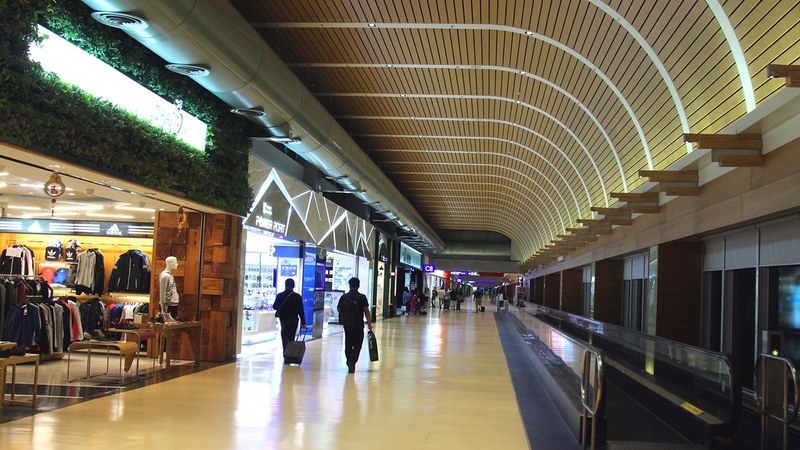
Passengers encountered widespread flight delays and cancellations amid these restrictions. These disruptions also affect business aviation operators competing for the already congested airspace and terminal slots in the region, who must carefully plan arrival times and alternative airports under such layered traffic controls.
FAA Continues Monitoring and Possible Extension of Restrictions
FAA advisories initially scheduled the ground stops at LaGuardia and JFK to end at 3:45 p.m. Eastern Time on November 12, 2026. However, with ongoing unstable weather, there was a 30% to 60% chance that these restrictions
could be extended. The FAA stated that it would persist in monitoring weather conditions and managing air traffic accordingly with the goal of maintaining safety and efficiency across the Northeast airspace.
The continuance of the coastal storm and forecasted rainfall into Friday, November 13, presents the possibility of further operational constraints at the region’s airports, depending on how conditions evolve.