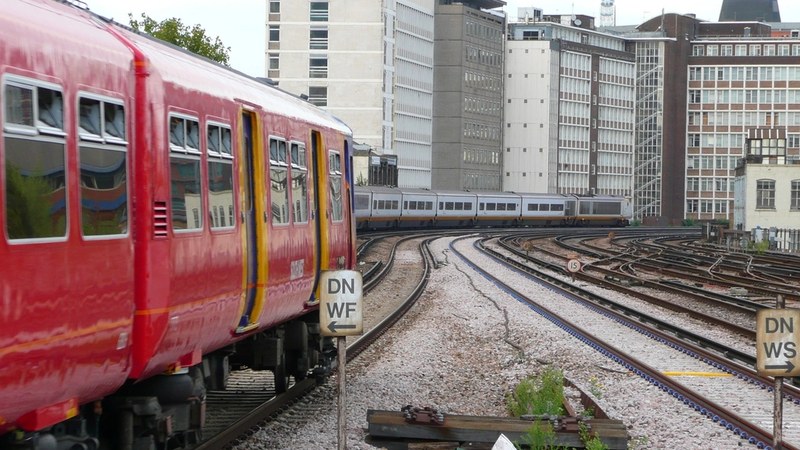
Train drivers across Spain launched a strike on November 10, 2026, leading to the cancellation of 40% of long- and medium-distance train services and affecting 4,042 passengers, according to Renfe. The strike included trains operated by Renfe, Ouigo, and Iryo, Spain’s main rail companies.
Disruption in Madrid and Barcelona Commuter Networks
In Madrid, the strike caused 90% of commuter rail services to be canceled, with at least five commuter lines completely shut down and three others operating partially, based on information from Cercanias, the state operator. Barcelona’s local rail services faced a 50% cancellation rate, and delays were reported on the Rodalies regional network in Catalonia linked
to minimum service quotas not being fully met. Commuters in Leganes near Madrid relied on buses to travel into the city center due to these cancellations. At Barcelona’s Masnou station, the intermittent service led to only a few passengers waiting for trains.
Strike Rooted in Two Deadly 2026 Rail Crashes
The strike was triggered by safety concerns following two fatal collisions on the Madrid-Seville high-speed rail line in 2026 that killed a total of 115 people. The first crash occurred in January and resulted in 46 deaths. The second collision happened on October 28, 2026, killing 69 people. The October crash was caused by a signal failure and
a controller’s order for a Renfe train to proceed despite a stationary Iryo train occupying the track ahead.
Government Moves and Safety Reforms Amid Crisis
After Oscar Puente resigned as Transport Minister due to the crashes, Prime Minister Pedro Sanchez appointed Deputy Carlos Cuerpo as provisional head of the ministry. On November 10, 2026, the government announced several safety measures, including clarifications in how drivers’ operating time is calculated, the creation of an ombudsman for victims of public transport accidents, enhanced communication channels for railway staff to report safety issues, and increased autonomy for train crews to stop or not restart trains if safety risks are detected.
Talks between the train drivers’ union Semaf and the government to improve rail safety began after the January crash but collapsed in April.
Passenger Impact and Commuter Experience
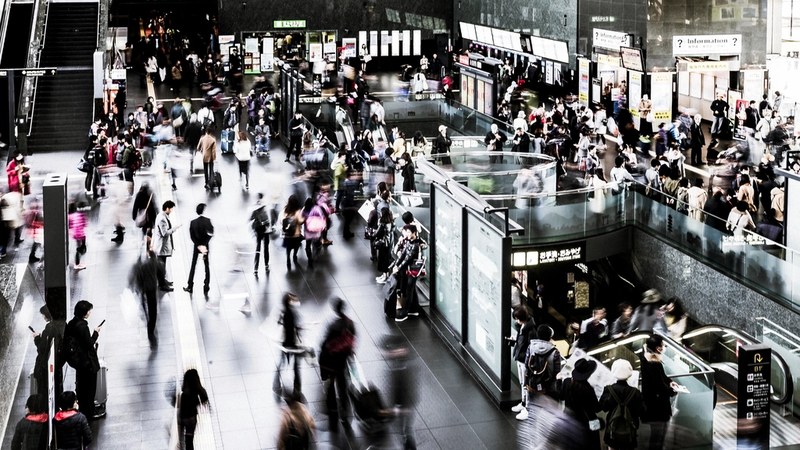
Commuters faced extensive disruptions on November 10. In Madrid, crowded railways shut down, forcing many to use alternate transport. Candida Hiciano, a commuter at Madrid’s Atocha station, described the situation as chaotic. Bus services became essential for commuters in affected areas such as Leganes. The discontinuation and delays on various commuter rail lines heavily impacted daily travelers.
Official Statements From Operators and Union
Renfe confirmed the cancellation of 40% of long- and medium-distance services, impacting 4,042 passengers. The Semaf union stated they complied
with government-mandated minimum service levels and attributed delays to ineffective train management rather than union action. The government emphasized its commitment to improving rail safety through newly approved measures.
Spain’s High-Speed Rail Network and Wider Effects
Spain operates Europe’s most extensive high-speed rail network, and the 2026 crash-related strike crippled significant portions of it. The November 10 strike was followed by a nationwide general strike on November 11, expected to cause further disruption across public transit, businesses, factories, and shops throughout the country.
King Felipe VI and Queen Letizia attended a funeral service at Toledo Cathedral for victims of the October crash, where a historic 16th-century Christ
effigy was transferred from Urda near the crash site for the ceremony.