A fast-moving storm system triggered flight disruptions on November 10, 2026, across nine major U.S. airports. Over 1,600 flights were delayed and more than 300 canceled as weather conditions caused operational restrictions at key hubs from the Pacific Northwest to the Northeast.
Ground Delay Programs at Boston Logan, Seattle-Tacoma, LaGuardia and Others
Ground delay programs were active at Boston Logan Airport, Seattle–Tacoma International Airport, New York LaGuardia Airport, and four additional major airports earlier in the day. The programs aimed to manage inbound traffic amid low ceilings, reduced visibility, gusty winds and embedded thunderstorms associated with the storm system stretching from the Pacific Northwest through the Upper Midwest into the
Northeast.
Seattle–Tacoma faced low cloud ceilings and visibility restrictions during morning hours, with the potential for further delay if winds shift unfavorably. LaGuardia operated under reduced arrival rates due to gusty surface winds and scattered showers, leading to slower arrival flows. Boston Logan also maintained a ground delay program to regulate arrivals during peak times.
Flight Delay and Cancellation Statistics
By early afternoon Eastern time on November 10, nationwide delays attributed primarily to the storm totaled more than 1,667 flights delayed and about 306 canceled. The U.S. airspace typically handles over 45,000 daily flights, and weather-related restrictions during morning and late afternoon peak traffic periods
disproportionately affected these volumes at key hubs.
Extended Passenger Delays Due to Network Effects
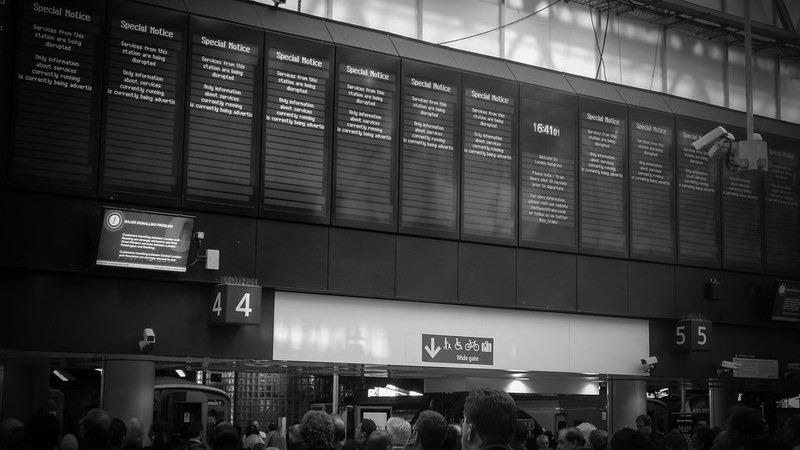
Delays at affected northern airports caused knock-on impacts on connecting flights, with passengers facing residual disruptions potentially extending into the early hours of November 11. Ground stops and arrival rate reductions at congested hubs like Seattle–Tacoma and LaGuardia propagated scheduling conflicts beyond the storm corridor, affecting inbound flights to secondary airports nationwide.
Increasing Trends in Weather-Related Ground Stops
Federal Aviation Administration data highlights a nearly 20% year-on-year increase in weather-related ground stops at the 30 largest U.S. airports in 2024. The rise reflects intensified convective weather impacting crowded airspace and constrained staffing in air traffic control and ground operations,
which limit rapid recovery from weather disruptions.
Traveler Guidance During Weather Disruptions
Travelers with itineraries through these nine airports on November 10 are advised to allow extra time for connections, favor earlier departures, and monitor real-time flight status through airline apps and independent tracking tools. Multiple schedule changes within hours are expected as controllers adjust arrival rates and reroute flights to maintain safety.
Airline Responses and Customer Options
Airlines are closely monitoring conditions at affected airports and may issue fee waivers or permit rebooking without change fees depending on evolving weather. Passengers experiencing cancellations or long delays should consult their airline’s contract of carriage and federal guidelines for possible meal
or hotel accommodations, especially when disruptions persist after acute weather conditions subside.
Availability of Public Delay and Weather Information
FAA dashboards and the National Weather Service’s Aviation Weather Center provide updated traffic management advisories and weather forecasts. Independent services translate FAA and National Weather Service data into color-coded delay maps, helping travelers anticipate affected airports and estimate flight impact based on historic patterns and current conditions.