San Francisco International Airport (SFO) experienced several Federal Aviation Administration (FAA) ground stops on November 9, 2026, resulting in 187 flight delays and three cancellations by 10:30 a.m. Pacific Time. The initial major ground stop began shortly before 8 a.m. and was lifted around 9:15 a.m., with additional ground stops occurring near 10:28 a.m. and shortly before noon.
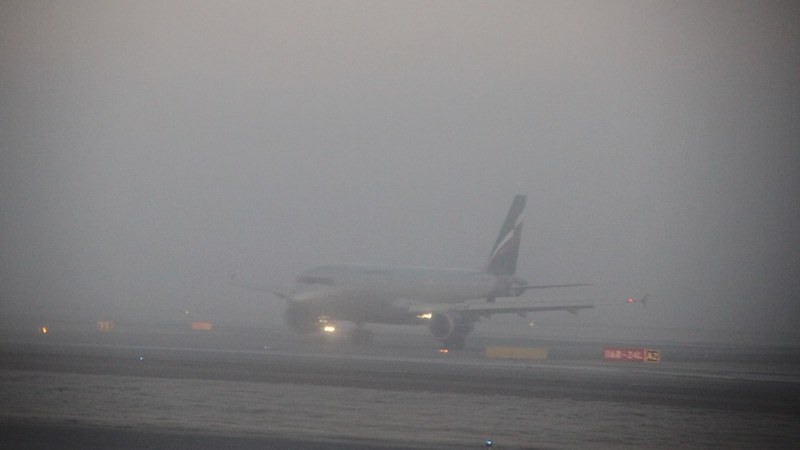
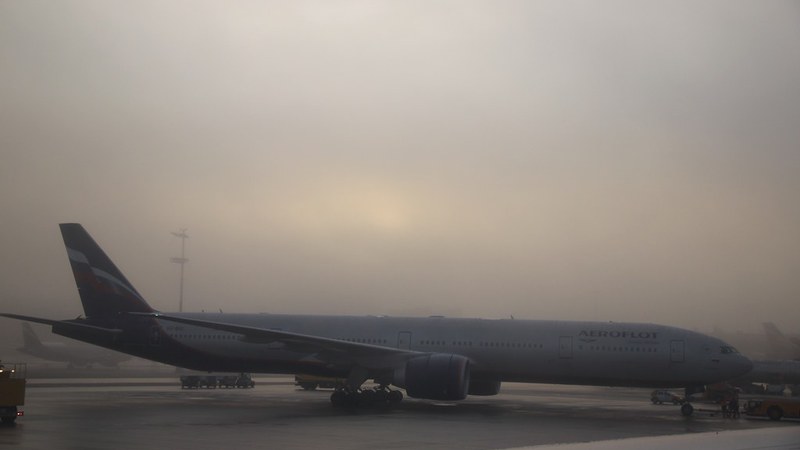
Dense fog and low cloud ceilings heavily reduced visibility over San Francisco Bay, causing significant operational challenges. Visibility at the airport dropped to approximately 0.13 miles around 8 a.m., as measured locally, while the National Weather Service issued a dense fog advisory
reporting visibility as low as a quarter mile along the bay shoreline.
To manage air traffic safely amid the low visibility, the FAA implemented temporary ground stops and ground delay programs, holding selected departures at other U.S. airports before allowing them to proceed to San Francisco. These measures aimed to prevent excessive congestion in SFO’s airspace and maintain safe spacing, which was affected by the reduced ceiling and visibility.
The flight delays impacted arriving aircraft with an average delay time of around 63 minutes. Passengers traveling to San Francisco from other airports could face delays even if weather at their
departure location was clear. The disruptions also had potential downstream effects on connecting flights and schedules within the San Francisco airport system.
San Francisco International Airport’s location adjacent to San Francisco Bay makes it particularly vulnerable to coastal fog and low cloud cover. Reduced visibility necessitates increased spacing between aircraft and specialized low-visibility procedures, which decrease the capacity for flight operations during such weather events. Ground stops are standard air traffic management tools used by the FAA to limit congestion without closing the airport itself.