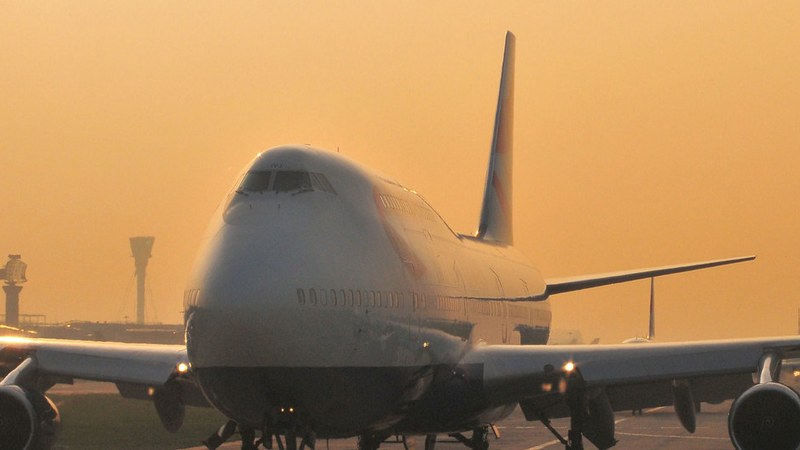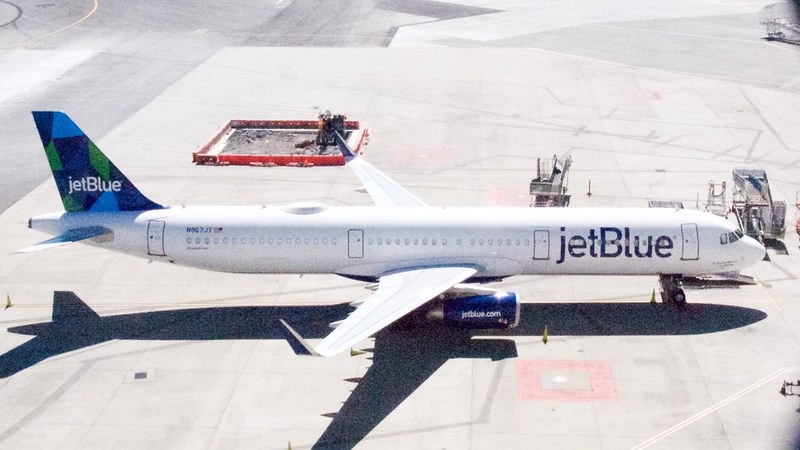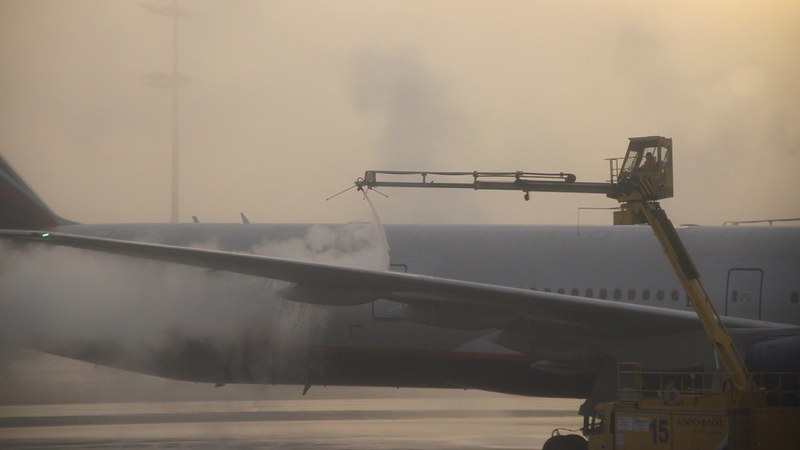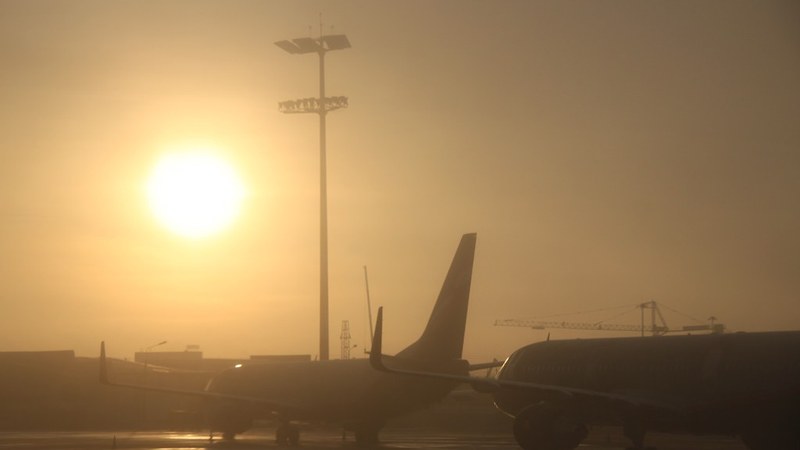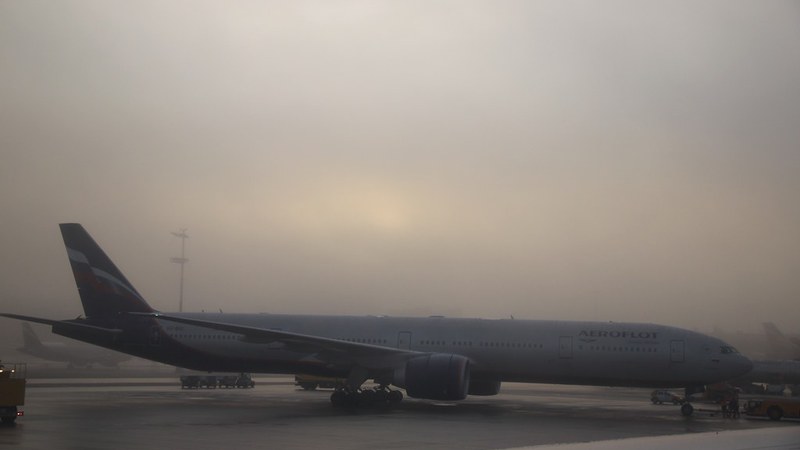
San Francisco International Airport (SFO) experienced multiple Federal Aviation Administration (FAA) ground stops on November 9, 2026, due to dense fog and low cloud cover significantly reducing visibility in the San Francisco Bay area.
The initial FAA ground stop started shortly before 8 a.m. Pacific Time and was lifted at approximately 9:15 a.m. However, the airport remained under a ground delay program to regulate arriving flights. Additional ground stops were implemented around 10:28 a.m. and again shortly before noon. By about 10:30 a.m., 187 flights had accumulated delays, with an average arrival delay of roughly 63 minutes, and three cancellations
were reported.
Weather conditions and operational effects
Fog and low cloud ceilings sharply reduced visibility around San Francisco Bay on the morning of November 9. The San Francisco Chronicle reported visibility at San Francisco Airport dropped to about 0.13 miles near 8 a.m. The National Weather Service issued a dense fog advisory for the San Francisco area and adjacent shoreline, noting visibility lows as scant as a quarter mile. These weather conditions necessitated longer spacing between aircraft and special low-visibility procedures, limiting the airport’s handling capacity.
San Francisco International Airport’s proximity to the bay renders it vulnerable to coastal fog, which directly affects flight operations
through restricted visibility and low cloud ceilings.
Impact on flights and traveler disruptions
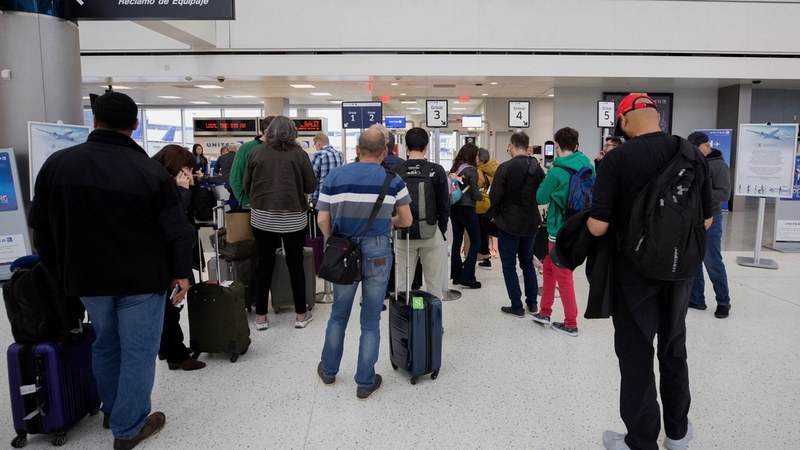
The FAA’s ground stops prevented selected departing flights at other U.S. airports from initiating routes to San Francisco, creating cascading delays. Even flights originating from airports with clear weather faced hold times due to FAA measures aimed at minimizing congestion in San Francisco’s airspace. The disruptions affected both arriving and departing flights, extending delays into November 10, 2026, according to flight tracking and FAA notices.
Passengers on flights scheduled to land or depart at San Francisco during this timeframe experienced significant hold times and some cancellations. The FAA’s ground delay program continued to
regulate arrivals after the initial ground stop was lifted, underscoring sustained operational impacts.
FAA ground stop measures and air traffic management
Ground stops are traffic management tools used by the FAA to manage flow into airports when weather conditions reduce capacity. These stops hold departing flights at their origin airports until conditions improve. The November 9 events at San Francisco demonstrate how dense fog and low ceilings reduce airport throughput by enforcing stricter spacing and operational constraints to ensure safety.
The FAA’s multiple ground stops throughout the morning aimed to control arrival rates at San Francisco International Airport and prevent excessive congestion in the terminal airspace. This approach
also minimized the risk of delays affecting subsequent flights scheduled to depart from San Francisco.