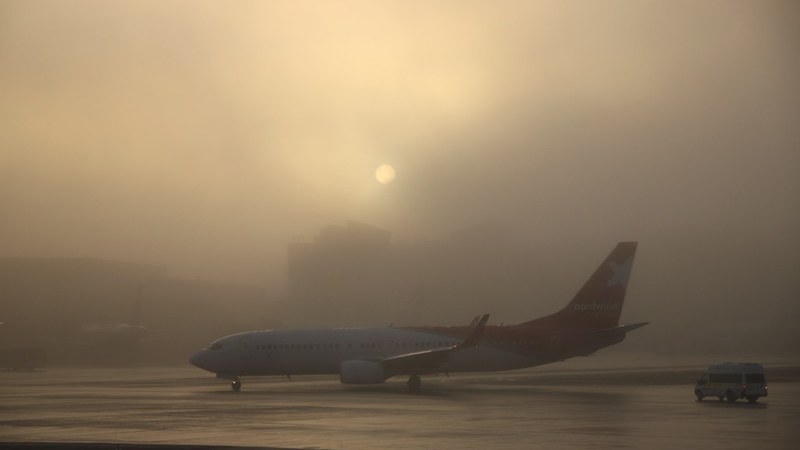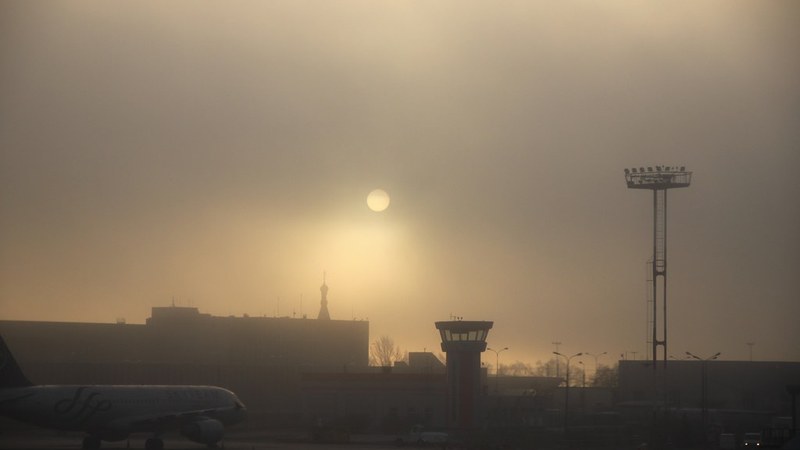
On November 9, 2026, dense fog over London resulted in multiple flight cancellations at Heathrow and London City Airports. By 6:30 AM, seven flights departing from Heathrow and three from London City had been cancelled due to limited visibility.
Met Office Issues Weather Warning and Explains Fog Formation
The Met Office issued a yellow weather warning covering London and most of South East England through 11 AM on November 9, citing fog that reduced visibility to 50 metres or less. Met Office operational meteorologist Niamh Murray attributed the fog to longer autumn and winter nights causing temperatures to fall toward air saturation levels. Murray said the calm winds and
clear skies also created ideal conditions for fog development.
Flight Disruptions and Geographic Impact
Flight cancellations occurred early on November 9 at London’s two major airports. Heathrow Airport had seven cancelled flights by 6:30 AM, while London City Airport had three cancellations within the same timeframe. The fog advisory encompassed the capital and the surrounding South East region, indicating broad travel challenges.
Road Impact and Previous Fog-Related Incident
Travel conditions were affected beyond air travel, with visibility dropping to 50 metres or less in foggy areas. The M20 motorway near Maidstone in Kent had been closed for nearly 12 hours following a pile-up involving over 30 vehicles during foggy conditions on
the evening of November 7. The crash caused serious injuries and road closures between junctions 8 and 9.
Safety Advice from AA President
Edmund King, president of the AA, urged drivers to adapt their driving in fog. He cautioned that following the rear lights of the car ahead can give a false sense of security and may lead to unsafe distances. King advised slowing down, increasing the gap between vehicles, and driving according to what is visible ahead, emphasizing that arriving earlier does not outweigh safety risks.
“Fog can transform a familiar road in a matter of minutes, so drivers need to be prepared to
adapt their speed and leave more room between themselves and the vehicle ahead,” King said. “Ultimately, there’s no prize for arriving a few minutes early. Give yourself extra time, slow down and drive to what you can actually see ahead.”