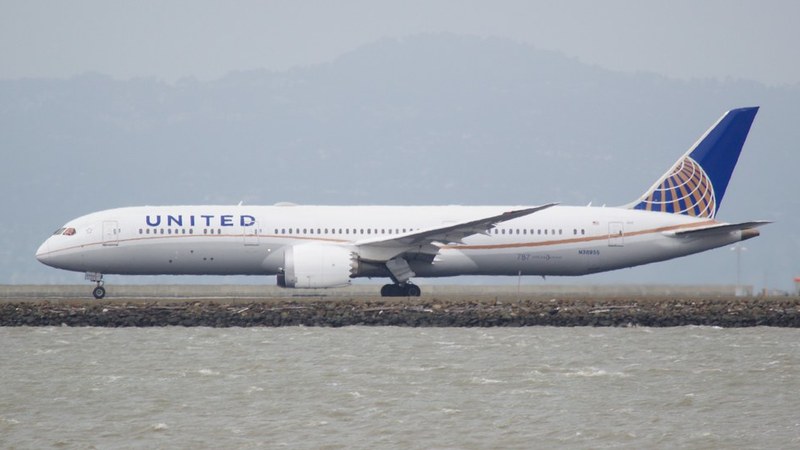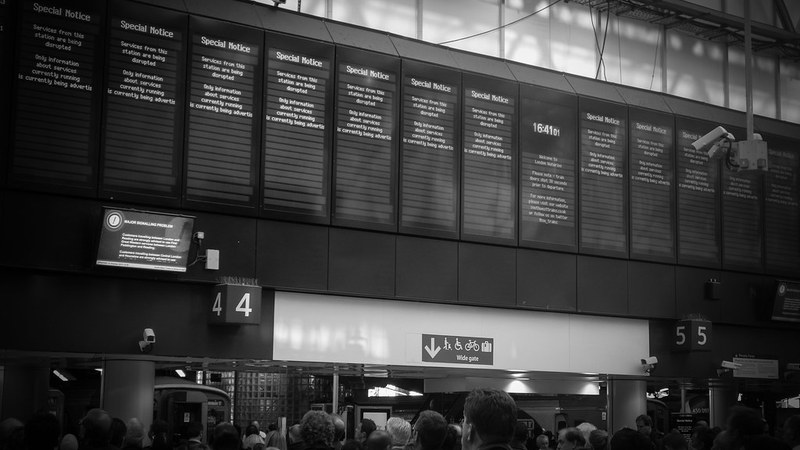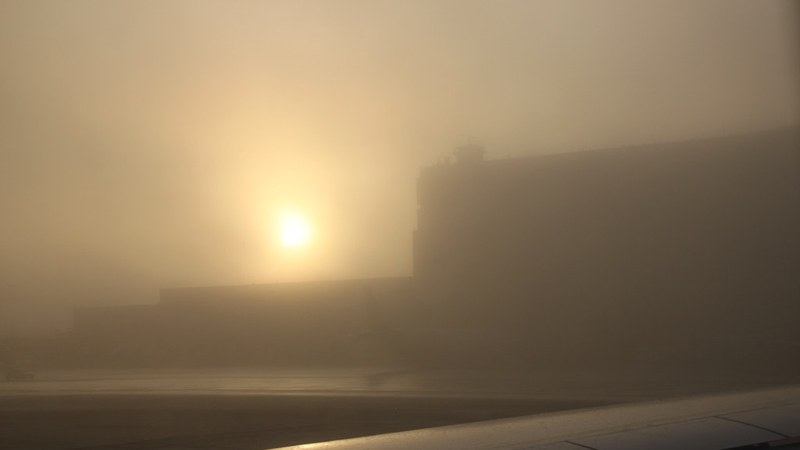
On November 9, 2026, at least 1,331 flight delays and 59 cancellations were recorded in the United States by 10 a.m. EST, according to FlightAware data. Globally, the tracking service identified more than 11,413 flight delays within the same morning hours.
Major Airports Encounter Weather-Related Delays
The Federal Aviation Administration (FAA) attributed the U.S. flight disruptions to thunderstorms and low clouds affecting air travel in the Northeast and Mid-Atlantic regions. Airports impacted include Boston Logan International Airport (BOS), the three major New York airports—John F. Kennedy (JFK), LaGuardia (LGA), and Newark (EWR)—as well as Philadelphia International (PHL) and Washington D.C. area airports: Ronald Reagan Washington
National (DCA), Baltimore/Washington International (BWI), and Washington Dulles (IAD).
Additionally, low cloud conditions were noted as likely causing interruptions in Charlotte Douglas International Airport (CLT), potentially affecting flights there.
Advice for Travelers Facing Disruptions
Travel experts encourage passengers to monitor their flight status continuously amid these widespread delays. Using airline mobile applications with real-time notifications is advised to stay updated on changing conditions. Allowing extra time for potential connections may reduce missed flights during ongoing delays.
Eryn Gordon, a TedX speaker on ethical travel and founder of Earth to Editorial, emphasized managing cancellations as a planning challenge rather than a crisis. She recommended capturing the
airline’s rebooking policies prior to travel. “A cancellation feels like chaos, but the travelers who come out of it best treat a disruption as a planning problem rather than an emergency,” Gordon said. She also warned against quickly accepting the first available alternative seating, noting that “the trap is thinking speed is everything and grabbing the first seat offered, when that seat can strand you in a connecting airport overnight with your bag on another aircraft.”
Passengers are also urged to keep essential items in their carry-on bags to mitigate difficulties stemming from prolonged delays or cancellations.