On November 6 and 7, 2026, a series of false bomb threats targeted passenger aircraft and media organizations across multiple European countries, disrupting at least 25 flights and prompting emergency landings, diversions, and military escorts.
Flight Disruptions and Security Responses
According to reports compiled by Oduu, within four days up to November 7, at least 32 bomb threats affected a dozen airlines, with 18 flights disrupted on November 7 alone. The incidents impacted routes involving Bulgaria, Denmark, France, Italy, Ireland, Portugal, the Czech Republic, Romania, Spain, and the United Kingdom.
An Aer Lingus flight en route from Dublin to Rome was diverted approximately 1,000 kilometers
to the French military airbase Évreux in Normandy due to a bomb threat, carrying 151 passengers and six crew members who were safely evacuated. Ryanair faced similar disruptions, with emergency landings at Sofia Airport for flights from Copenhagen and Madrid, and a separate diversion to Plovdiv Airport for a flight originating in London.
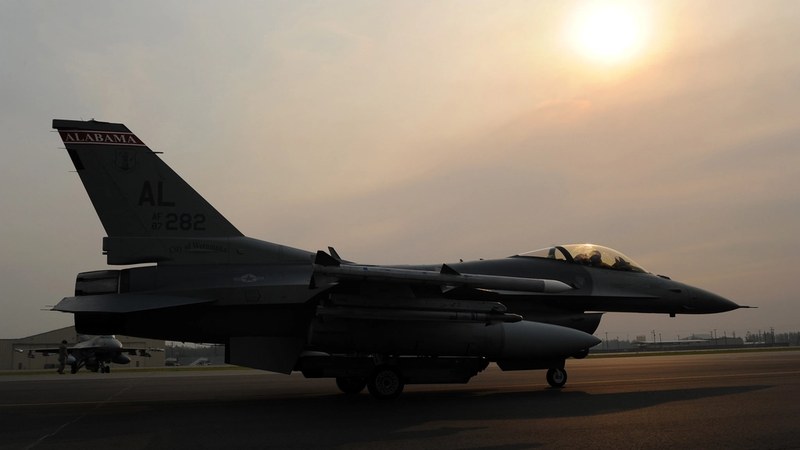
Four flights connected to Prague were diverted following anonymous email threats mentioning explosives. Hungary scrambled fighter jets three times to escort civilian aircraft in its airspace, confirmed by Defence Minister Romulusz Ruszin-Szendi. Danish police investigated a threat against Copenhagen Airport, but the airport remained fully operational.
Eurocontrol
recorded 26,709 flights scheduled across Europe on November 7; the affected flights represented roughly 0.0674% of that total. Inspections at airports including Rome Fiumicino and others found no explosive devices on any aircraft or at the terminal locations involved.
Impact on Aviation Operations and Costs
Marco Chan, a former commercial airline pilot and aviation expert at Kingston University, detailed that airlines follow uniform protocols for all threat reports to ensure passenger safety. “They have a triage system, but follow the same protocols for each until they are absolutely sure there is no threat,” he said. Procedures can include mid-flight inspections and mandatory post-landing searches, often without
informing passengers immediately to minimize alarm. “Passengers might not even know there is an issue until they are told to disembark. It can cause disruption, but that is a small price to pay when safety is at stake,” Chan added.
Wilfried Covent, head of aviation security consultancy Covent Consulting, described the scale and frequency of these coordinated threats as unprecedented. “This is really quite exceptional, I’ve never seen this before in my whole career,” he said. Covent noted operational challenges arise because threats tied to specific flights in the air require immediate action under international regulations, leading to diversions, evacuations,
and specialized searches.
Philip Baum, visiting professor at Coventry University, estimated each diversion could cost airlines up to $250,000, encompassing replacement crews, missed passenger connections, and wider scheduling ripple effects. The European Aviation Safety Agency (EASA) confirmed that these diversions increase workloads for pilots, air traffic controllers, and airport personnel.
Security and Political Reactions
Investigations found no links between the bomb threats and hostile terrorist groups or state actors, including Russia or Iran. One threat claimed by email to be from “The Male State,” a Russian ultra-nationalist group, was disavowed by the group’s founder, who confirmed the group ceased to exist in 2021.
Irish
Prime Minister Micheál Martin condemned the threats targeting Irish media organizations, such as RTÉ Radio 1 and Virgin Media, describing the attempts to create public anxiety and emphasizing collaboration among European security agencies to identify those responsible.
Italian Prime Minister Giorgia Meloni connected the aviation threats with simultaneous cyberattacks on supermarket refrigeration systems in seven European countries, including Belgium, Sweden, and the UK, calling them linked assaults on civilian infrastructure. Spanish Foreign Minister José Manuel Albares described the incidents as “an attempt at hybrid aggression and psychological warfare.” British Transport Secretary Heidi Alexander referred to the alerts as “malicious hoaxes”
and confirmed activation of established security protocols.
London Metropolitan Police Chief Mark Rowley urged law enforcement to balance responses proportionately amid this wave of digital threats, warning against overreaction. NATO continues monitoring the situation and coordinating with allied nations.
Broader Context and Ongoing Investigations
Security experts warn that this series of false bomb threats forms part of a coordinated attempt to disrupt European civilian infrastructure through hybrid warfare tactics. These include digital attacks on transportation and media targets alongside cyberattacks on critical systems such as supermarket refrigeration and blood bank cold storage. Paul Mason, an aviation security specialist with military experience, described the incidents as
coordinated with plausible deniability, potentially involving proxies.
Authorities emphasize that all threats must be treated as credible until disproven, requiring costly precautionary measures and complicating airline and airport operations across the continent. Ongoing investigations by European aviation and security agencies, coordinated by the European Commission and EASA, continue to assess motivations and identify perpetrators behind this wave of disruption.