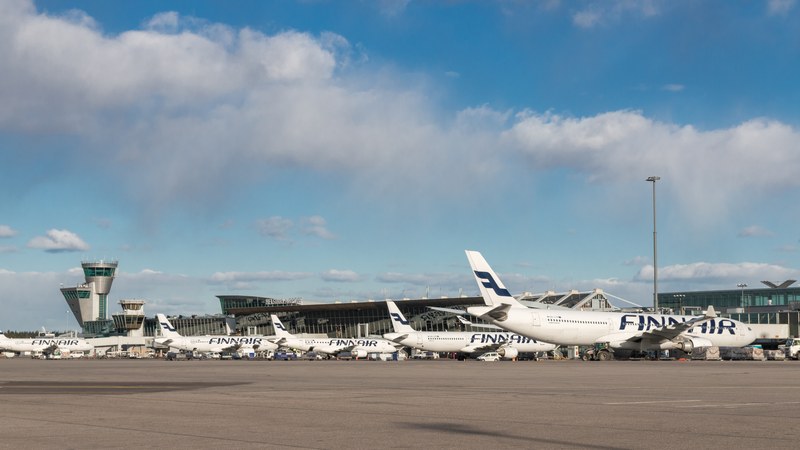
On November 7, 2026, air travel in the United States was significantly disrupted with at least 1,331 flights delayed and 59 canceled as of 10 a.m. EST, according to data from flight tracker FlightAware. Globally, delays exceeded 11,413 flights and cancellations reached 548.
Weather Impacts at Major US Airports
The Federal Aviation Administration (FAA) reported that thunderstorms and low cloud cover were likely causing delays and cancellations at key airports including Boston Logan International Airport (BOS), New York’s John F. Kennedy (JFK), LaGuardia (LGA), and Newark Liberty (EWR), Philadelphia International Airport (PHL), as well as Washington-area airports Ronald Reagan Washington National (DCA), Baltimore/Washington International (BWI), and
Washington Dulles International (IAD). The FAA also identified low clouds as a possible factor disrupting flights at Charlotte Douglas International Airport (CLT).
Traveler Guidance and Expert Advice
The widespread flight disruptions have affected operations across multiple U.S. airports, impacting travel plans nationwide. The FAA and travel experts recommend passengers monitor flight status closely via airline websites or mobile apps, with notifications enabled for gate changes, delays, and cancellations. Travelers are advised to allow additional time for connections at busy airports and to keep essential items in carry-on luggage to prepare for extended delays. Reviewing airline refund and rebooking policies in advance can facilitate smoother handling
of cancellations and delays.
Insights from Travel Expert Eryn Gordon
Eryn Gordon, founder of Earth to Editorial and a TEDx speaker on ethical travel, advised travelers to approach cancellations as logistical challenges rather than emergencies. Gordon emphasized the importance of understanding rebooking policies before departure, cautioning against rushing to accept the first available seat. “The trap is thinking speed is everything and grabbing the first seat offered, when that seat can strand you in a connecting airport overnight with your bag on another aircraft,” she said.
FlightAware’s real-time data and the FAA’s weather assessments provide authoritative sources tracking these disruptions. Their information illustrates how weather conditions
continue to affect flight operations, contributing to widespread delays and cancellations on November 7, 2026.