The Federal Aviation Administration (FAA) issued warnings on November 3, 2026, forecasting flight delays at George Bush Intercontinental Airport, William P. Hobby Airport, Austin-Bergstrom International Airport, San Antonio International Airport, and Memphis International Airport due to thunderstorms in the southern United States.
FAA operational measures to manage the storms’ impact include ground stops and ground delay programs, which temporarily restrict aircraft departures and arrivals in affected airspace. These protocols aim to maintain safety when thunderstorms reduce airport capacity for arrivals and departures.
Thunderstorm-related departure delays were confirmed at George Bush Intercontinental Airport on November 3, verifying some of the forecasted
disruptions during the FAA’s Tuesday operating period.
Additional weather phenomena—such as low visibility at Philadelphia International Airport, low cloud ceilings at Chicago O’Hare, Chicago Midway, San Francisco International Airport, and Denver International Airport, plus wind-related restrictions at Dallas Fort Worth Airport and Dallas Love Field—were forecasted to potentially affect operations.
Passengers planning travel through Houston’s two major airports, Austin, San Antonio, and Memphis airports on November 3 should anticipate delays and monitor their flight status closely. The FAA advises using its National Airspace System status for airport-wide information and relying on airlines for flight-specific details, including rebooking options when flights
are delayed or canceled.
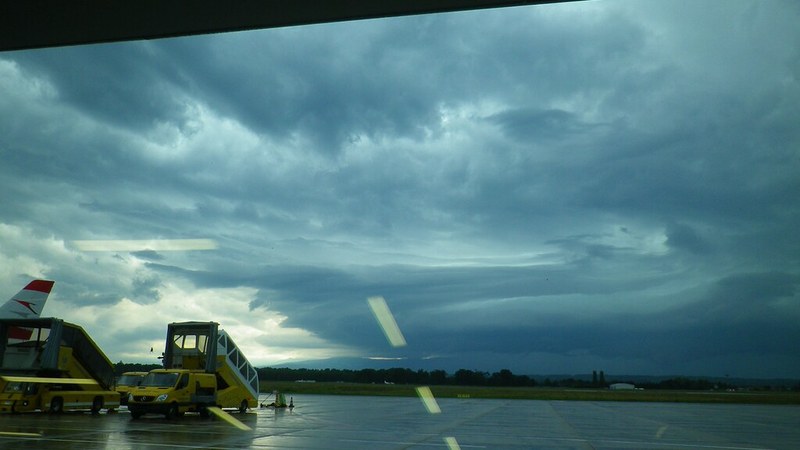
Severe thunderstorms developing across parts of the southern U.S. on November 3 reduced the safe capacity of arrival and departure corridors at key airports, prompting the FAA’s warnings and the activation of traffic management initiatives designed to mitigate risks.
Though the FAA’s alerts did not signal a nationwide aviation emergency, the weather disruptions have the potential to affect U.S. airline networks beyond the directly impacted airports, including connections in major hubs. Ground stops can hold aircraft at their departure points even when the destination airports remain open, influencing schedules across multiple flights and airlines.