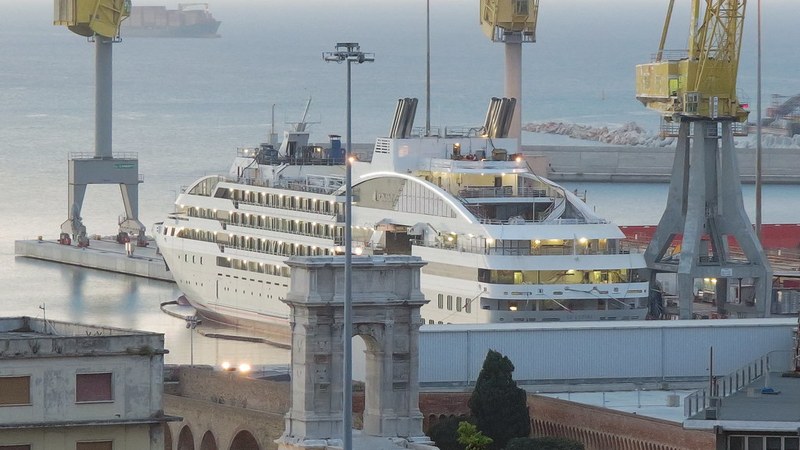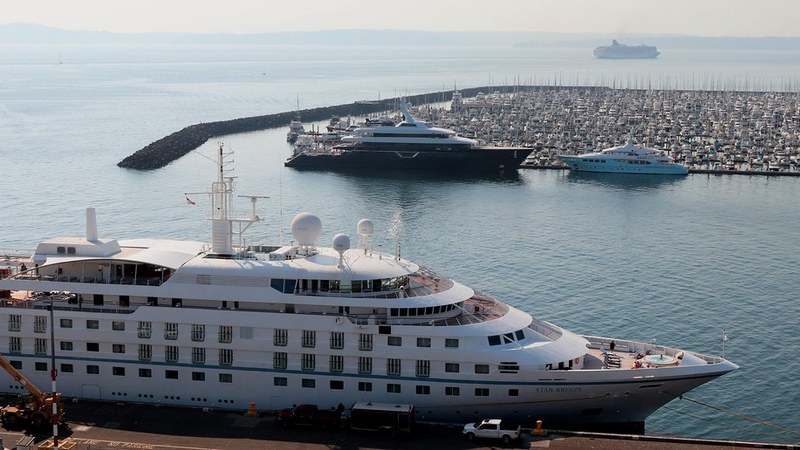
The Villa Vie Odyssey, a luxury residential cruise that started from Belfast in September 2024, ended suddenly in Cambodia in late 2026, with passengers given only eight hours to disembark. Originally marketed as a 3.5-year voyage covering over 425 port calls in 147 countries, the cruise faced escalating financial pressure caused by rising fuel prices and operational difficulties. Villa Vie Residences, which owns roughly 88% of the ship through resident investors, was left relying on cash appeals and loans from residents to keep the ship running.
Fuel Costs and Itinerary Reductions Slash Planned Global Route
The Odyssey’s itinerary was cut substantially from the original plan of 275 ports in
69 countries by October 2026 to 198 ports in 54 nations. The ship canceled all 19 scheduled stops in Japan and South Korea between June 26 and August 19, 2026, replacing them with ports in Malaysia, Thailand, Vietnam, and Brunei. Rising fuel prices, exacerbated by the 2025 war with Iran, forced extended port stays, slower sailing speeds, and repeated visits to some ports to conserve fuel. For example, the ship docked in Singapore three times between May and July 2026, spending a total of 16 days there, and prolonged a stay in Ha Long, Vietnam, from three to ten nights.
Passengers Face Disrupted Trips and Cutbacks Amid Financial Appeals
Cabin owners paid between $119,999 and $439,999 for their residences but faced unpredictable itineraries, which complicated flight and excursion planning. Passenger Sally Stunkel cited additional travel expenses incurred when booking flights to ports subsequently removed from the route. Onboard services deteriorated with closures of venues such as The Palms restaurant, combined buffet-style meals, and intermittent internet service, which troubled digital nomads aboard. Crew salary delays of up to three weeks in October 2026 prompted residents to raise approximately $12,000 in cash to support staff. Passengers also endured frequent requests to provide emergency loans with high interest rates between 12% and
24% and voluntary fuel surcharges to sustain operations.
Management Cites Rising Costs and Lack of External Funding
Mikael Petterson, cofounder and executive chairman of Villa Vie Residences, acknowledged the company’s financial challenges, attributing itinerary changes and cost-cutting to soaring fuel expenses and logistical issues. He confirmed that the ownership structure, with residents holding the majority stake and no private equity involvement, left the company dependent on residents for emergency funding, netting around $2 million from loan offers. Efforts to establish mandatory fuel surcharges failed due to contract limitations, converting these into voluntary contributions. Petterson stated the crew had been paid as of mid-October after prior payment delays. CEO Kathy
Villalba issued memos to residents outlining service reductions and apologizing for ongoing financial pressures, but did not respond to interview requests.
Abrupt End in Cambodia and Failed Recapitalization Deal
The cruise terminated unexpectedly in Cambodia in late 2026, with passengers ordered to leave the ship within eight hours. A last-minute recapitalization attempt with potential investor Oneil Khosa, former CEO of Margaritaville’s cruise line, collapsed the week before the shutdown. Villa Vie Residences and its operational partner, Columbia Cruise Services, sought a financially stronger partner to continue operations. Residents expressed mixed reactions; some remained hopeful for a restart while others, like Claude Sadovsky who left early, described the experience
as being trapped “in purgatory.” The abrupt end closed a voyage that consistently shortened its planned schedule, ultimately visiting 28% fewer ports than originally intended over two years.