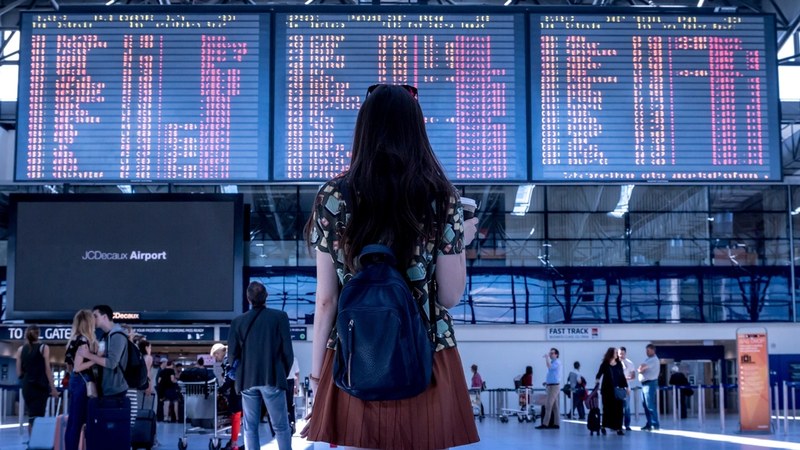
Dense freezing fog around Edmonton International Airport late on November 1 and into the morning of November 2, 2026, led to reduced visibility that disrupted flight operations, causing delays and cancellations on domestic and transborder routes.
Flight Cancellations and Delays Across Domestic and Transborder Services
Canadian carriers cancelled several late-night arrivals from leisure destinations including Cancun and Puerto Vallarta on the night of November 1. Domestic cancellations affected routes connecting Edmonton with Calgary, Vancouver, Yellowknife, and Fort McMurray late that evening. Multiple evening departures from British Columbia and Alberta regional centers experienced delays. Transborder operations were disrupted with cancellation of overnight arrivals from Las Vegas and Phoenix, while a
late arrival from Houston faced significant delay.
Meteorological Conditions Behind the Flight Disruptions
Temperatures near the airport remained below freezing with light winds, contributing to persistent freezing fog that reduced visibility levels. This freezing fog posed additional hazards by increasing ice accumulation risks on aircraft and airport infrastructure. The seasonal temperature inversion typically traps moisture near the surface during late autumn in central Alberta, creating conditions conducive to dense fog. Fog coverage extended from late November 1 into early November 2.
Operational Impact on Flight Scheduling and Ground Handling
Visibility fell below thresholds prompting airlines and air traffic controllers to reassess arrival and departure rates. Flights were held on the ground, placed in holding
patterns, or diverted to alternative airports. Stricter operating limits were enforced for takeoffs and landings due to the ice risks combined with low visibility. Ground operations such as aircraft taxiing and baggage handling slowed, impacting overall scheduling efficiency.
Traveler Advisories and Ground Access Conditions
Passengers traveling through Edmonton International Airport on November 2 should expect delays and some cancellations, particularly on morning flights. Ground access to the airport may be slower due to lingering patchy fog, notably on highways south of Edmonton, with drivers recommended to use low-beam headlights and reduce speed. Travelers connecting to northern Alberta destinations like Yellowknife could experience ongoing schedule adjustments as
airlines reposition aircraft and crews.
Gradual Return to Normal Operations by Mid-Morning
By mid-morning on November 2, flight status information indicated most daytime flights originating from hubs such as Toronto, Calgary, and Vancouver had returned to on-time performance. Some morning flights from Vancouver remained cancelled as aircraft and crew recovery continued following the overnight disruptions.
Seasonal Patterns and Airline Operational Practices During Fog Events
Dense freezing fog in central Alberta during late autumn is common due to temperature inversions trapping moisture close to the surface. Airlines generally prioritize maintaining service on major trunk routes during such weather, while regional, sun, and seasonal flights face higher cancellation risks. Passengers are encouraged to allow additional connection time during
Edmonton layovers in fog season due to potential delays.