China recorded 150 million visitor arrivals in 2026, continuing robust inbound tourism growth following 154.5 million arrivals in 2025. Despite high volume, average per capita tourism spending in 2025 stood at $357.3, representing only 29.1% of the global average, according to data from the National Immigration Administration and tourism agencies reported by eu.36kr.com.
Rising Inbound Visitor Numbers
During the third quarter of 2026, immigration inspections nationwide covered 192 million entry-exit personnel, up 7.9% compared to the same period in 2025. Visa-free policy implementation contributed strongly to this increase, with 8.992 million foreigners entering China under visa-waiver provisions in Q3 2026, representing 77.5% of total
inbound foreigners and a year-on-year rise of 24.1%.
As of August 2026, the 240-hour transit visa-free policy expanded to 57 countries, while Hainan’s 30-day inbound visa-free policy now covers 61 countries. The visa-free arrangement with Russia was extended through December 31, 2027, whereas policies for 48 other countries remain valid until December 31, 2026.
Large Volume, Low Value Tourism Structure
Industry experts acknowledge a structural contradiction in China’s inbound tourism characterized by high visitor numbers but low per capita spending. Xu Peng, Vice Chairman of the World Tourism Alliance and Chairman of Zhejiang Tourism Association, identified short average lengths of stay and limited consumption depth as
the primary weaknesses driving this phenomenon.
Li Jun, director of the Institute of International Trade in Services of the Chinese Academy of Commerce, emphasized that inbound tourism now plays a strategic role beyond cultural and tourism sectors, integrating new development patterns, high-level opening-up, and consumption expansion. However, Li stressed that increased visitor arrivals alone do not ensure corresponding growth in tourism consumption.
Tourist Consumption Patterns and Cultural Trends
Foreign tourists largely engage with low-cost local experiences such as subway rides, shared bicycles, street food like jianbing and zhajiangmian, and cafes including Luckin Coffee. Ticket prices for major sites like the Forbidden City, Great Wall, and Temple
of Heaven remain affordable rather than costly.
The “Becoming Chinese” cultural trend, which has gained traction on overseas social media in 2026, influences many independent travelers’ itineraries. Tourists adopt Chinese lifestyle elements such as consuming hot water and goji berries, but this behavior translates into limited tourism spending.
In the first quarter of 2026, the cultural boom reportedly boosted export values for Chinese goods like thermos flasks and tea to 5 billion yuan and 2.7 billion yuan respectively. Still, individual tourist purchases related to this trend remain modest.
Digital Payment and Service Access Obstacles
Foreign tourists report difficulties navigating China’s digital payment environment, including confusion over
multiple QR codes required for transit and purchases. Language barriers emerge when apps initially set in English switch unexpectedly to Chinese during payment or bike rental processes.
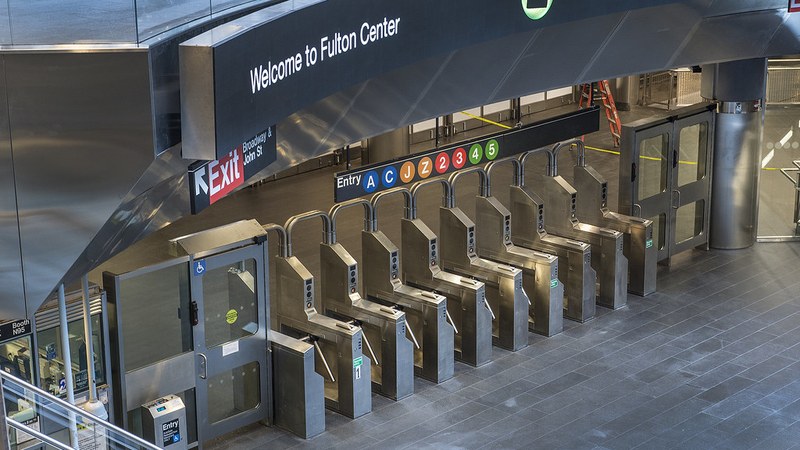
Issues also arise with online service bookings. For example, tourists have trouble arranging rides with car-hailing apps in restricted traffic zones. Visitors unfamiliar with navigation and digital service interfaces sometimes face challenges in finding subway entrances or completing transactions, hampering consumption despite physical presence.
Lai Yang from the China General Chamber of Commerce highlighted that digitalization presents obstacles in using mobile payments, e-commerce, ticket bookings, and food delivery for many foreign visitors, constraining
inbound tourism consumption potential.
Government Measures and Visa-Free Policy Role
Policies targeting tourism service exports and inbound consumption were issued in March 2026 by the Ministry of Commerce and eight other departments. These measures aim to enhance inter-regional data connectivity, improve digital service convenience, and strengthen overseas visitor experience.
Trip.com Group CEO Jane Sun described the visa-free policy as the core driver of inbound tourism growth, citing that visitor increases from visa-exempt countries surpass those requiring visas, fueling the strategic expansion of China’s inbound tourism market.
The visa-free policy’s influence extends to tourists from countries including Lebanon and the United Kingdom, who benefit from easier entry.
Canadian tourists returning during visa-free periods lament the impending expiration of these policies. The visa-free extension for Russia until the end of 2027 and validity until late 2026 for other nations remain crucial to sustaining inbound tourism growth.
Officials emphasize enabling foreign visitors to use payment, booking, and lifestyle services as seamlessly as domestic consumers to fully capture consumption opportunities associated with the growing visitor volumes.
China’s inbound tourism faces a scenario where record arrivals have not translated proportionally into high tourism revenue, due in part to short stays, low-price attraction experiences, and digital payment challenges. Government efforts target overcoming
these bottlenecks to convert increased arrivals into expanded tourism spending.