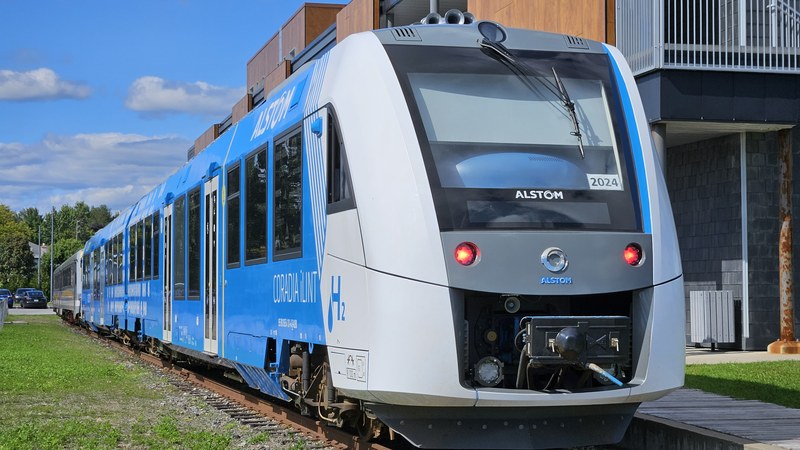
Transport Secretary Heidi Alexander issued a public apology for poor East Midlands Railway (EMR) services triggered by operational problems with the new Aurora (Class 810) trains. The broken service has resulted in delays, cancellations, and overcrowding since the Aurora fleet began operation in December 2025.
Timetable Reductions and Service Performance
EMR cut its Intercity timetable to 87% in July 2026, impacting routes between London St Pancras and destinations in the East Midlands. The reduction involved cancelling certain services and reducing carriages, leading to passenger delays and crowded trains. By September 1, EMR had restored service to 92% of the Intercity timetable, with plans to reach
96% by October 19, 2026.
Strike action by RMT union members, who represent EMR staff, has also disrupted services. Although 24-hour strikes planned for September 16 and 17 were called off after talks, ongoing “action short of strike” creates the potential for short-notice train alterations and cancellations.
Staff and Management Changes Linked to Aurora Issues
The difficulties with the Aurora trains coincided with the departure of EMR’s managing director. The issues include delayed delivery of the Class 810 trains by three years, maintenance challenges with the Aurora fleet and the older Class 222 trains maintained by Hitachi Rail, shortages of drivers and staff, and inconsistent performance undermining the
Intercity network.
EMR acknowledged the necessity of the temporary timetable reductions due to delayed rolling stock and ongoing maintenance struggles, apologizing for passenger disruption. Hitachi Rail, the manufacturer and maintainer of the fleet, remains engaged in supporting EMR to increase service levels.
Renationalisation Plans and Government Intentions
The core term of EMR’s contract with the Department for Transport (DfT) expires on Sunday, October 18, 2026, allowing the government to begin transferring the company into public ownership. The renationalisation is targeted for completion by the end of 2027.
Transport Secretary Alexander announced the location of new Great British Railways (GBR) headquarters in Derby during her visit
on October 15, 2026. GBR will take over all passenger services currently delivered under DfT contracts. The government aims to save £150 million annually by removing payments to private operators.
Alexander emphasized the renationalisation process is a gradual effort, requiring infrastructure investments and improvement of rolling stock. She stated, “I’ve always been clear that the renationalisation of the railways is not going to be a silver bullet that transforms things overnight.”
Service Impact and Official Responses
Passengers traveling on EMR’s Intercity routes have faced delays, cancellations, and overcrowding resulting from both the train performance issues and staff actions. The fluctuating timetable continues to affect journey
reliability.
Transport Secretary Heidi Alexander said, “I recognise people have received an unacceptable service this summer and I apologise for that. It’s not good enough.” She added the company must improve services before full public ownership begins.
An EMR spokesperson said the reduced timetable stemmed from the three-year delay in delivering the Class 810 trains and operational issues with the Aurora and Class 222 fleets. The statement acknowledged the impact on service consistency and confirmed ongoing collaboration with Hitachi Rail and the DfT to raise service levels back to normal.