India’s first bullet train project, the 508-km Mumbai-Ahmedabad High Speed Rail corridor, is delayed. Originally targeted for completion in 2022, the first operational segment from Surat to Vapi in Gujarat is now expected to open by December 2027, with the full corridor completed by 2029.
Delays have been caused by Covid-19 pandemic disruptions and difficulties with land acquisition. These issues have slowed civil works despite ongoing efforts along the route.
Japan’s Role and Shinkansen Train Timeline
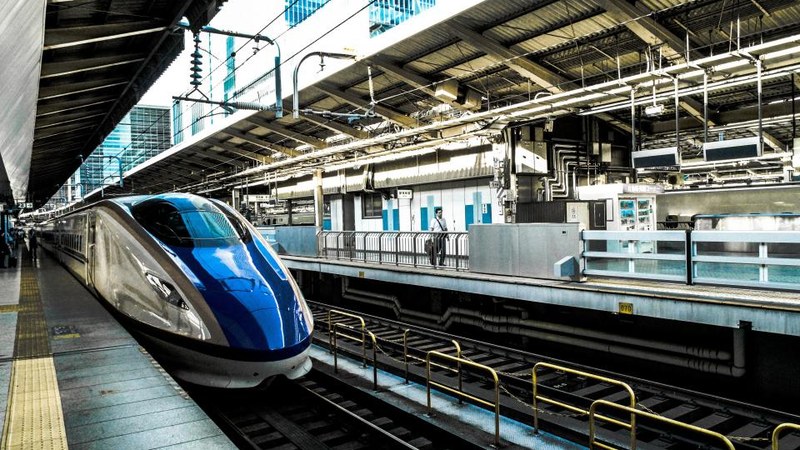
Japan has contributed technology and procurement expertise including the Shinkansen train design, signalling system, and the Operation Control Centre. The Japanese E10 Shinkansen train planned for the corridor remains under
development and is not expected before 2034. Japan has operated Shinkansen trains since 1964, accumulating 62 years of experience.
India’s Indigenous Train Development
India is now developing its own rolling stock, the B28 high-speed train, through BEML Bengaluru. This train has a design speed of 280 km/h and an expected operational speed around 250 km/h. Manufacturing of the B28 trainsets will be complete by April 2027, followed by testing from May to July 2027, with commercial operations aimed for December 2027.
The transition to Indian-developed rolling stock requires extensive testing, training, and expertise to ensure safe and reliable operation.
Diplomatic and Partnership Challenges
Japan-India cooperation has faced tensions
over project execution and delays. Hideki Makihara, former Japanese justice minister and Liberal Democratic Party member, criticized India’s handling of the project as “sheer recklessness” in July 2026.
Project Complexity and Official Statements
Masafumi Shukuri, chairman of the International High-Speed Rail Association (IHRA) and Japan Transport and Tourism Research Institute (JTTRI), who has been associated with the project since 2014, emphasized the challenges. He noted that even Japan could not complete a 500-km high-speed rail line within 10 years today.
Considering Covid-19 challenges and land acquisition difficulties, Shukuri stated the project is progressing strongly. He stressed the need for extensive training and testing of Indian-developed
trains to operate safely and reliably.
Shukuri said, “Now, let’s just say today Japan decides to make a high-speed rail track of 500km. It is not possible to complete it in 10 years. Even today Japan cannot do it… I think from this perspective, given the different conditions, building a high-speed rail of 500 km long in India is a big deal.”