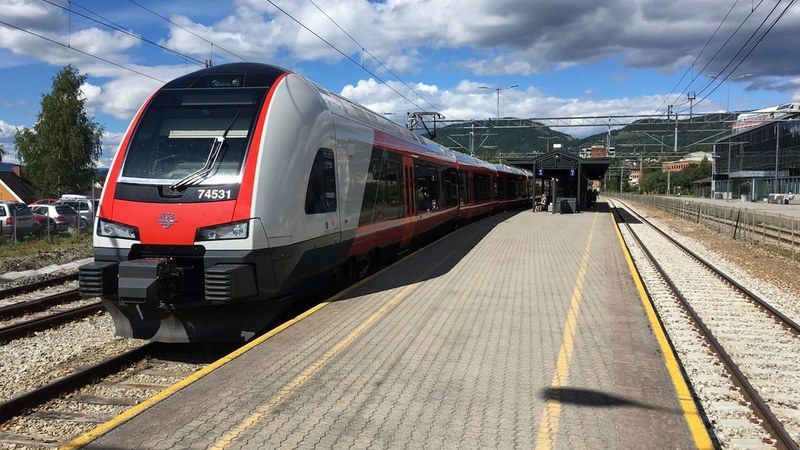
Morocco is advancing plans to connect the Al Boraq high-speed railway to Casablanca Mohammed V International Airport with a dedicated underground terminal, projected to be operational by 2029. The airport’s terminal expansion, budgeted at MAD 15 billion, will add capacity for 20 million passengers annually, raising the total to 35 million in line with the Airports 2030 master plan.
Al Boraq High-Speed Rail Connection Details
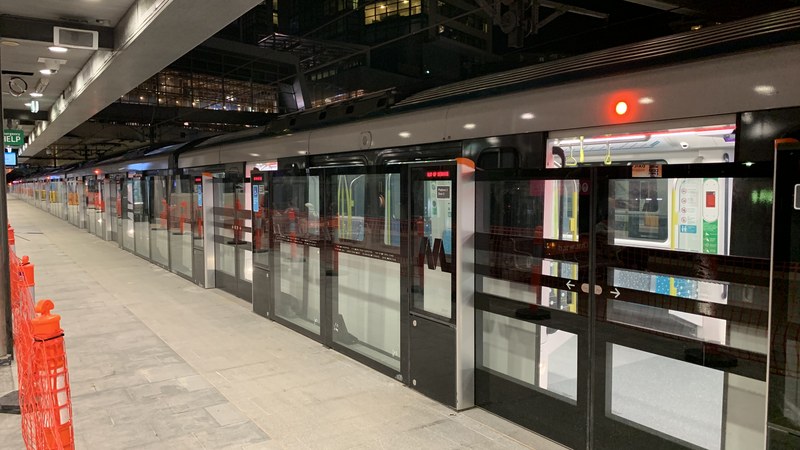
The new infrastructure will serve as an underground station on the Al Boraq network, linking Casablanca airport with major cities. Journey times are forecasted at 35 minutes from Rabat and approximately 55 minutes from Marrakech. This rail link aims to integrate
Morocco’s central and Atlantic rail corridors with intercontinental flight operations at Casablanca Mohammed V Airport, a key intercontinental hub under the Airports 2030 initiative.
Legal and Contractual Challenges in Air-Rail Integration
A significant legal precedent arose in May 2019 when the Commercial Court of Rabat ordered ONCF (National Railways Office) to compensate MAD 50,000 to a passenger who missed an international connection due to train delays. This case highlighted the risk passengers face under separate train and flight contracts, as no formal unified ticketing product currently exists between ONCF, Royal Air Maroc (RAM), and the National Airports Office (ONDA). Without integrated bookings, travelers bear additional costs when
disruptions occur.
European Comparisons and Operational Coordination
Morocco’s integration efforts are informed by European models such as Air France’s Train + Air and Lufthansa’s Express Rail, which offer automatic passenger rebooking in case of delays or cancellations. These models deliver guaranteed journey continuity supported by airline commitments aligning with International Air Transport Association standards, features still absent in Morocco’s commercial frameworks among RAM, ONCF, and ONDA.
Timetable Synchronization and Contingency Planning
Effective intermodal service requires synchronized timetables that allow secure time for check-in, customs, and security processes before flights. Aligning train arrivals with flight departure banks is critical to avoid missed connections. Moreover, rapid contingency protocols compliant with International Civil
Aviation Organization standards must address operational disruptions such as power or signal failures and flight schedule changes.
Royal Air Maroc Fleet Expansion and Transport Context
Royal Air Maroc plans to expand its fleet to 200 aircraft between 2023 and 2037, reinforcing Casablanca as a major intercontinental gateway linking Africa, Europe, and the Americas. This expansion supports strategic goals linked to the 2030 FIFA World Cup. While the high-speed rail will supplement transport capacity, existing regional air routes targeting underserved southern provinces and remote areas will continue operation.
Passenger Benefits and Outstanding Integration Issues
A seamless air-rail single ticket would enable travelers to book connected journeys combining high-speed rail and flights, with automatic rebooking protections
against delays. Currently, separate ticketing exposes passengers to financial risks when train delays cause missed flights. The integration framework requires legal and operational agreements between RAM, ONCF, and ONDA, including intermodal cost-sharing arrangements, to prevent liability ring-fencing and provide consumer protections.
Though automatic through-check baggage handling between trains and planes is not yet implemented, the primary focus remains on establishing unified contracts ensuring passenger rights. The success of Morocco’s transport integration will be measured by the percentage of passengers completing combined itineraries without missed connections, benefiting from rebooking guarantees that eliminate additional costs from operational failures.