A powerful nor’easter swept the US East Coast on September 28, 2026, generating heavy winds, intense rainfall, flooding, and hazardous sea conditions stretching from North Carolina through New England. The storm inflicted widespread disruption along the Atlantic coastline, affecting cities and coastal communities over several states.
Flight Disruptions at Major Airports
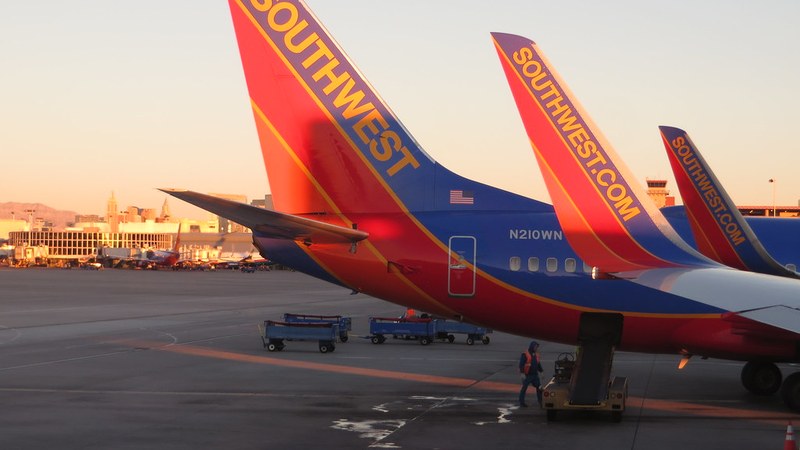
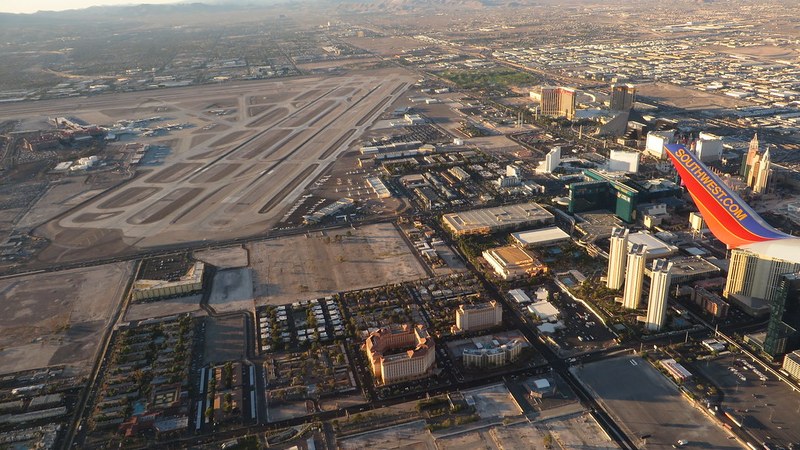
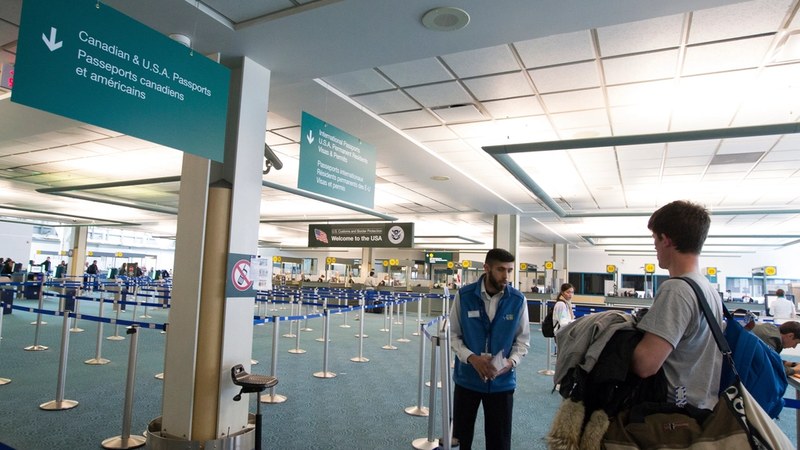
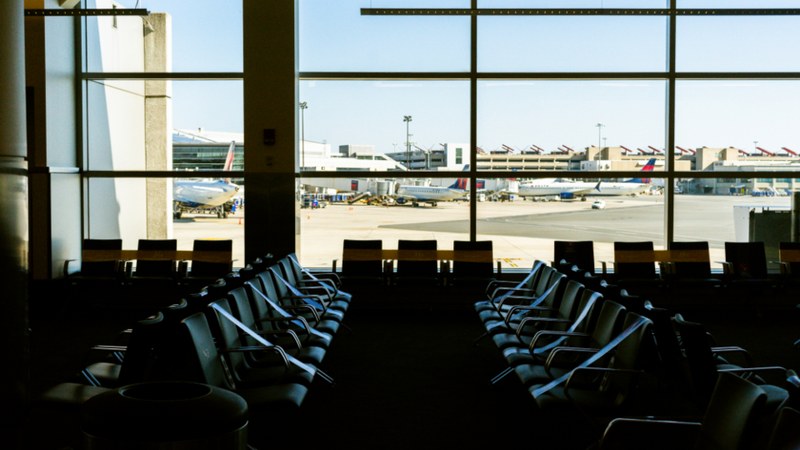
The storm prompted over 430 flight cancellations and more than 3,000 delays across the United States, according to FlightAware data. Boston Logan Airport experienced 271 cancellations and 217 delays by 12:30 pm ET on September 27. New York’s LaGuardia Airport reported near 600 delays and 58 cancellations in the same timeframe, while John F.
Kennedy International Airport had 154 delays and 17 cancellations.
Emergency Declarations and Fatality in New York
Governor Kathy Hochul declared states of emergency in eight New York City counties including Bronx, Brooklyn, Nassau, Manhattan, Queens, Staten Island, Suffolk, and Westchester. Brooklyn witnessed a fatal incident when a 56-year-old New York City Housing Authority employee was struck by a falling tree and died after being taken to Brookdale University Hospital. In Queens, high winds toppled trees and power lines in Glendale, resulting in road closures and evacuation of a nearby building by the New York City Fire Department.
Causes of Travel and Infrastructure Disruptions
The nor’easter’s combination of strong winds and saturated soil led
to numerous fallen trees and downed power lines, causing extensive roadway blockages and widespread electricity outages affecting tens of thousands of homes and businesses. Flight operations were hampered by high winds, heavy rain, and low visibility, complicating runway activities and cascading delays across interconnected airport systems.
Traveler and Community Impact
Flight delays averaged around four hours at Boston Logan, severely impacting air travel mobility. Evacuations in Queens were conducted as a precaution due to electrical hazards from fallen power infrastructure. Road travel was impeded by blocked routes and power outages, while advisories discouraged residents from accessing shorelines and flood-prone coastal zones amid ongoing water
level fluctuations.
Coastal flooding persisted beyond the wind’s peak due to cyclic tides combined with storm surge and onshore winds, maintaining hazardous conditions from Virginia to New England. Boston and other New England regions endured stormy seas, dangerous rip currents, and moderate to major coastal flooding, with water levels rising during successive tidal cycles.
Governor Hochul’s emergency declarations and the Federal Aviation Administration’s recommendations for travelers to confirm flight status with airlines aimed to mitigate risks and ensure public safety during the extended period of severe weather and its aftermath along the East Coast.